
Small diesel generators
Homes, workshops, small offices and mobile or site sets. We still run a full diesel diagnosis: battery, fuel and shutdowns.
Open 24/7 · We arrive within 1 hour across Gauteng · Established 2000
Diesel generator specialists
Diesel generator won't start, losing power under load or shutting down on temperature? ProService Generator Repairs repairs diesel standby, commercial and industrial generators on site in Johannesburg, Pretoria and across Gauteng. We are open 24/7, arrive within 1 hour for breakdowns, and give you a written quote before work and a 1-year workmanship guarantee after it.
Callout fee waived when you accept our written quote. 1-year workmanship guarantee. See prices
Choose your make to see the faults we fix most often on it, what we check and what to send before we arrive. Honda generators are petrol sets, so you will find them under Honda petrol generator repairs. Bundu Power canopied and silent diesel sets are covered on the Bundu Power generator repairs page.
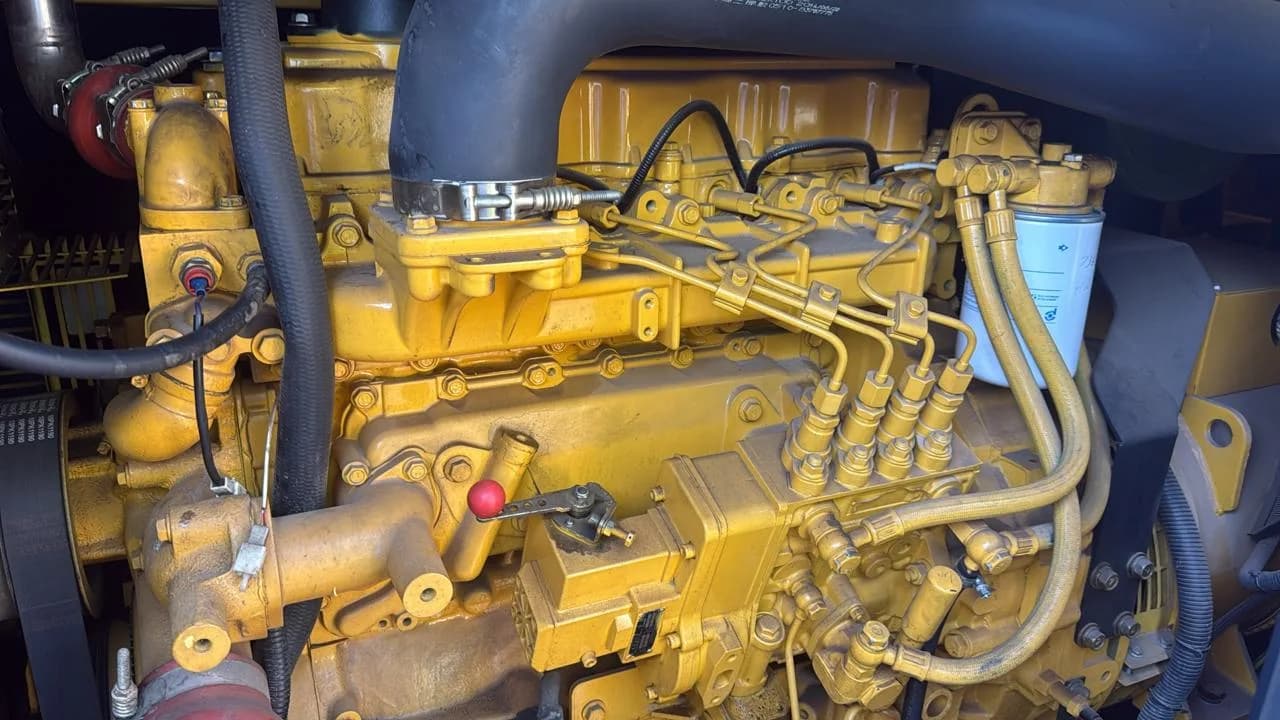
Standby and commercial Cummins diesel sets: no-starts, fuel delivery, cooling and output faults.
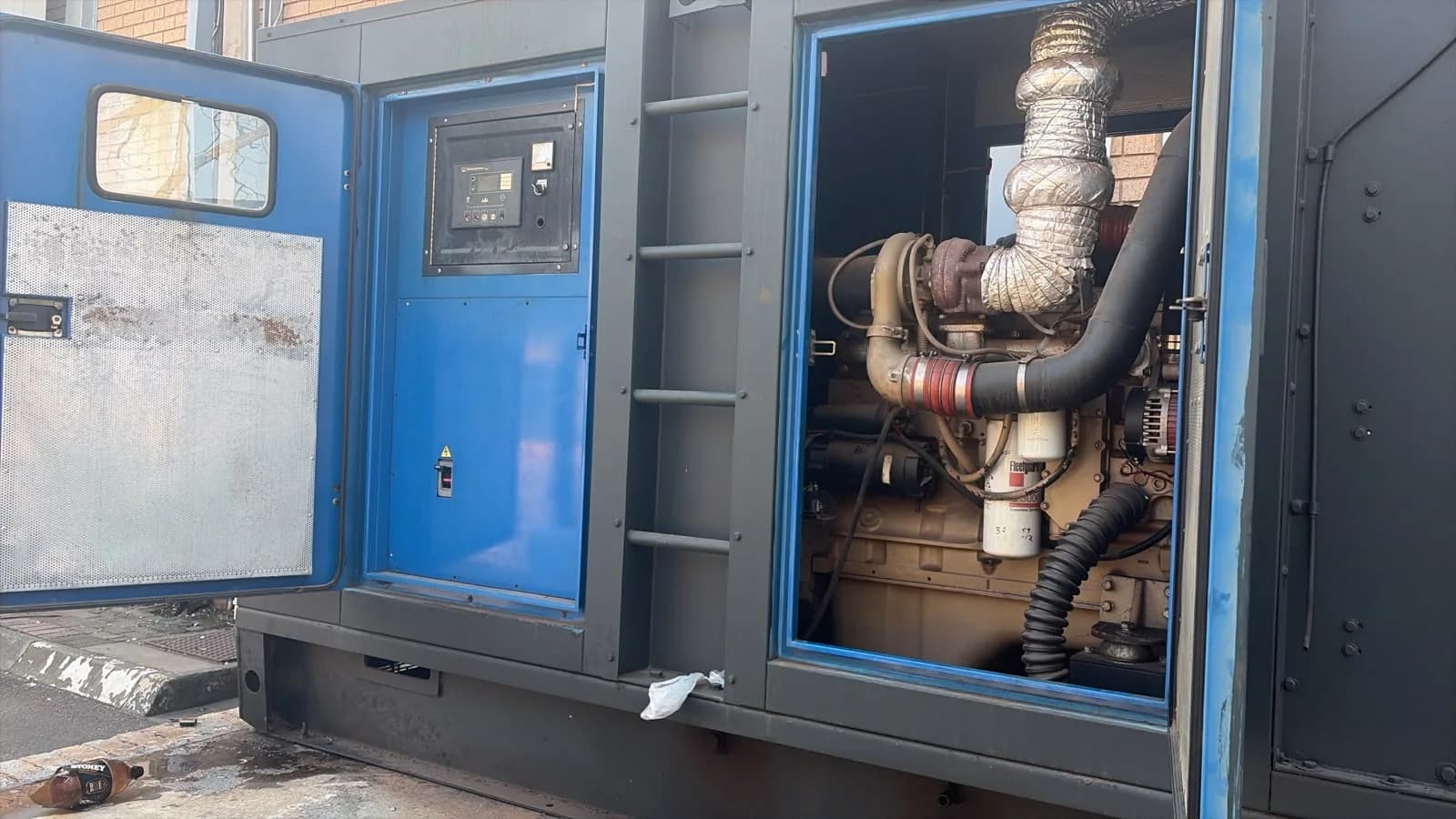
Perkins-powered sets: filters, lift pumps, injectors and no-start diagnosis.
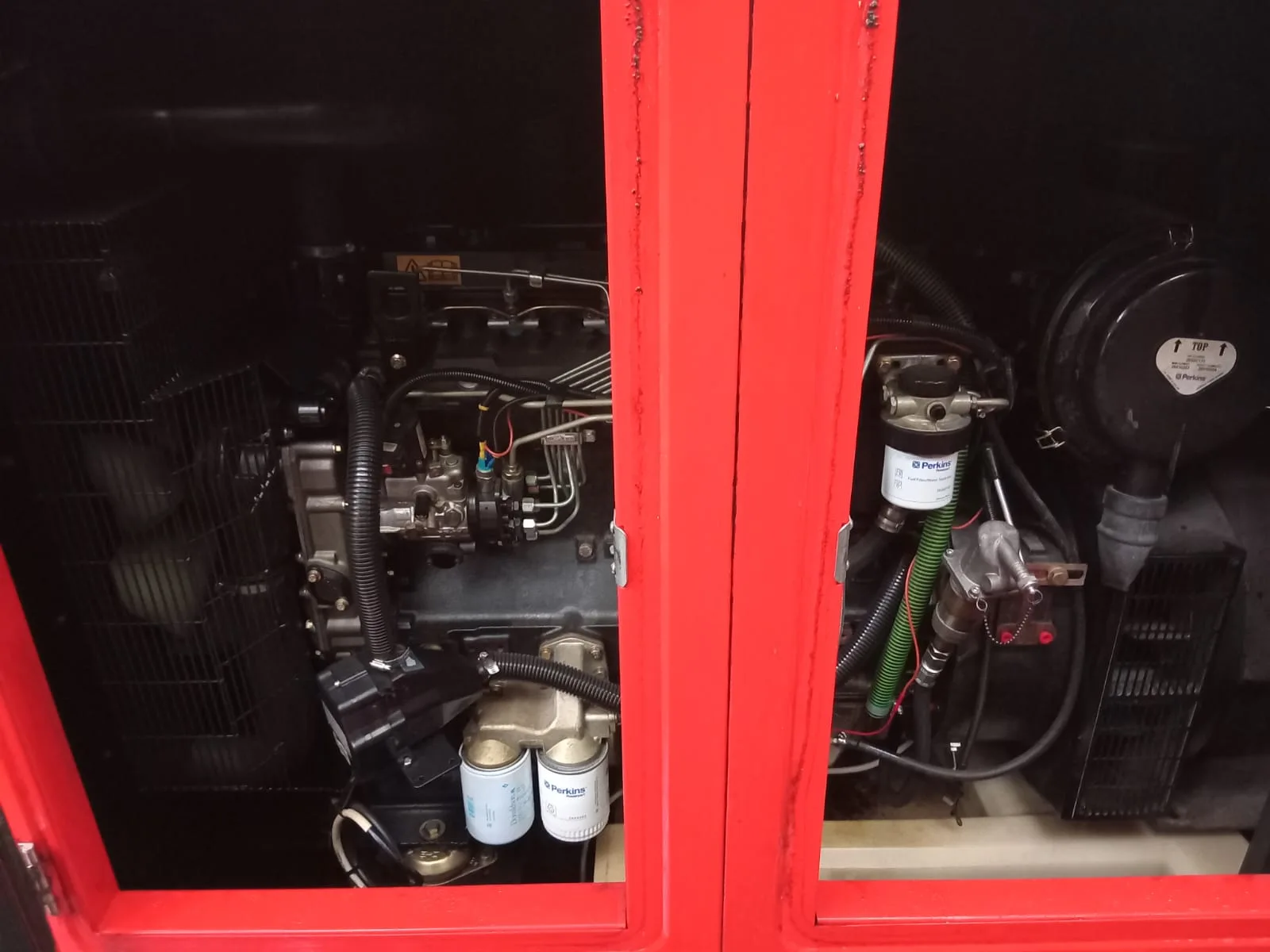
CAT and Caterpillar standby sets: starting, fuel, cooling and planned maintenance.
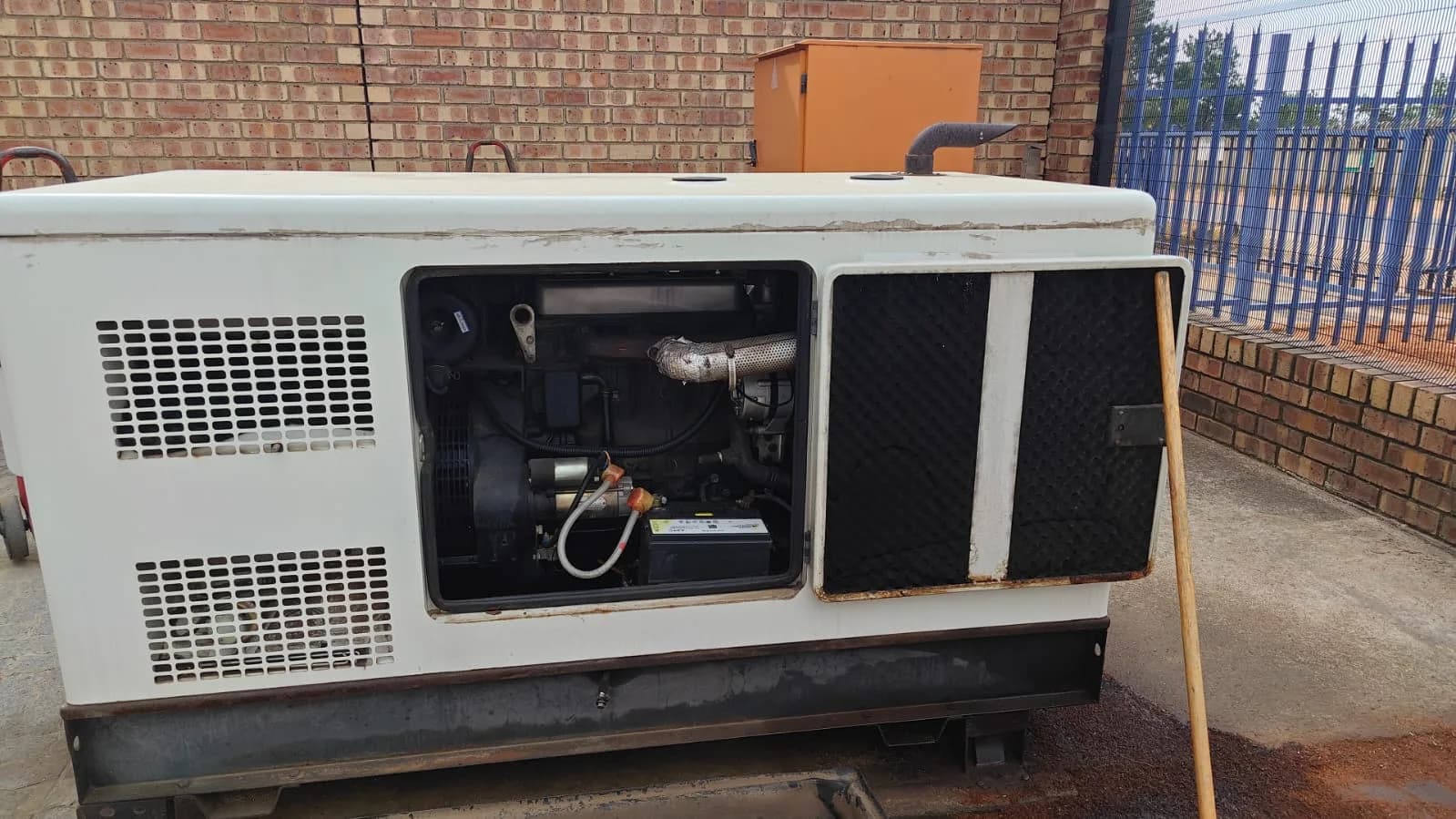
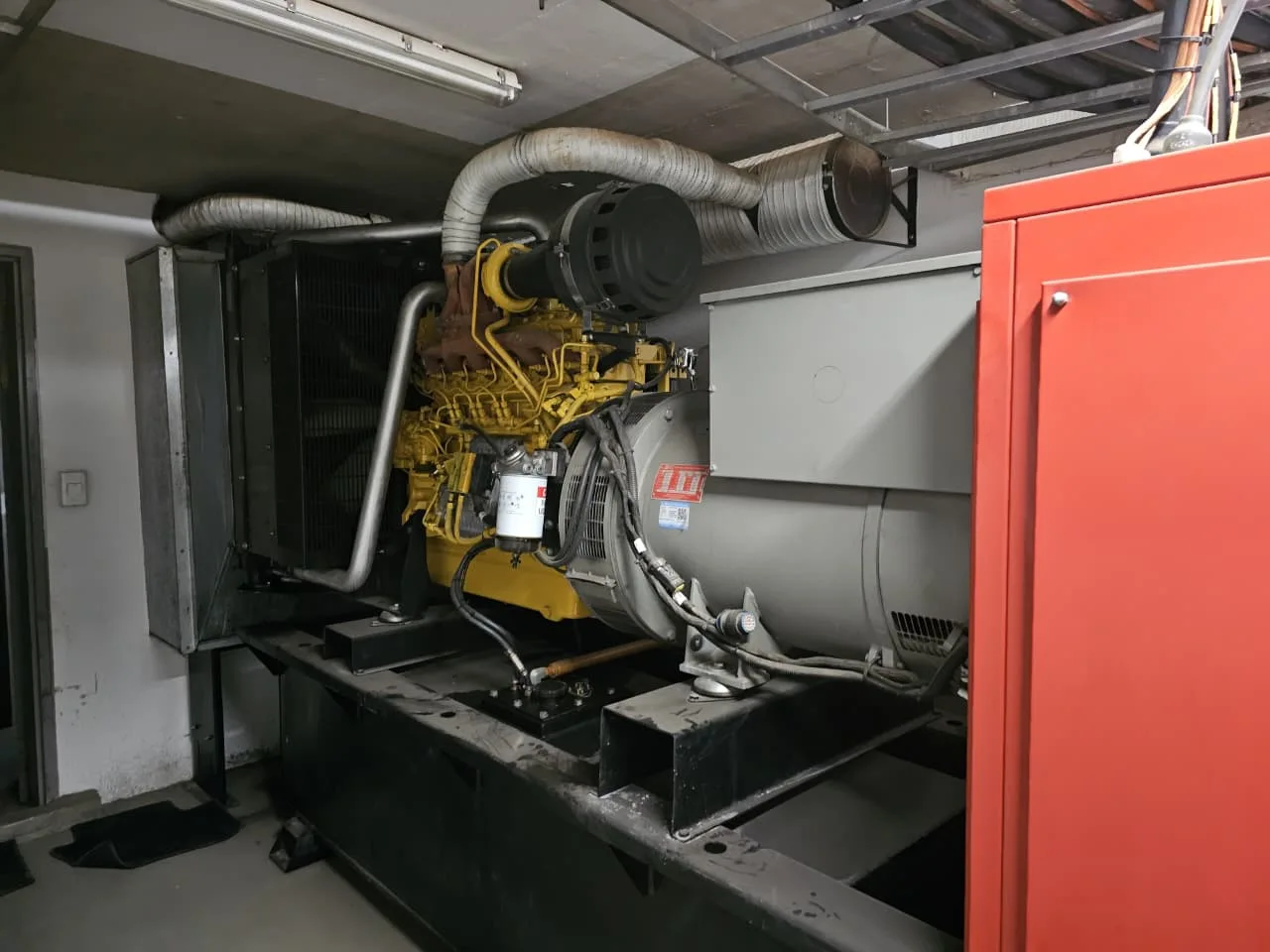
Deutz diesel engines in generator sets: hard starting, fuel delivery and cooling.
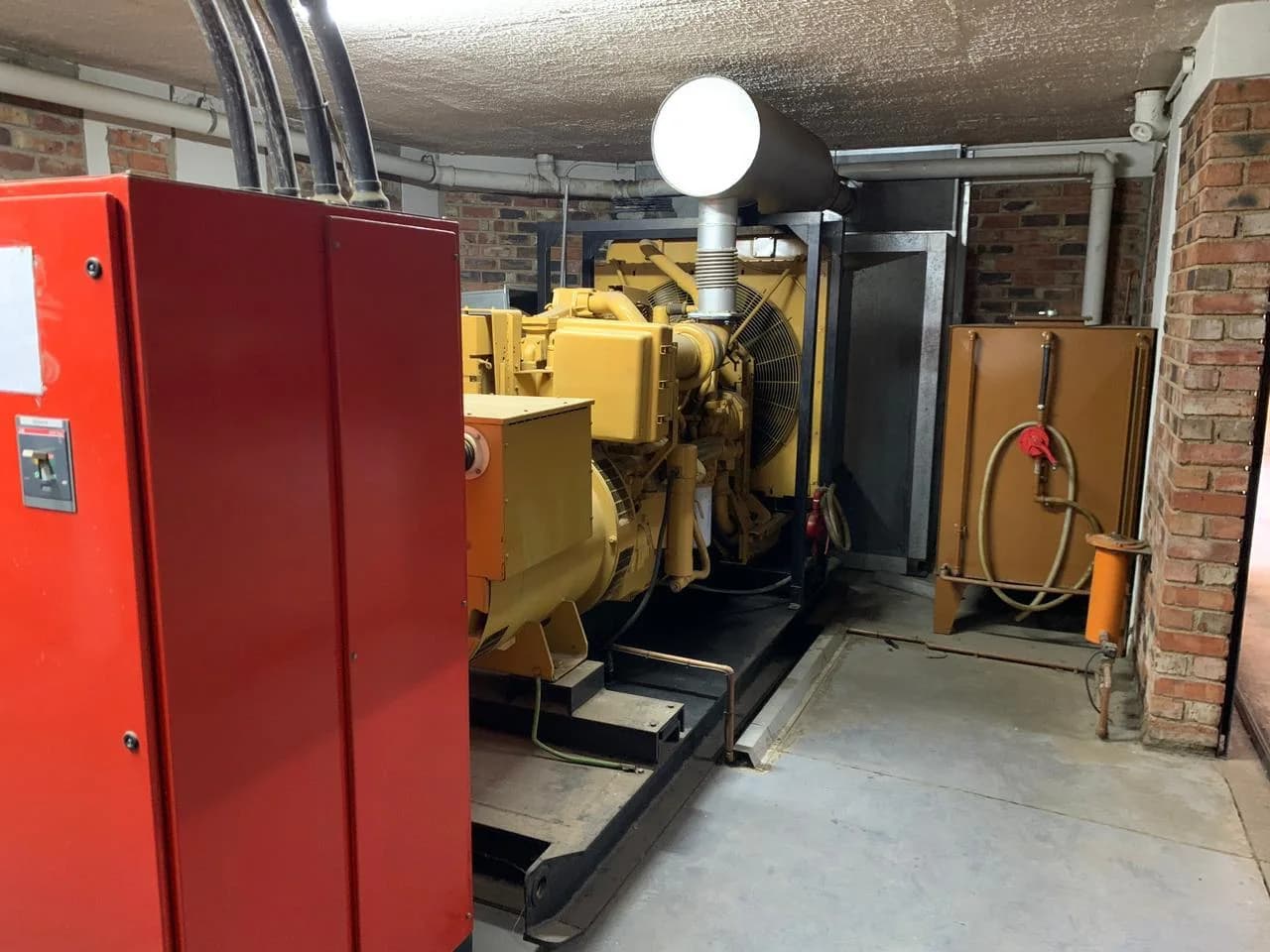
Volvo Penta standby engines: fuel, cooling, controllers and electrical output.
John Deere diesel engines in commercial generator sets.
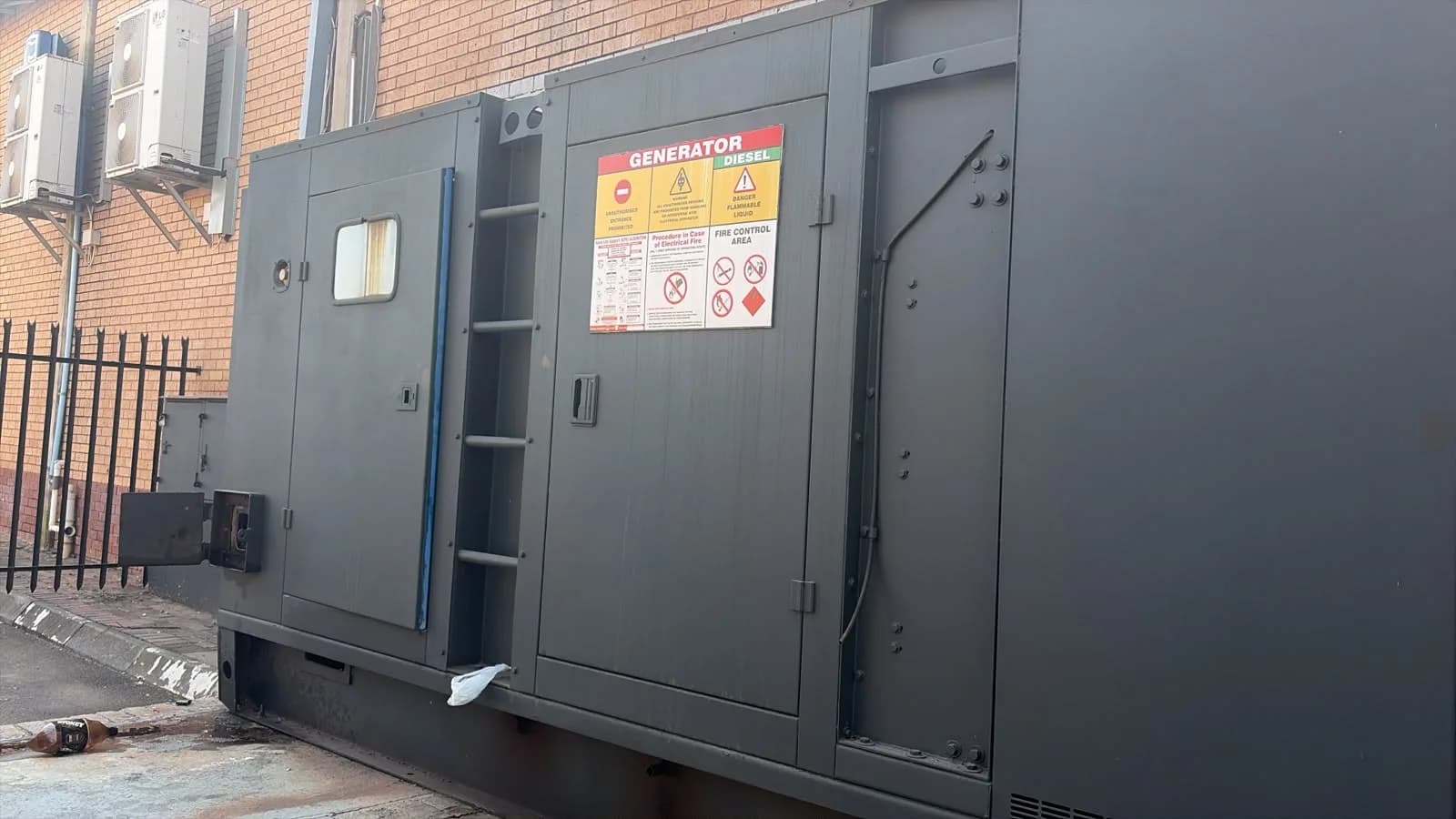
FG Wilson and Wilson standby sets: engine, controller, battery and ATS.
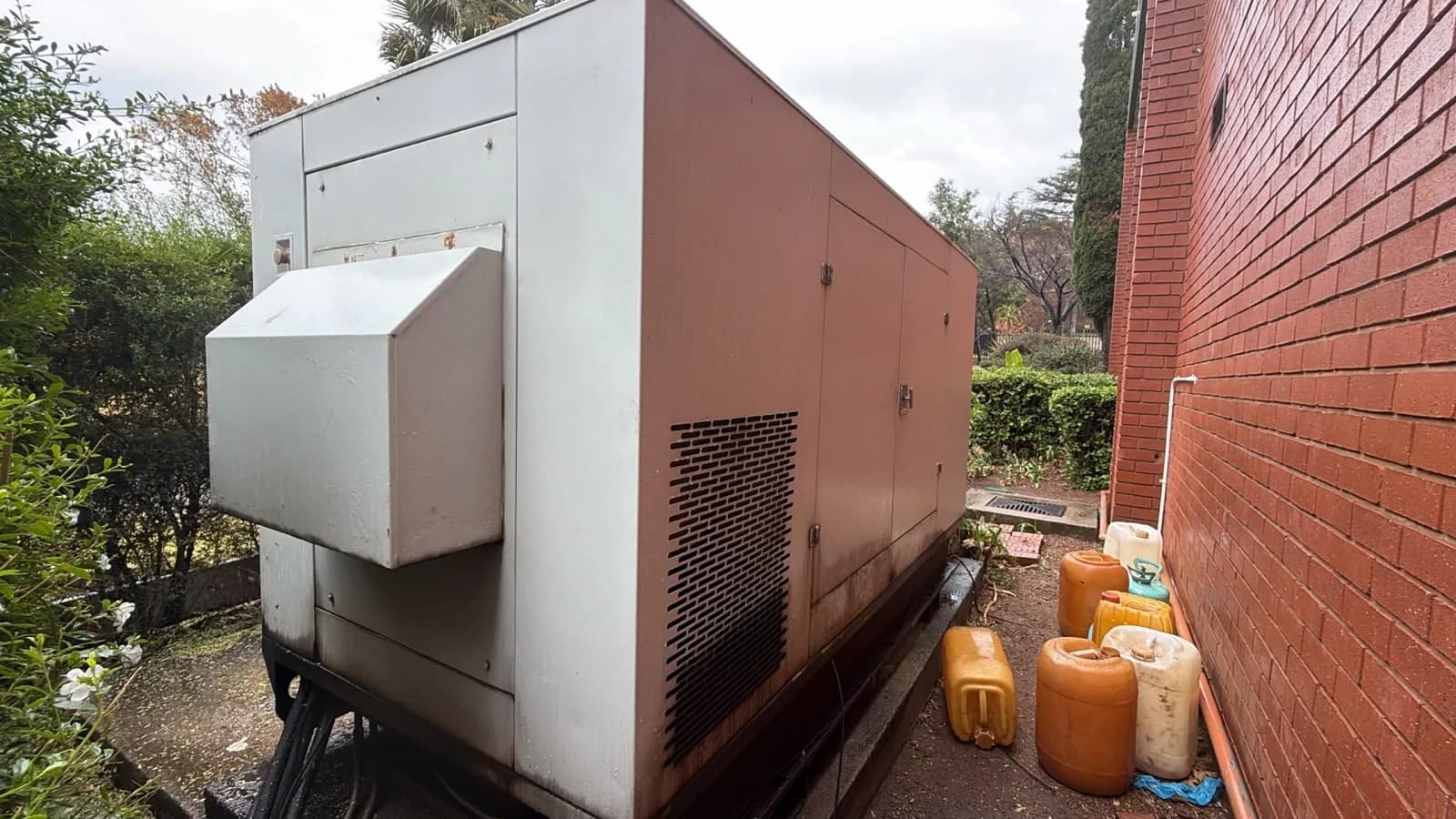
Olympian standby and commercial canopy sets, old and new.
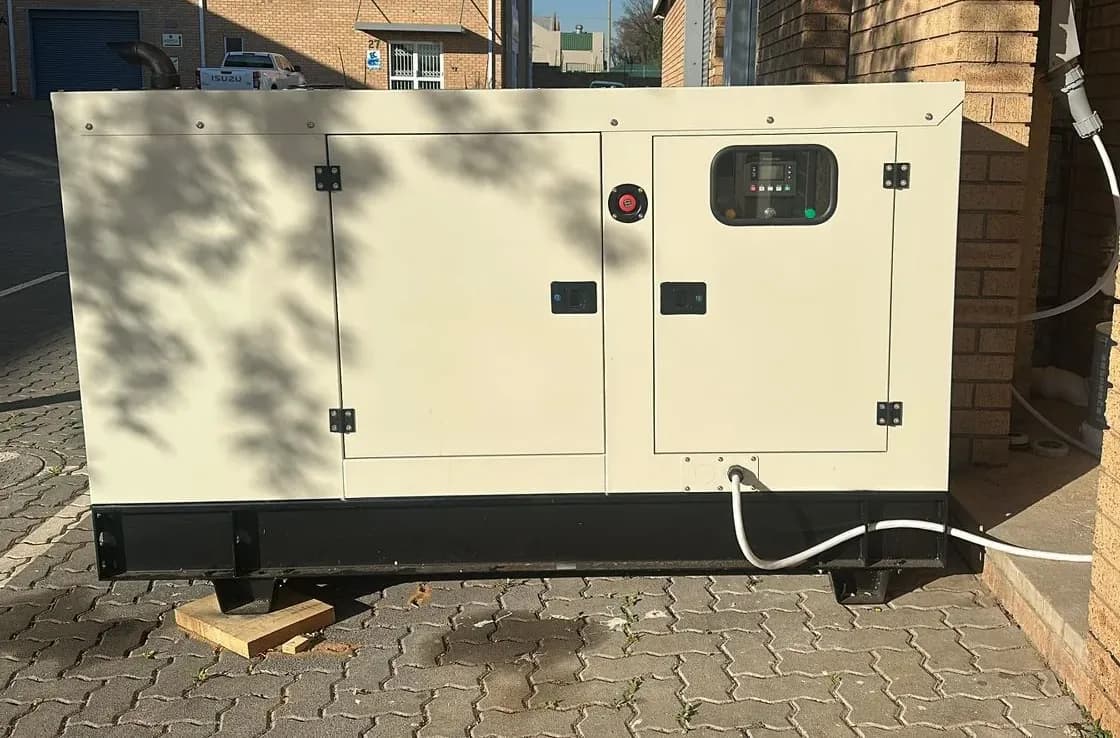
Kohler diesel standby sets: starting, fuel, transfer and output faults.
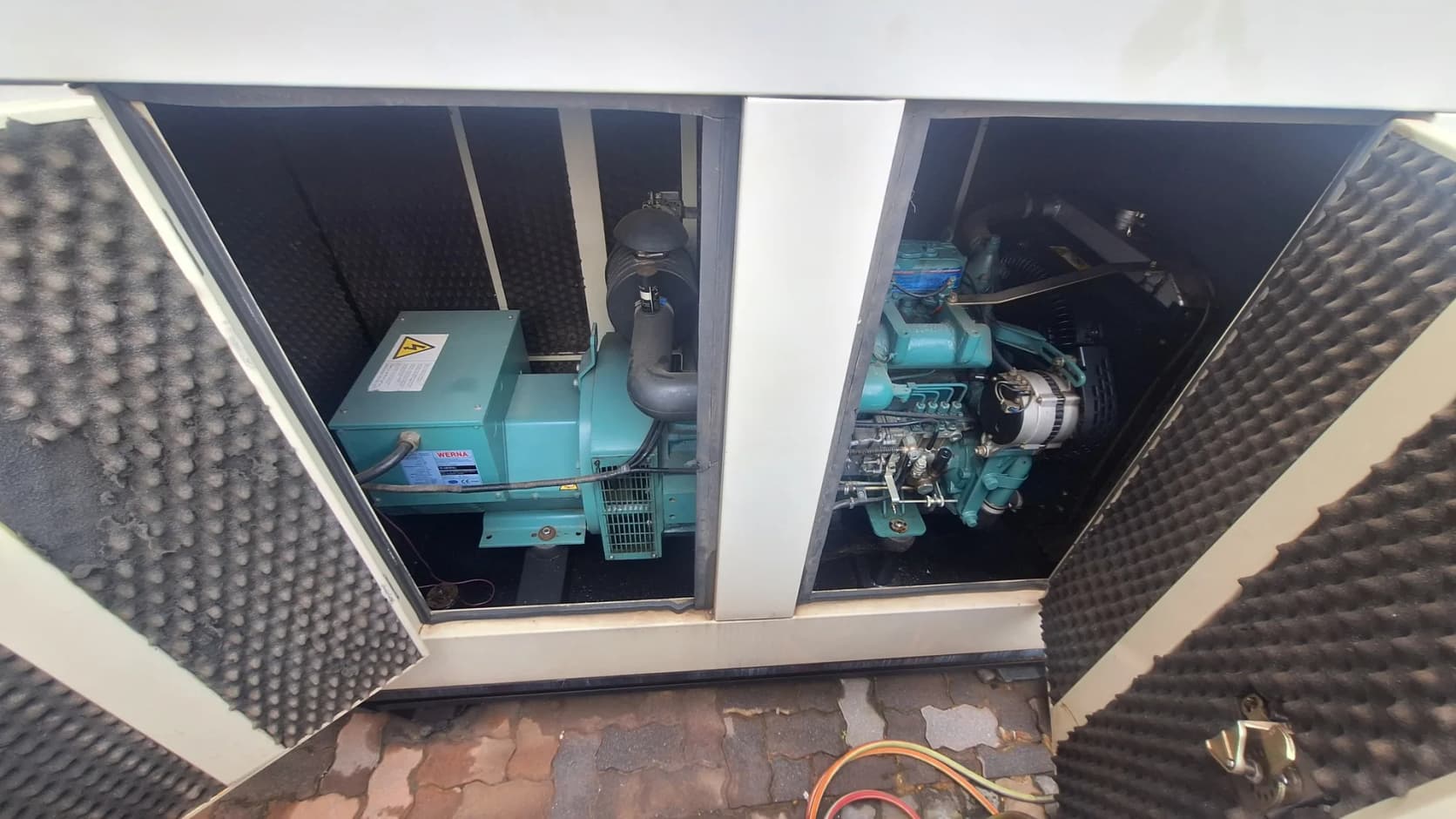
SDMO and Kohler-SDMO standby systems: controllers, ATS and fuel.
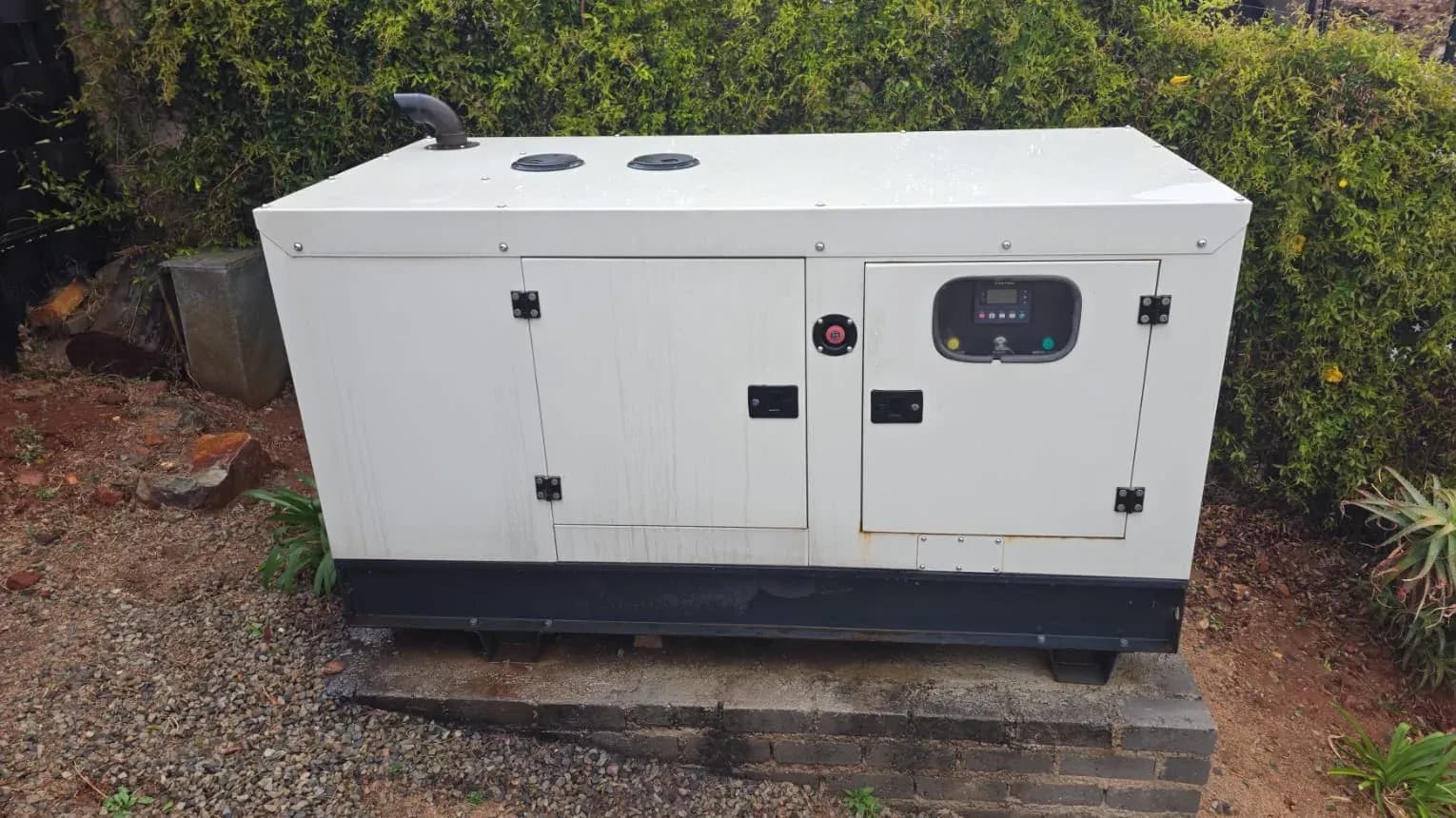
Generac diesel standby and commercial canopy sets.
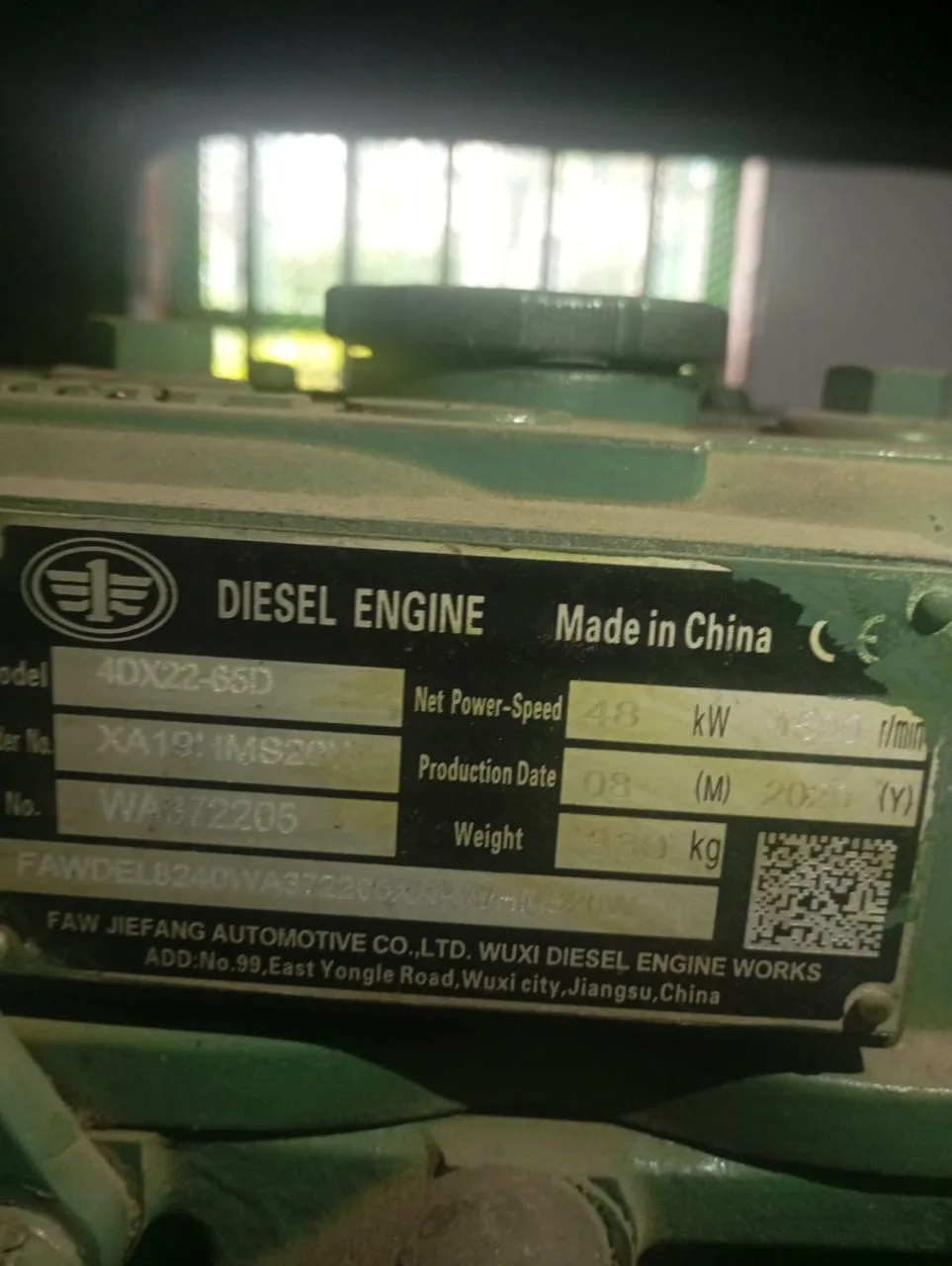
FAW and FAWDE diesel generator sets for commercial standby.
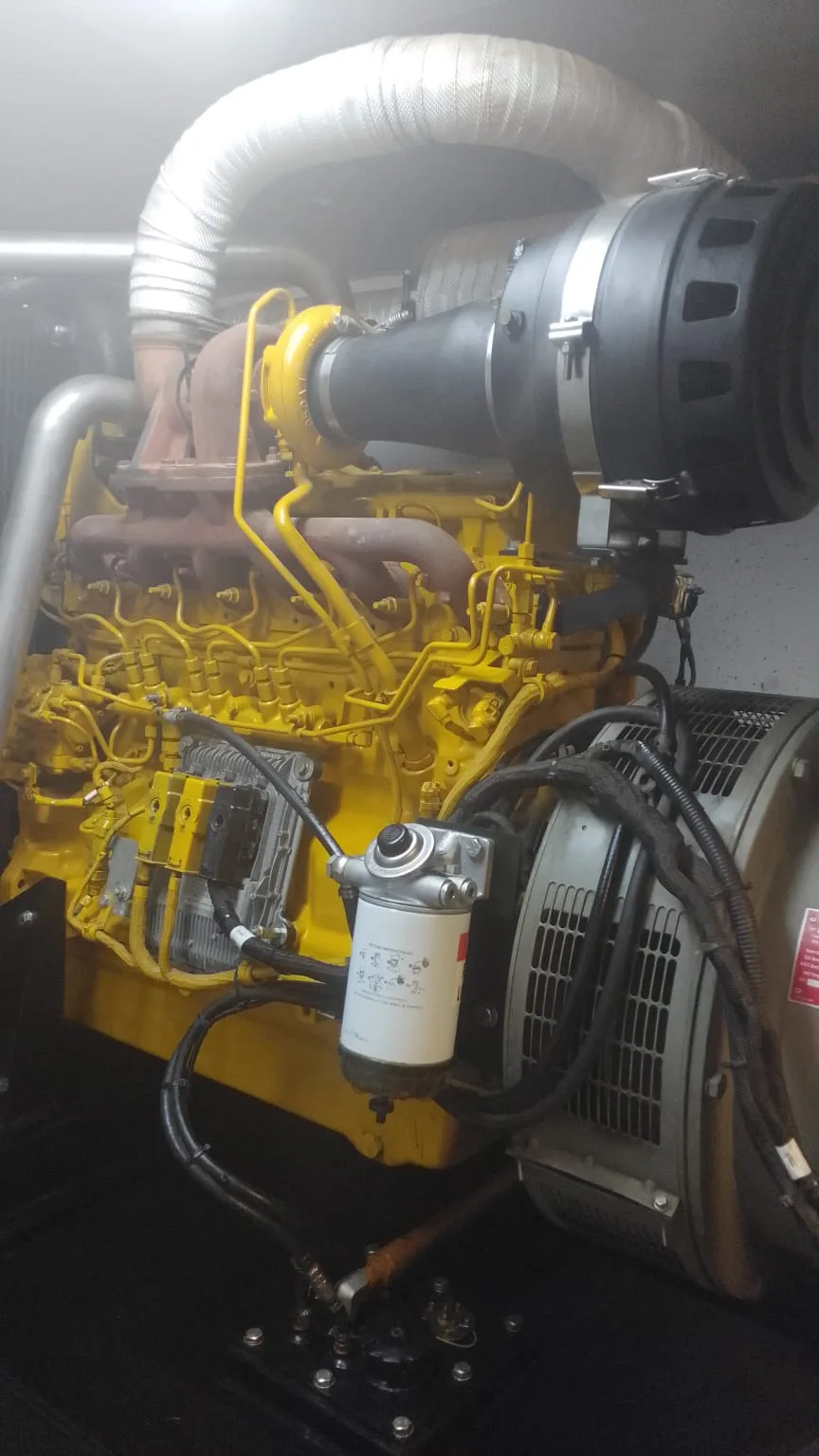
Larger Scania diesel standby and industrial generator sets.
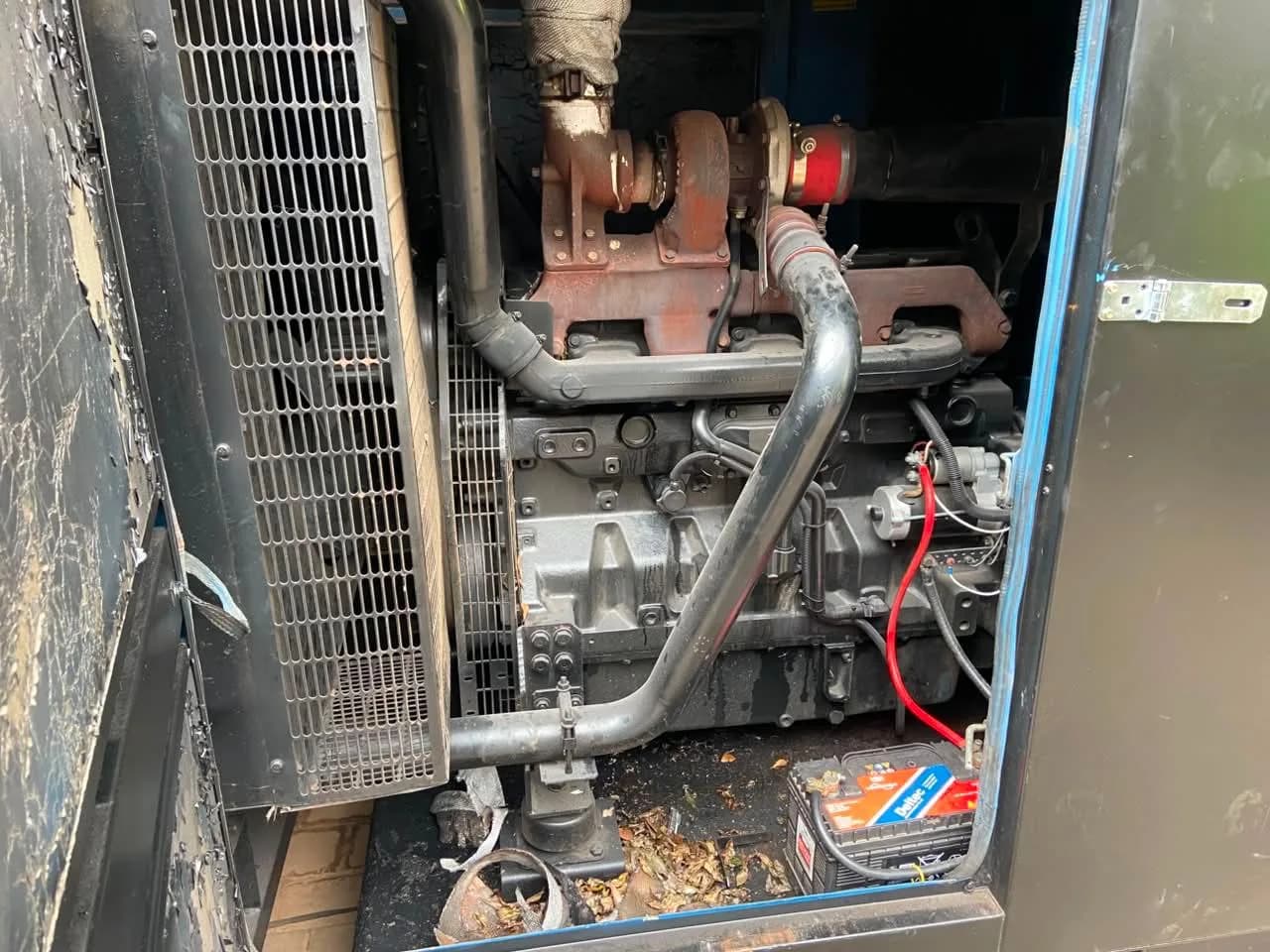
Baudouin engines in commercial and industrial generator sets.
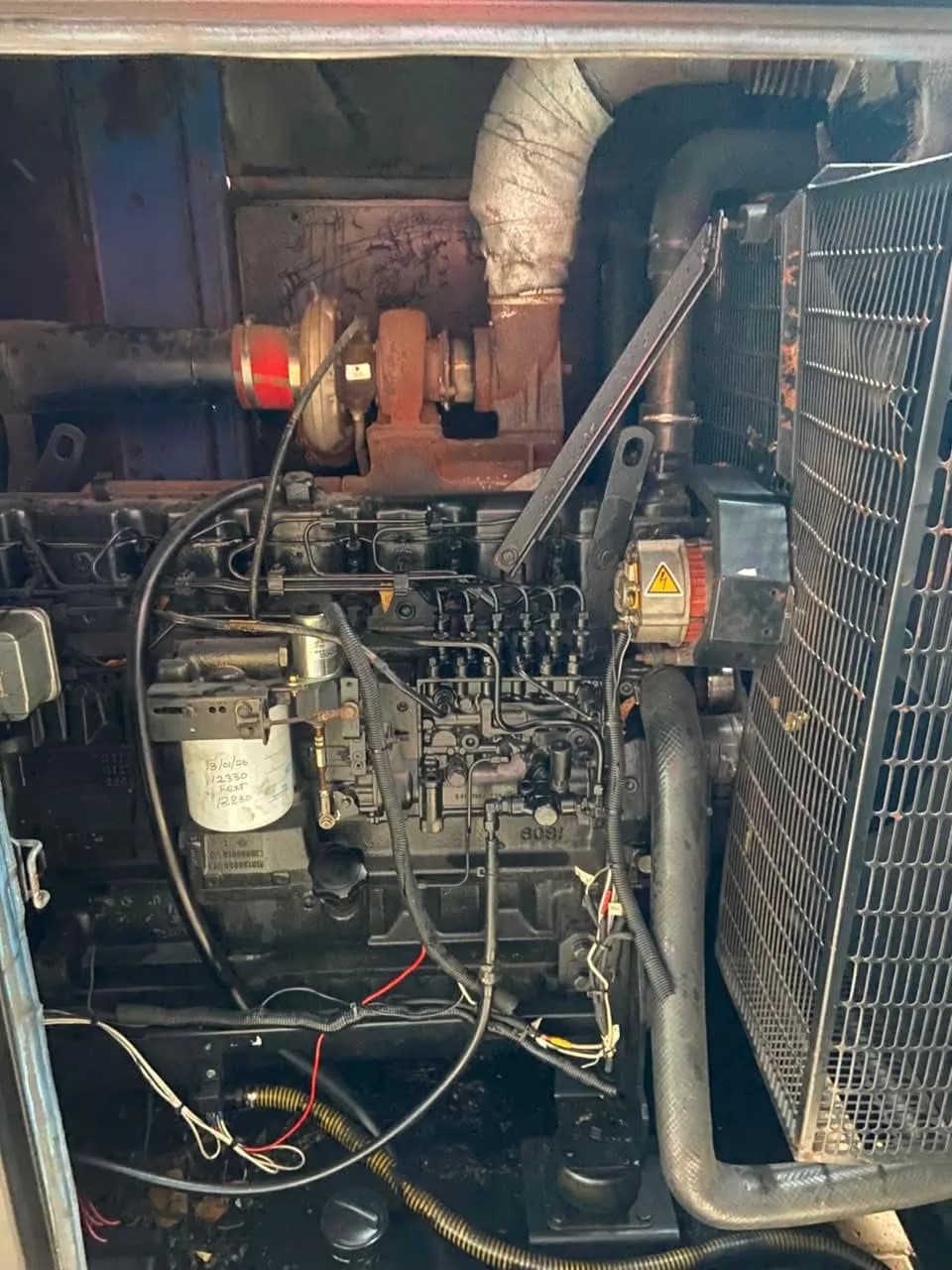
Doosan diesel standby generators: starting, fuel, cooling and output.
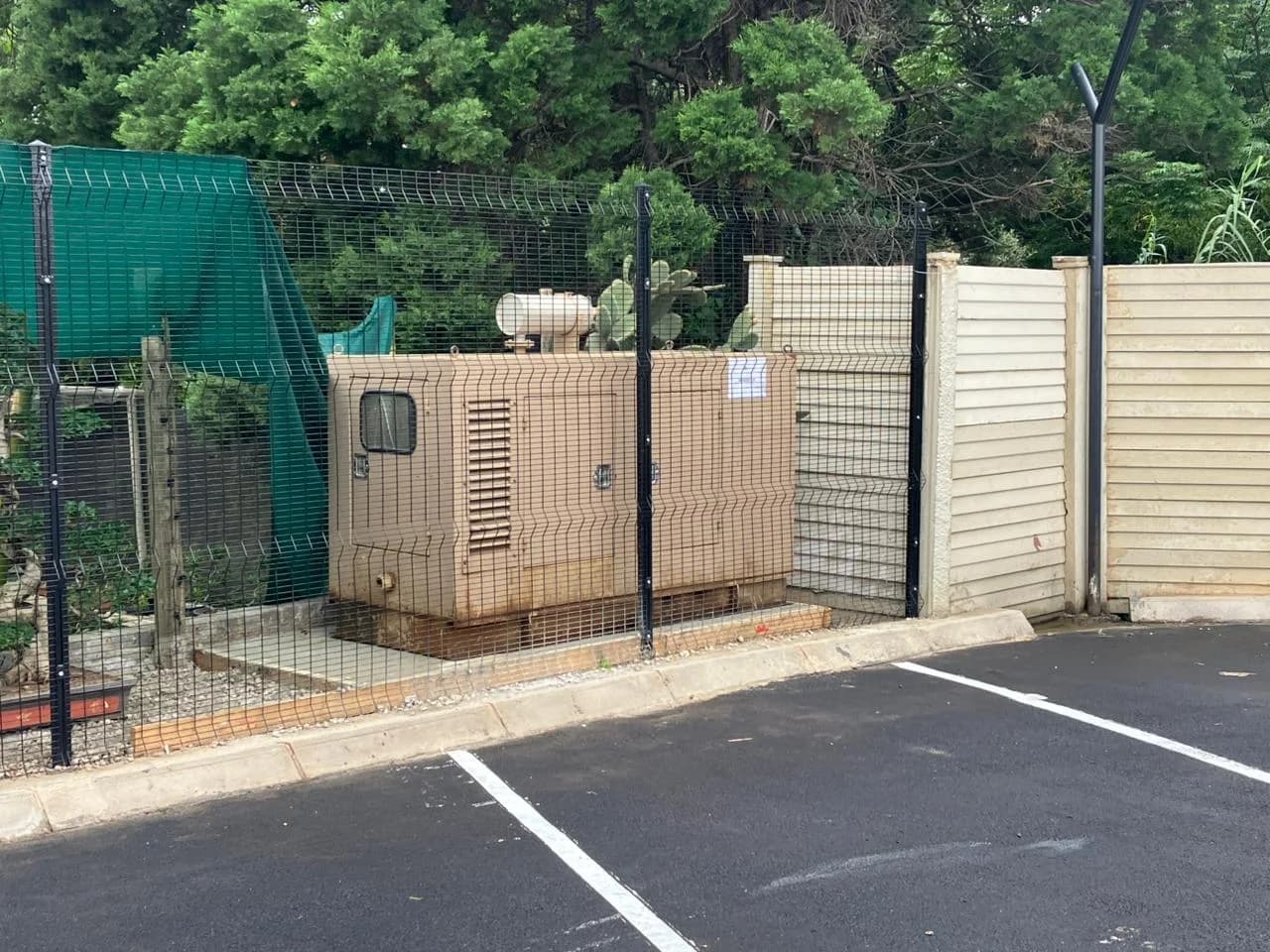
Mitsubishi diesel generator engines: no-start, fuel, batteries and cooling.
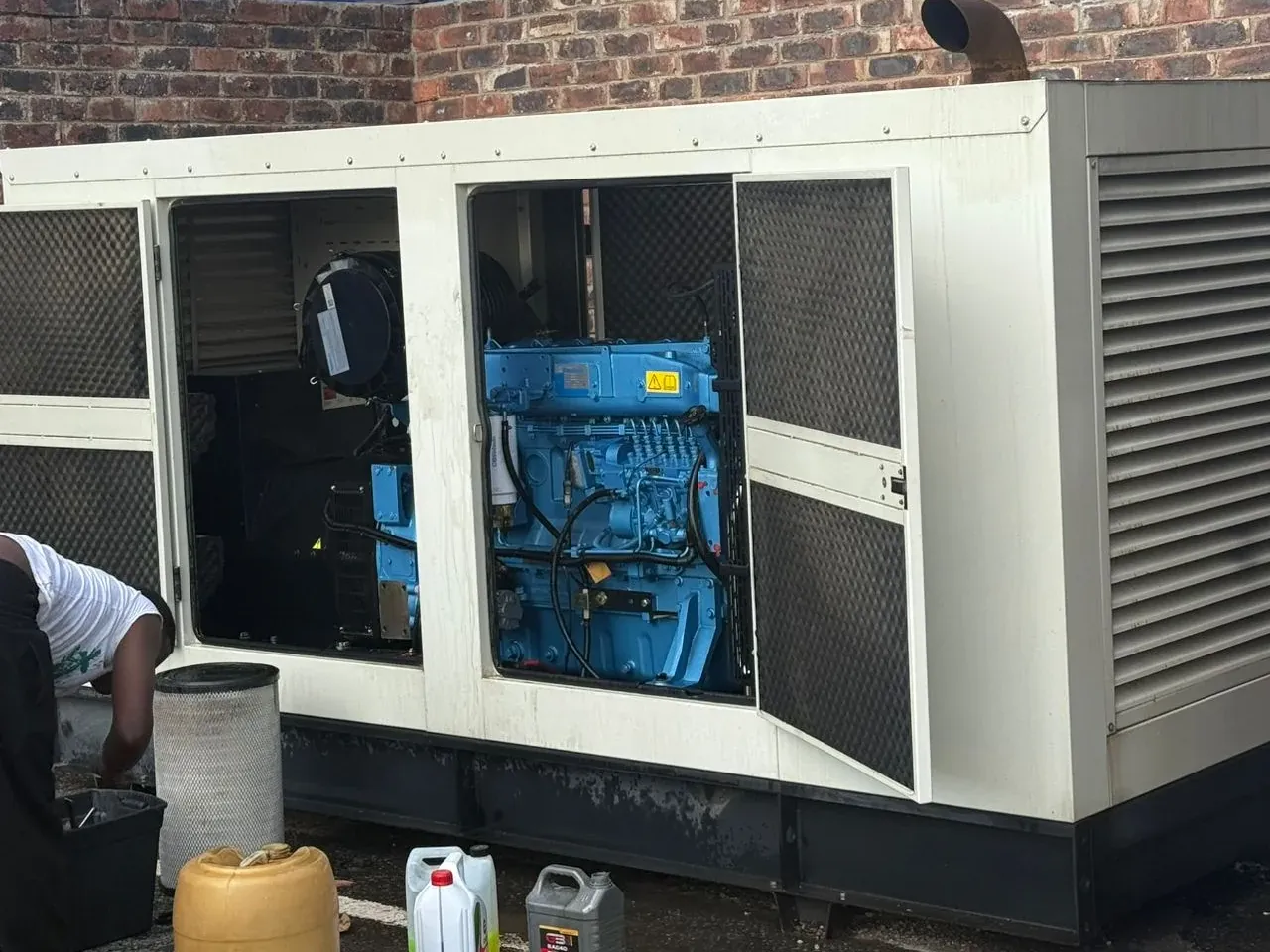
Larger MTU diesel generator sets for industrial and critical standby.
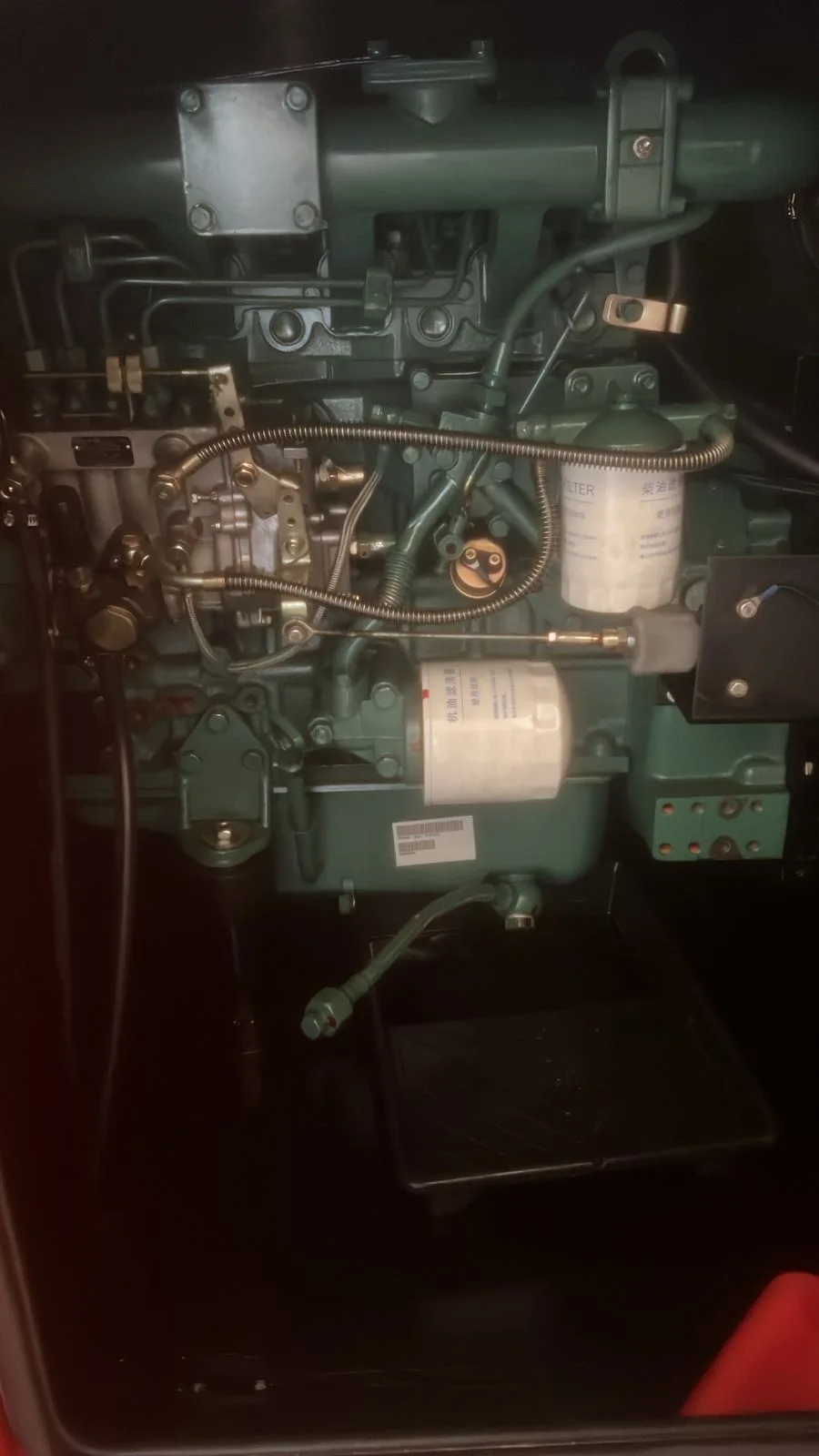
Compact and medium Yanmar diesel generator sets.
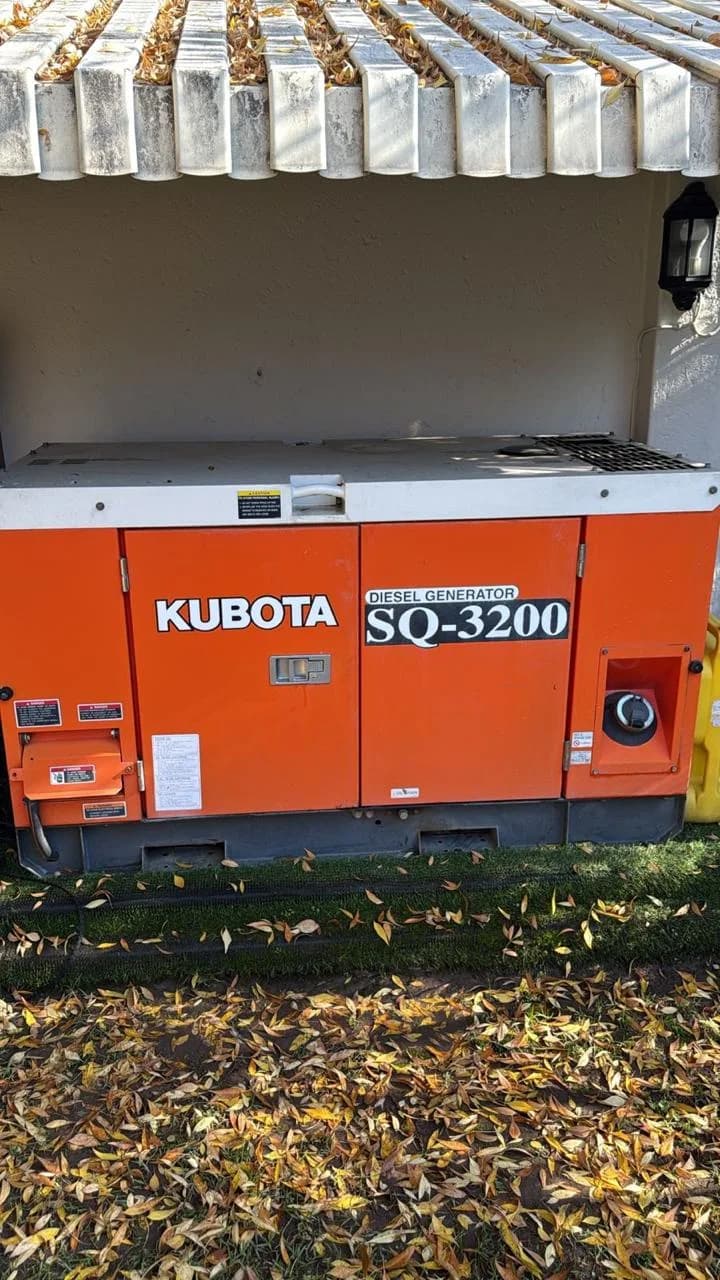
Compact and medium Kubota diesel generator sets.
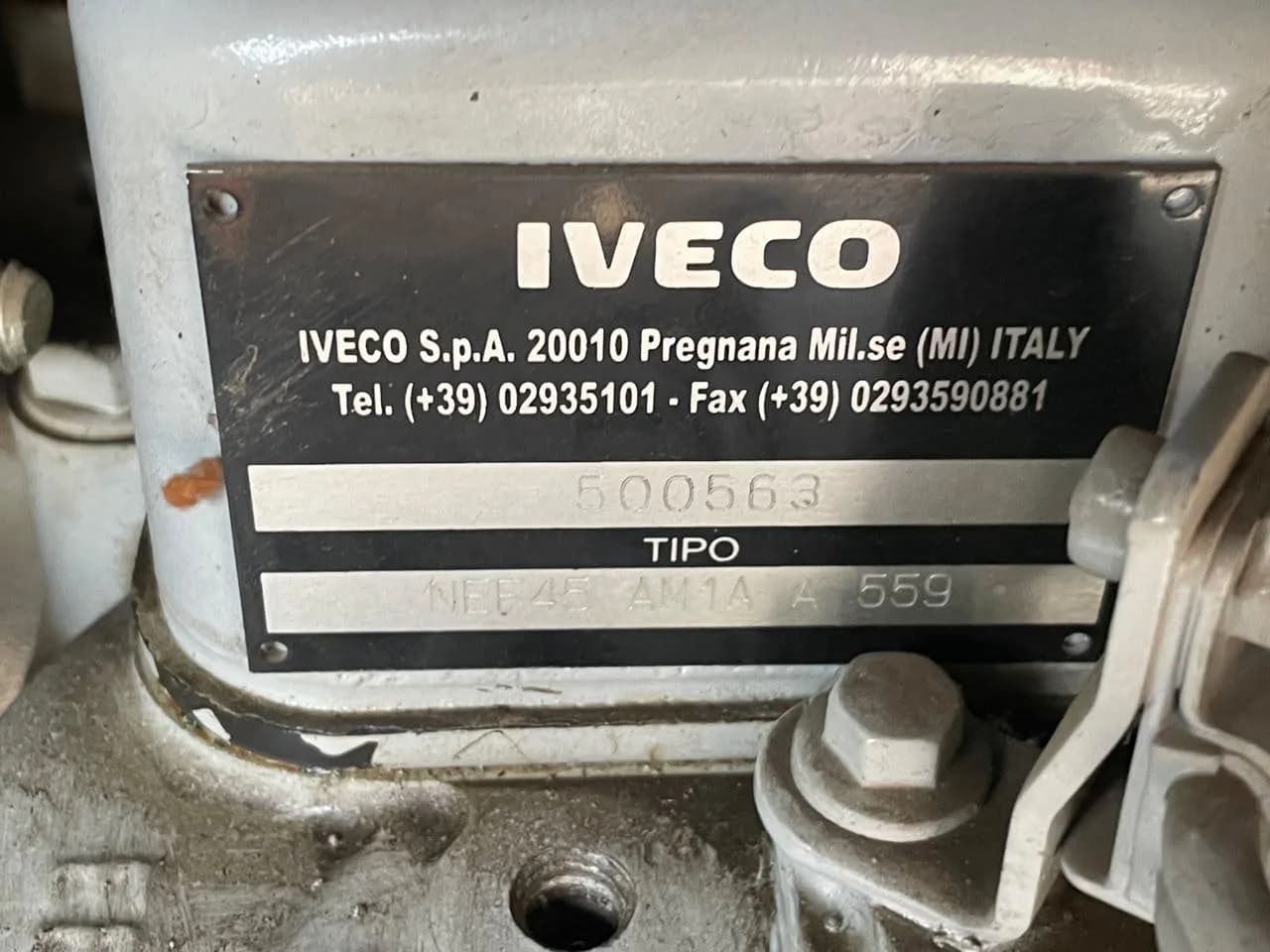
Iveco and FPT diesel engines in commercial generator systems.
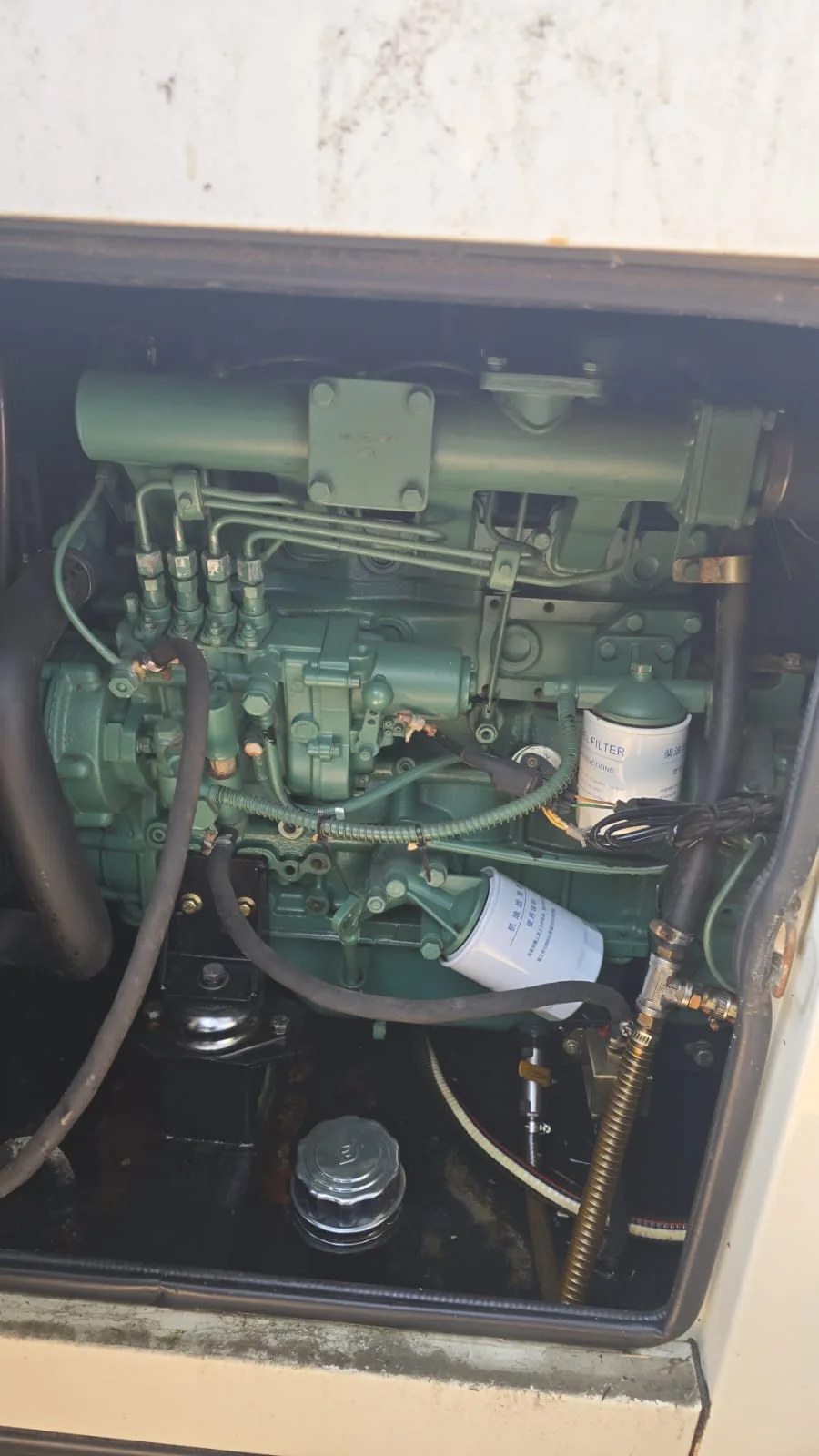
Lovol diesel standby and commercial generator sets.
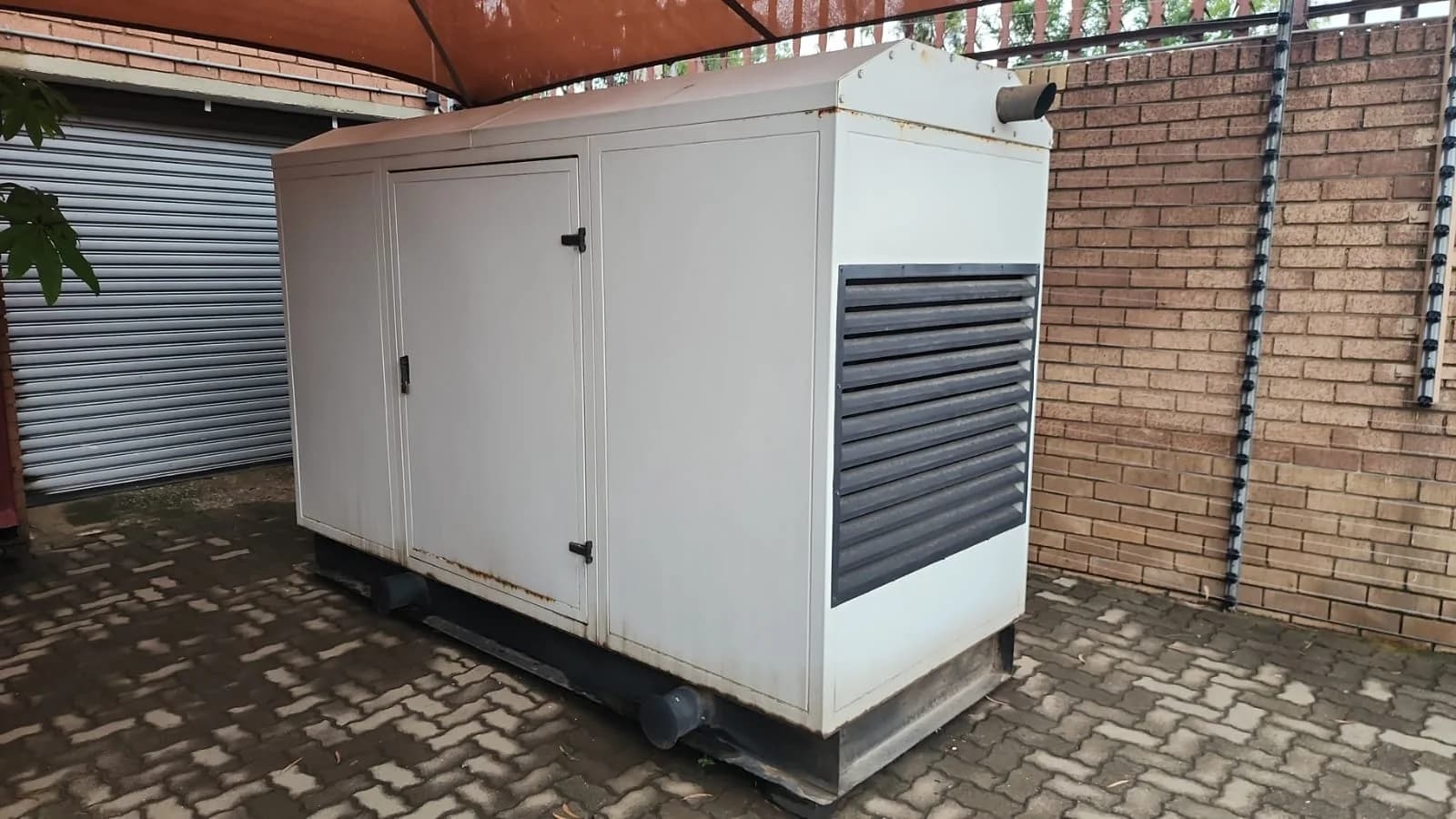
Kirloskar diesel generator servicing for no-start and output faults.
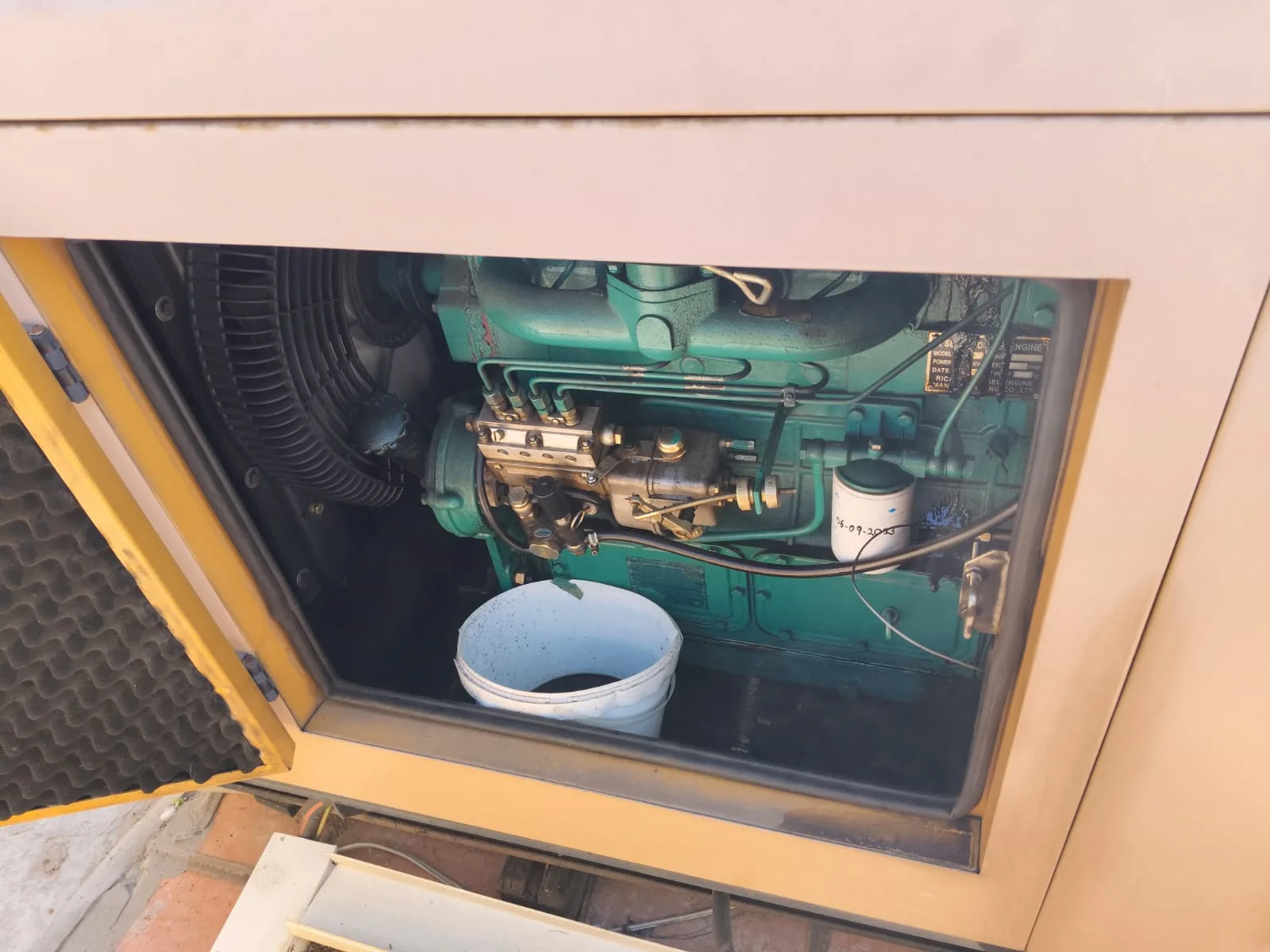
SDEC diesel engines in commercial generator sets.
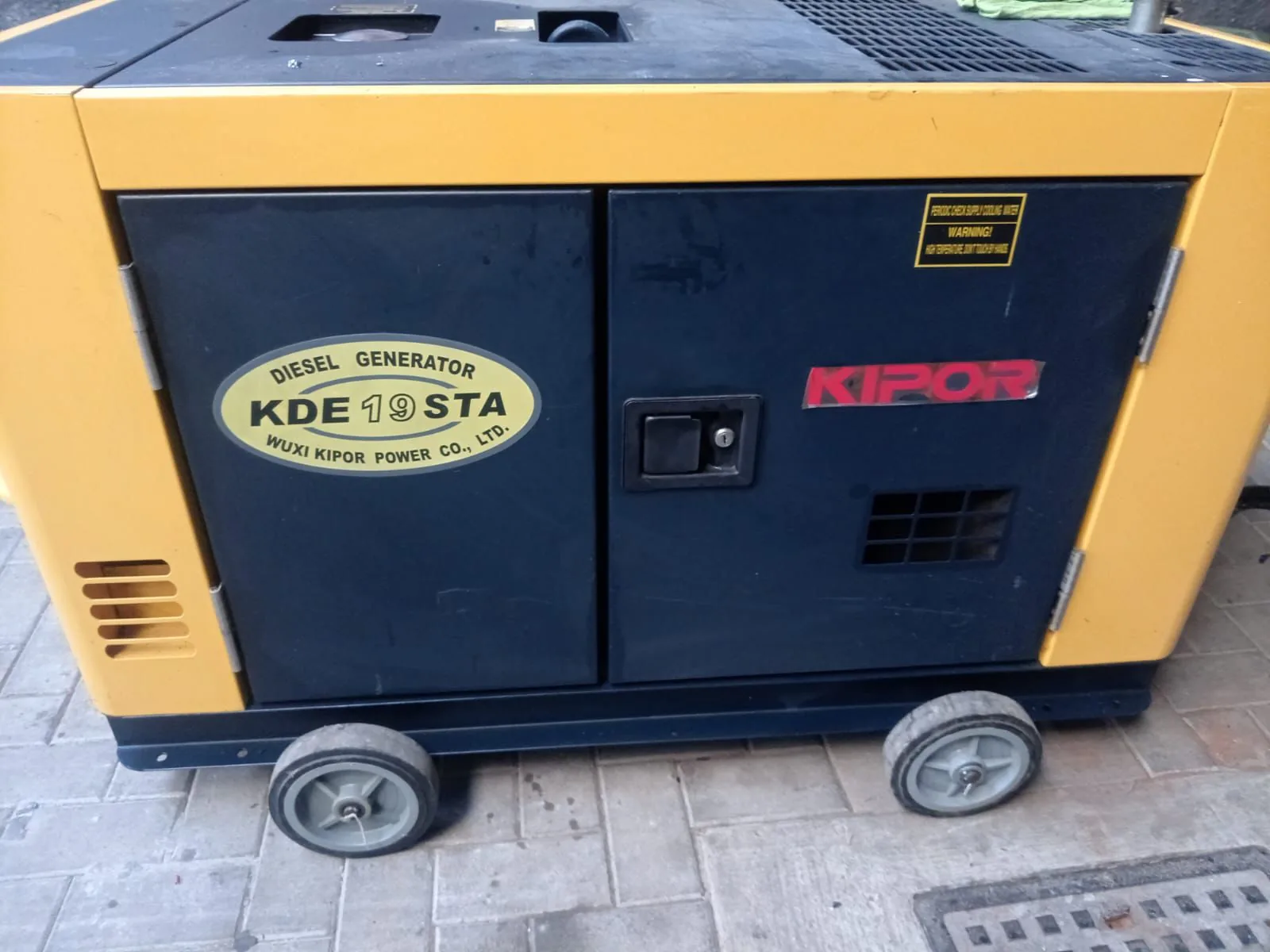
Kipor diesel standby and site sets: starting, fuel and cooling faults.
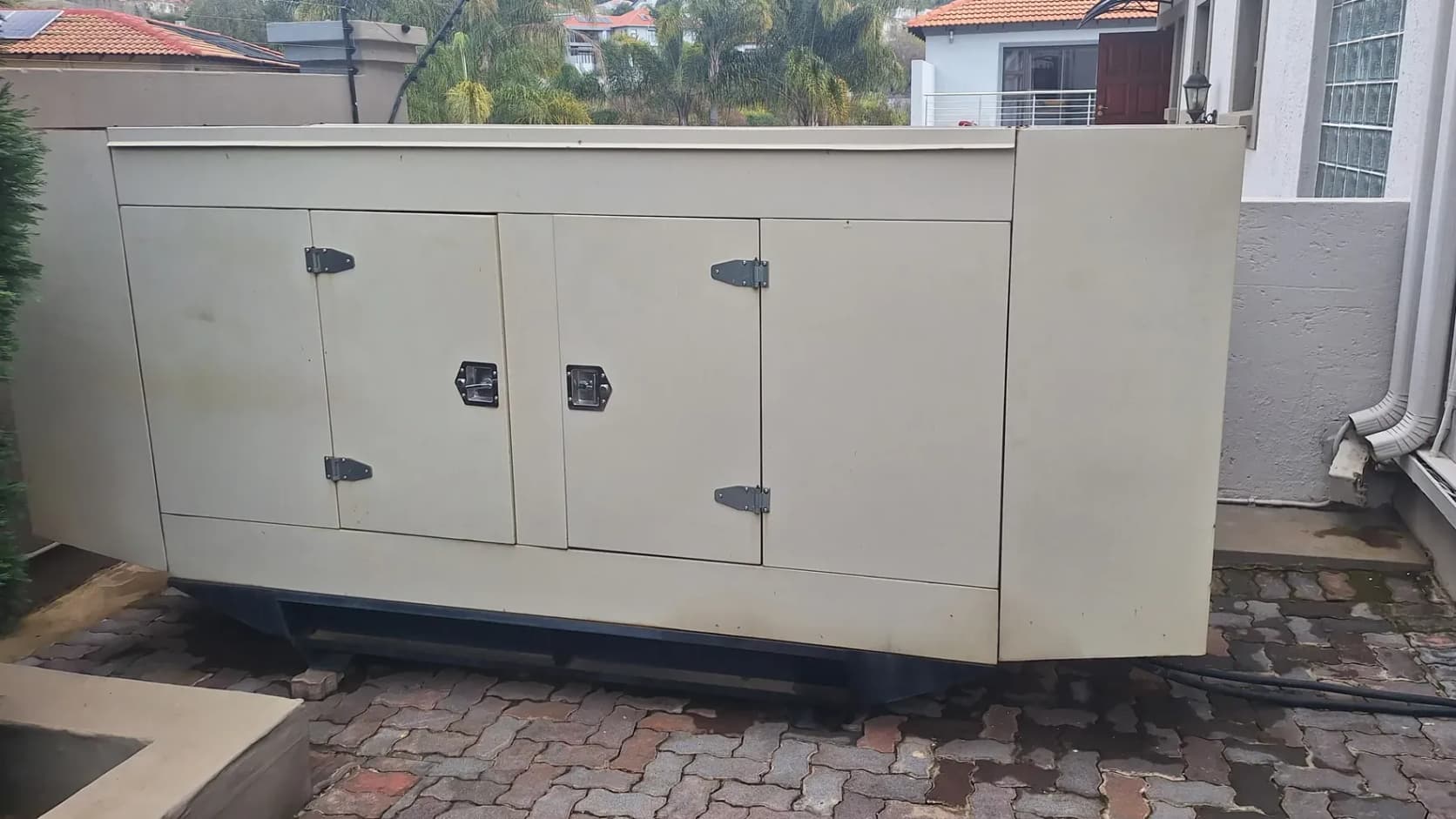
Himoinsa enclosed commercial sets and automatic standby systems.
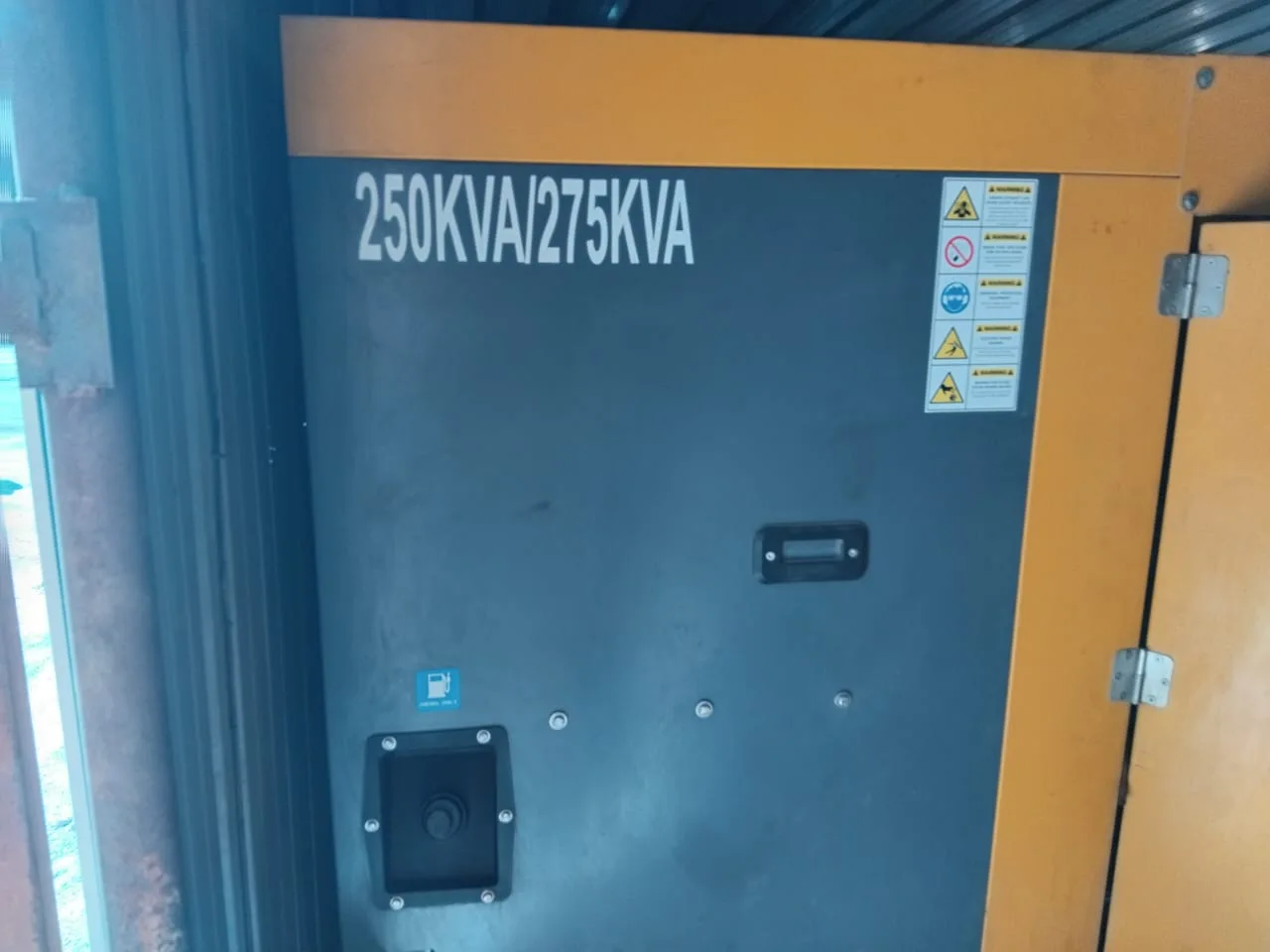
Atlas Copco site, mobile and commercial diesel generators.
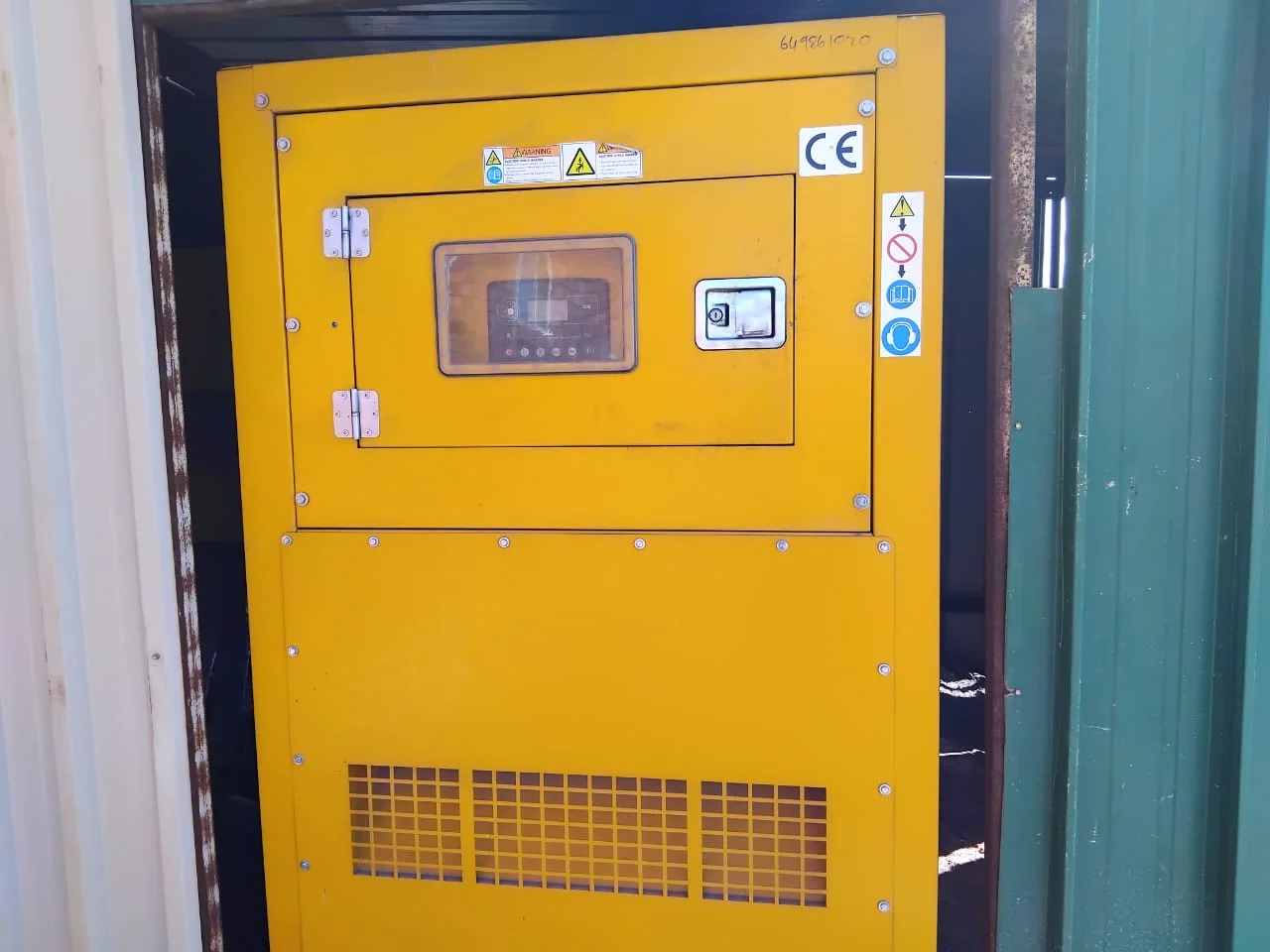
Aksa diesel standby gensets for commercial sites.
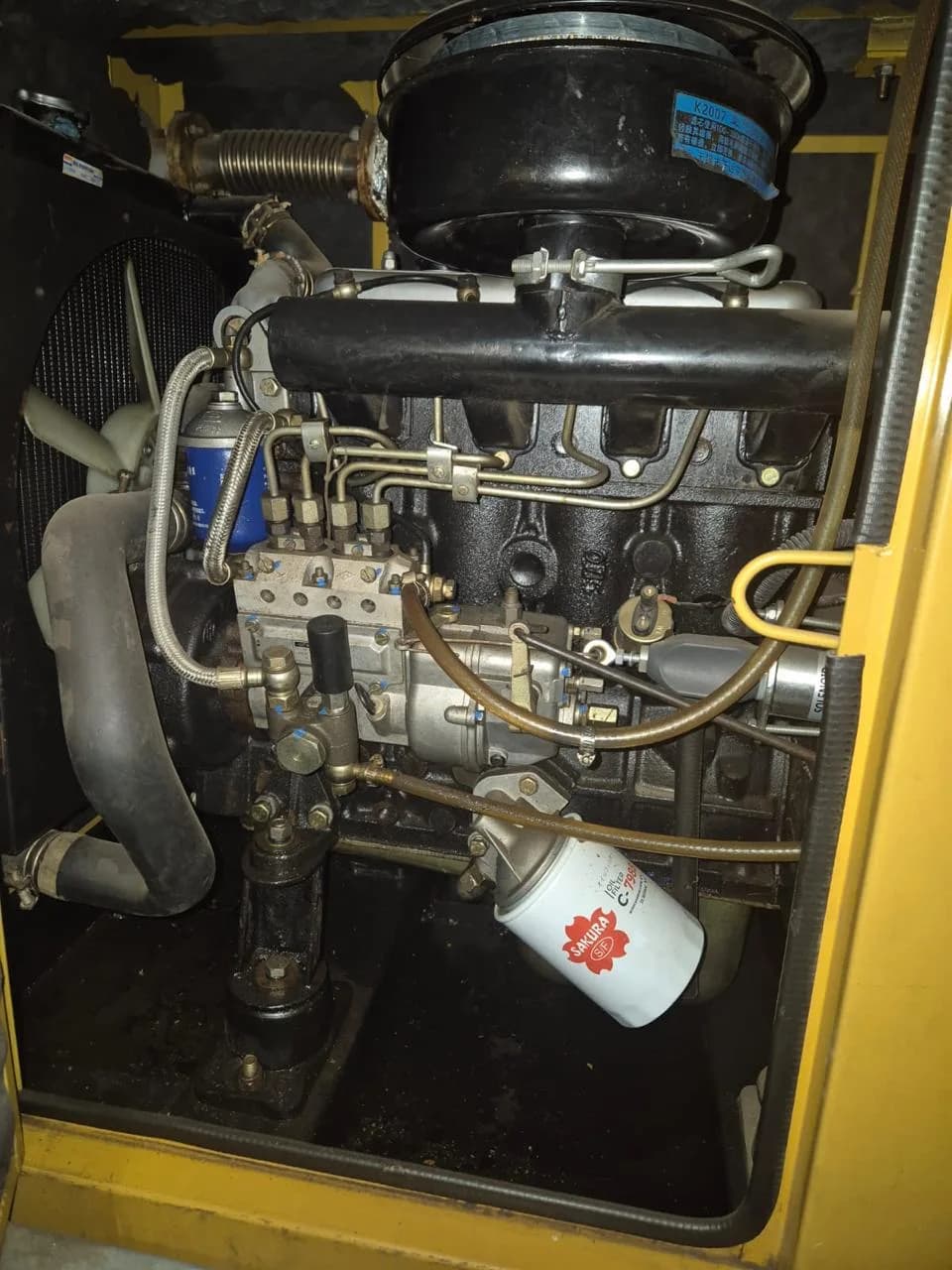
Ricardo diesel engines used in generator sets.
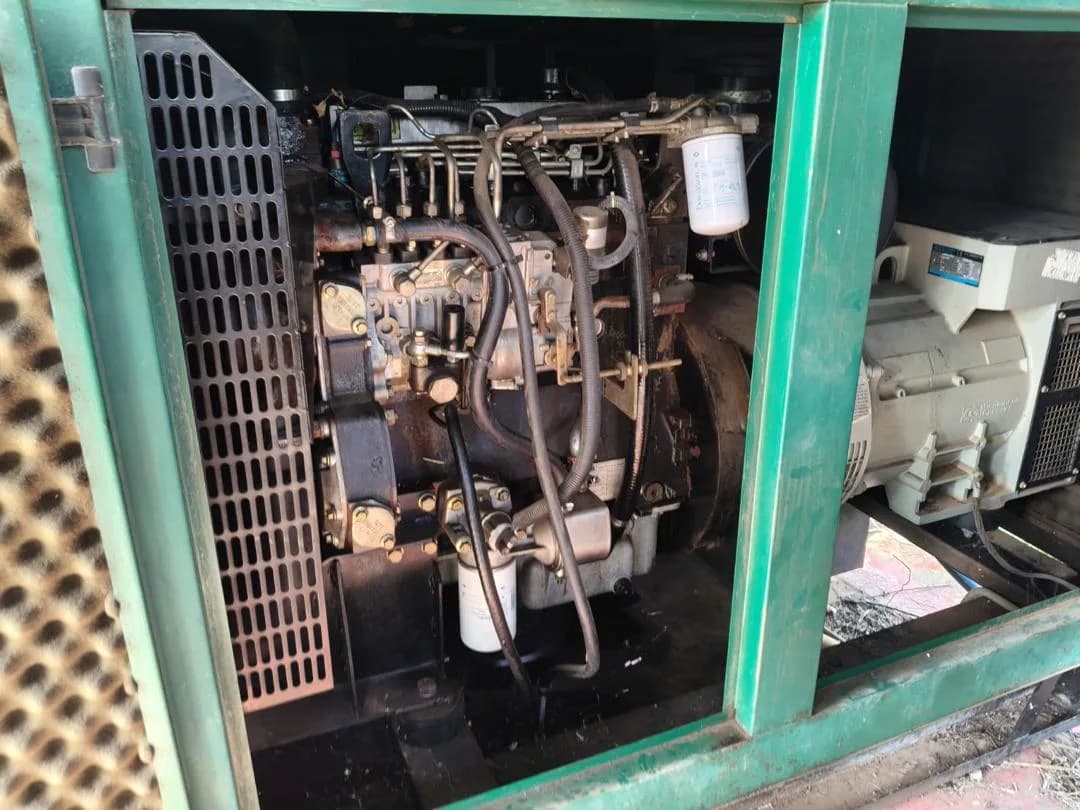
Yangdong diesel engines in smaller and medium generator sets.
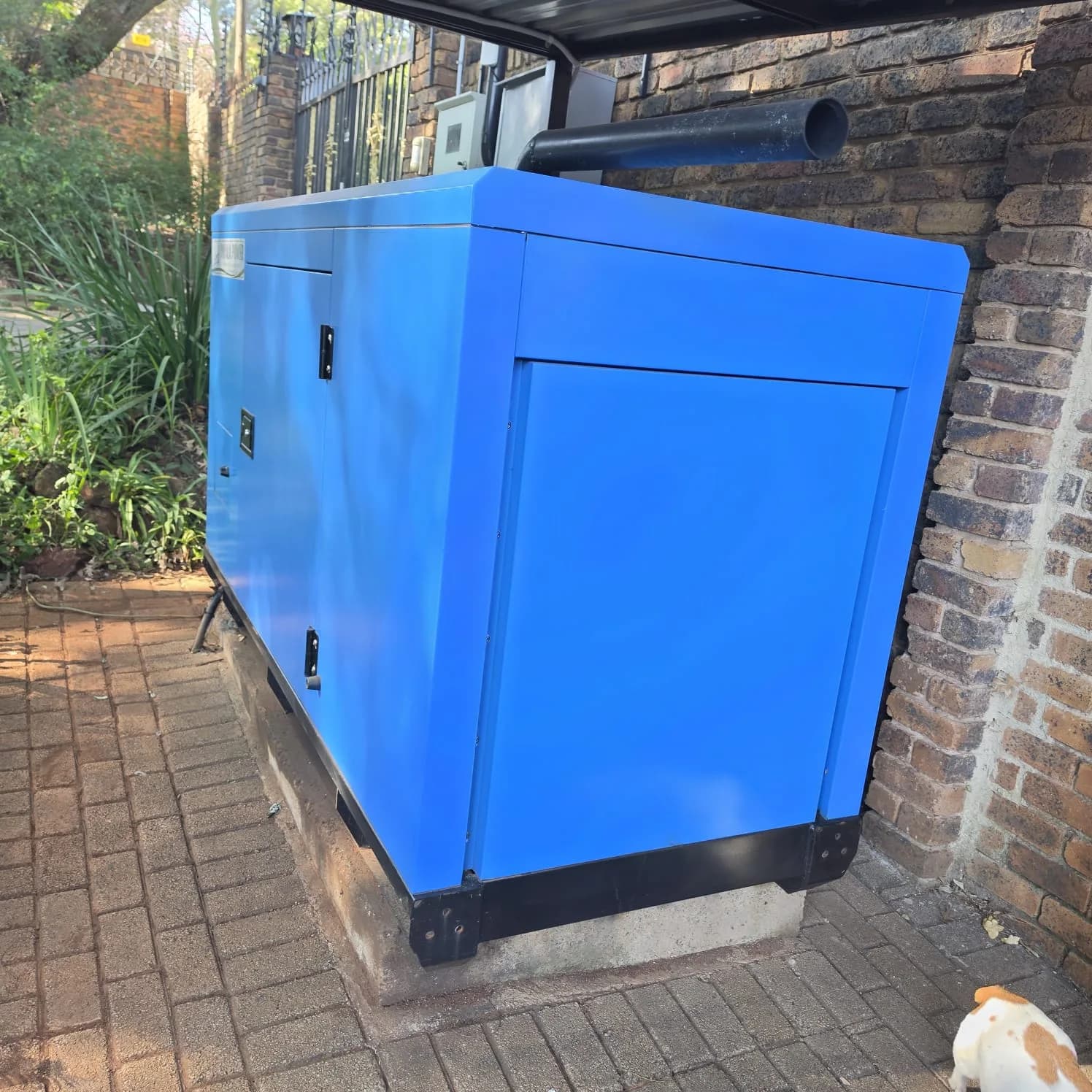
Denyo enclosed and site diesel generator sets.
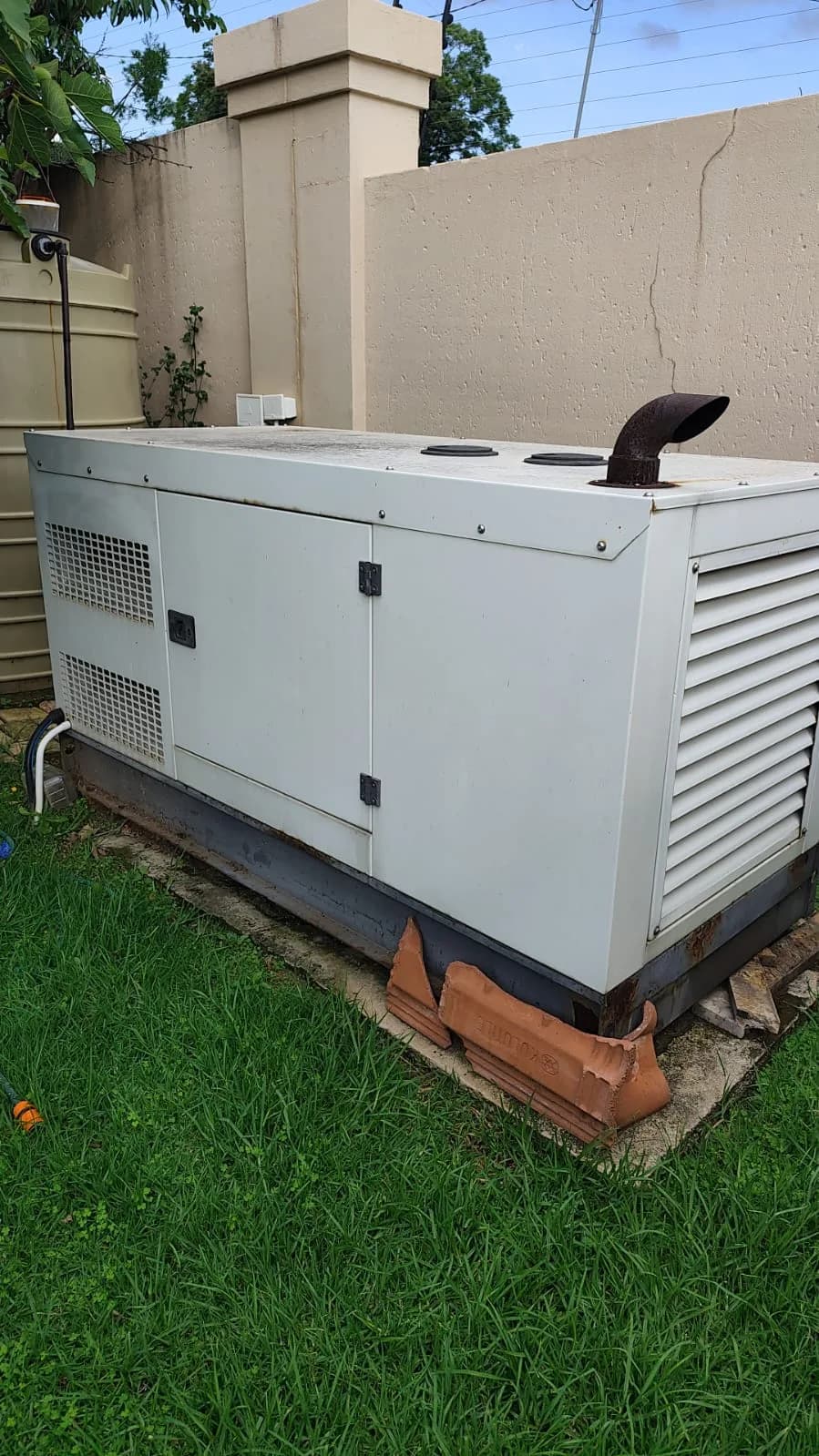
Hyundai diesel standby sets: starting, fuel, cooling and output.
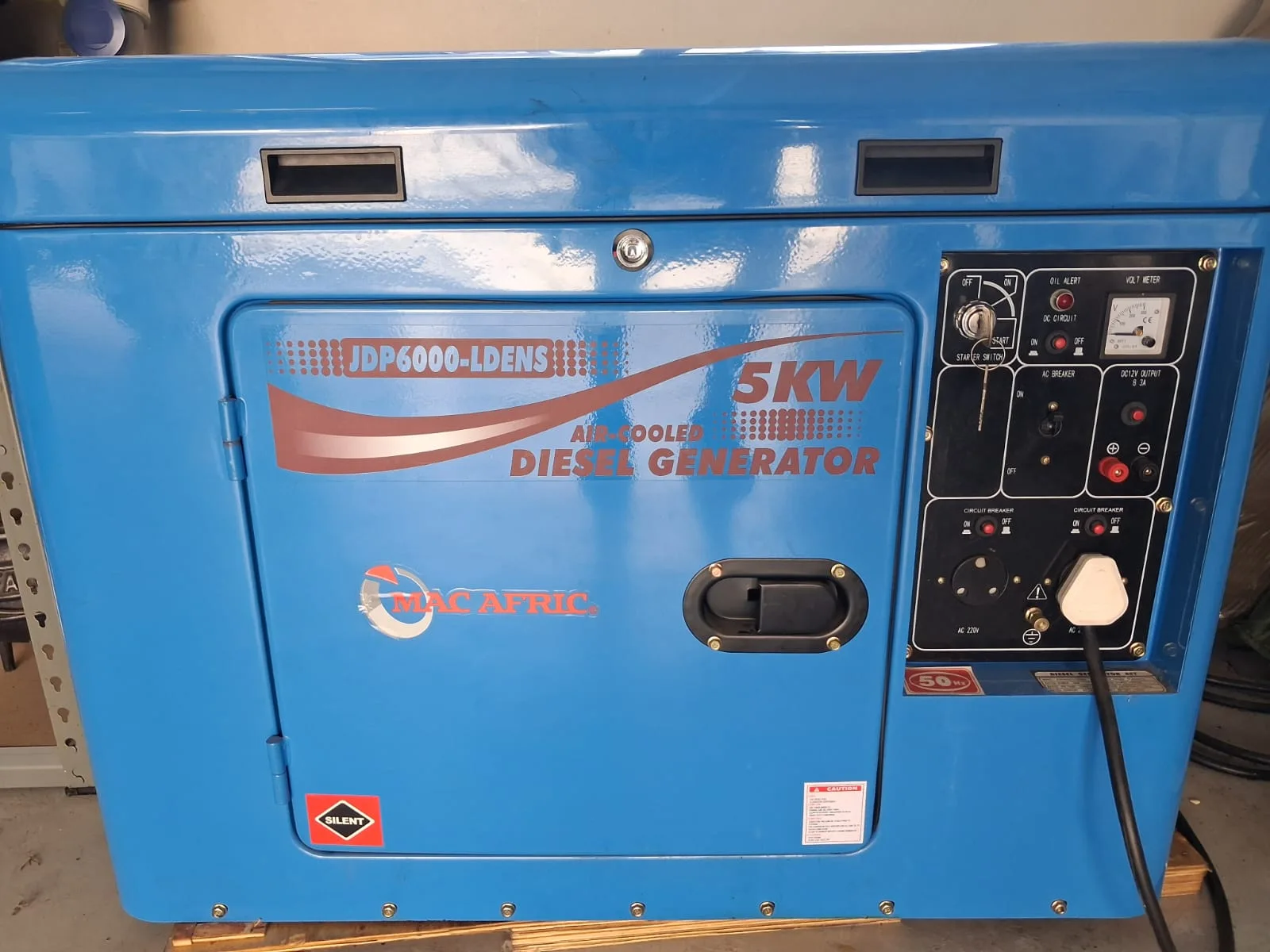
Mac Afric diesel generator sets for workshops and small commercial sites.
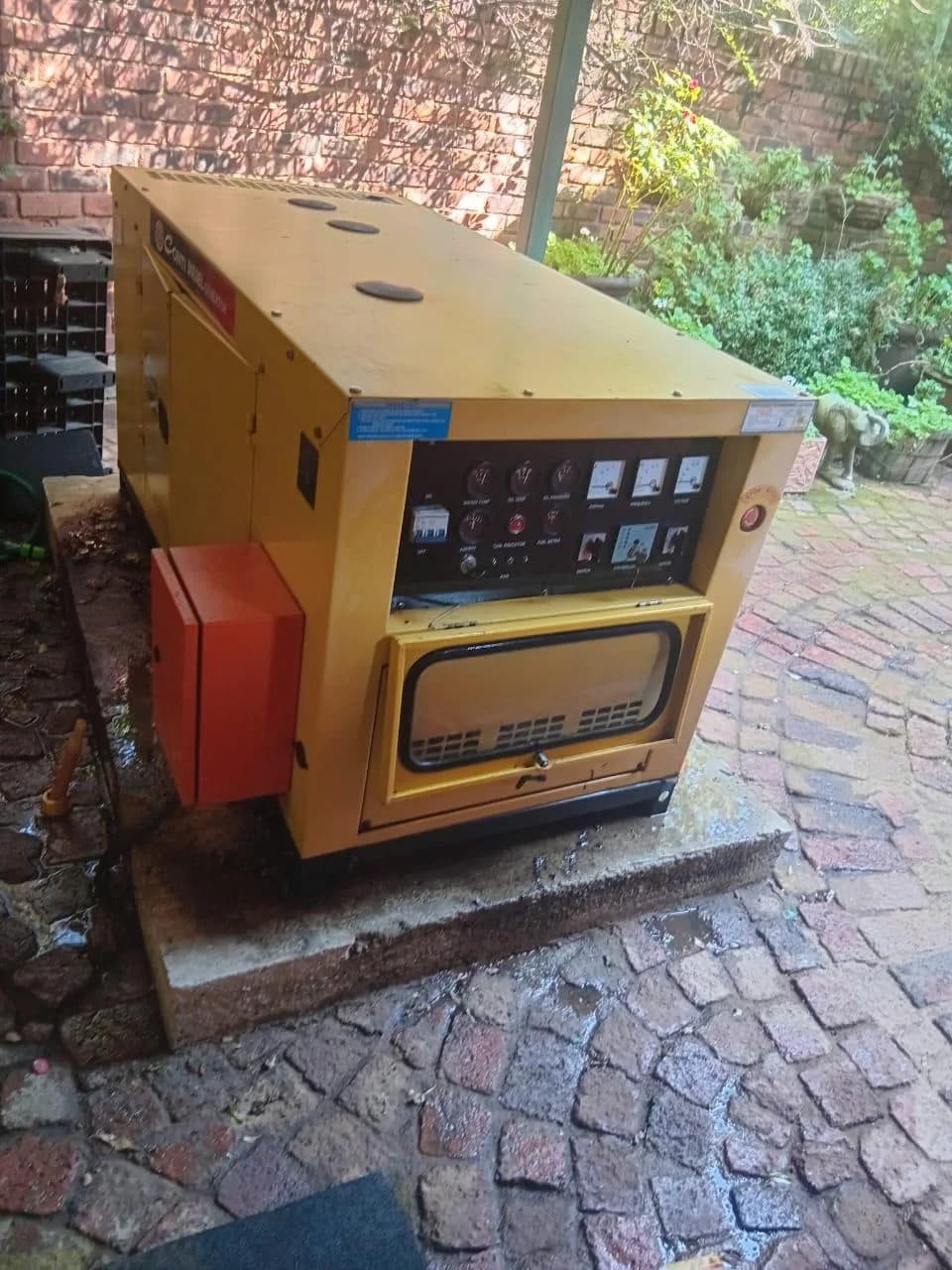
Gentech diesel generator sets for standby and commercial use.
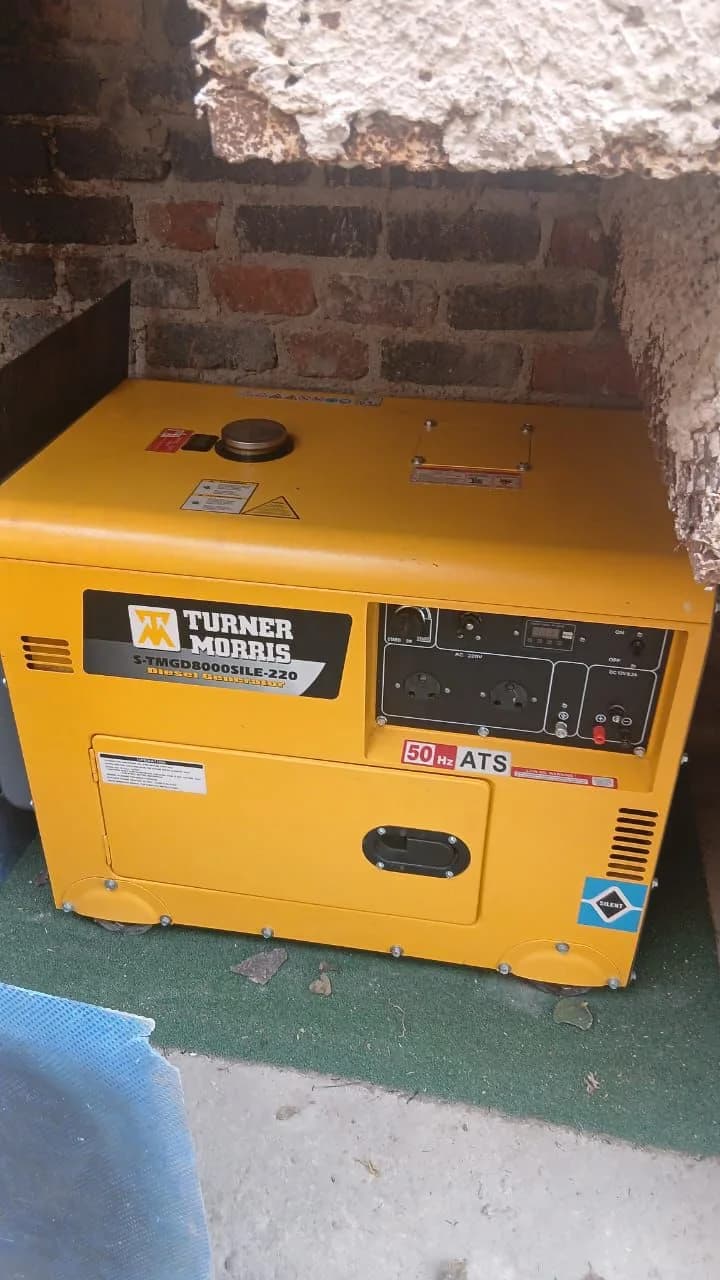
Turner Morris diesel sets for site and commercial use.
We work on diesel sets of every common size, from home standby units to factory installations. The size, the application, the engine, alternator and controller, the hours, the load, standby or prime duty and the service history all shape the job, so send us the kVA from the data plate and we will plan around it.
Homes, workshops, small offices and mobile or site sets. We still run a full diesel diagnosis: battery, fuel and shutdowns.
Offices, restaurants, shops, residential complexes, schools and guest houses. These sets usually start automatically, so we test the auto start and transfer too.
Office blocks, warehouses, shopping centres and larger residential developments. Cooling and transfer faults often show only when the building actually switches over, so we test under real load.
Factories, production sites and major backup installations. Access, fuel condition and the controller alarm shape our first hour on site.
On canopy sets we check airflow and door access as well as the engine. Open-skid sets are easier to reach and get the same fuel, oil and electrical tests.
We read the phase from the plate and test the output to match, and we complete electrical repairs safely on site.
A diesel generator usually fails to start because of a flat or weak battery, loose or corroded terminals, the starter, a controller fault, an emergency stop, a low-fluid shutdown or a fuel fault. We test the battery and the panel first, because they cause most no-starts.
A diesel that cranks and will not fire is usually short of fuel: a blocked filter, contaminated diesel, air in the system, a weak lift pump, injection equipment, a fuel solenoid or a control shutdown. We check the simple causes first and strip the engine only when the tests point there.
Once the engine runs, missing or unstable voltage points to the AVR, excitation, alternator, breaker or wiring. Low or high frequency follows engine speed, the governor, the load and controller sensing, and we set these on site with the right instruments. We record Deep Sea and SmartGen alarms as displayed. An ATS fault is either a start signal that never arrives or a transfer that never happens, and we test the switchgear ourselves so you never have to open it.
We assess alternator winding and insulation faults through generator rewinding, and output faults through Stamford alternator repairs and Leroy-Somer alternator repairs. Deep Sea panels are covered in Deep Sea controller repairs.
High temperature can come from low coolant, a leak, a blocked radiator, a hose, a belt, the thermostat, the water pump, too much load or poor canopy airflow. If your set shuts down on low oil pressure, stop resetting it and call us, because the pressure fault may be real. Load bank testing, where the site and the set allow it, proves cooling and output under load in a way a five-minute idle cannot; our cost guide puts it at R2,800 to R5,500.
Send the generator brand, the engine brand if it differs, the model and kVA, a photo of the data plate and the controller, any alarm text, what happens when you press start (does it crank, fire, give voltage, transfer?) and your suburb. Leave out anything you do not know; we will find it on site.
The Service
Most backup power in Gauteng commercial buildings, warehouses and larger estates is diesel. Diesel engines are built for long loaded hours, but standby duty is a different life: long sits, short test runs, and then a sudden full load when the grid drops. That pattern produces faults that a petrol portable never sees.
Fuel is the usual weak point. Diesel that sits in a tank collects water and grows microbes. Filters clog, lift pumps lose prime and injectors wear. Your set may pass a monthly test and then fail on the first real outage, because the test never asked the fuel system to deliver at load.
Starting and cooling come next. Glow plugs and intake heaters matter on cold Highveld mornings in Pretoria and Johannesburg. Dusty radiators, tired oil coolers and blocked canopy vents cause high-temperature shutdowns only once the ATS hands the set a real building load. We trace those faults through the cooling system instead of guessing at the engine.
We repair diesel generators on site across Johannesburg, the East Rand, Sandton and the rest of Gauteng, from small residential standby diesels to commercial and industrial sets. We service and repair Cummins, Perkins, Caterpillar, Deutz, Volvo Penta, FG Wilson and Kohler generators, and we have worked on diesel plant since 2000.
Diesel set down?
Call or WhatsApp 082 057 4605. We are open 24/7 and arrive within 1 hour for diesel breakdowns across Gauteng.
Diesel-Specific
We test glow plugs, heater relays, compression and the battery on standby diesels that sit for weeks between outages.
Water, sludge and blocked filters build up while diesel sits in the tank. You usually find out the moment the set takes load.
Smoke, rough running, fuel knock or a set that cranks hard but will not fire. We test the lift pump, injection pump and injectors as one system instead of swapping parts one at a time.
Unburnt fuel builds up in the exhaust when a set never sees enough load on test. A load bank test shows the problem and helps burn it off; a longer idle makes it worse.
Some sets only run hot once the building switches over. We check the radiator, coolant and canopy airflow at the load that causes the trip.
A standby diesel is only as good as its automatic start. We diagnose controller inhibits and transfer faults alongside the engine, so one fault does not hide another.
Portable, Silent or Standby
A small silent diesel and a canopy standby set share a fuel, not a fault list. The type decides what we check first.
Small air-cooled sets with recoil or electric start, bought for homes, sites and workshops. Air drawn in after the tank runs low and a weak battery are the usual reasons they will not start.
The same small engines inside a sound-proofed case, such as the Hyundai DHY6000SE or the Kipor KDE6500T. With no radiator, they depend on clean cooling fins and clear airflow through the case.
The usual set behind a larger home, an office or a complex: a water-cooled engine with a radiator, a controller and an automatic transfer switch. Battery, controller, transfer and coolant are checked together.
Small portable and silent diesels commonly run at 3,000 rpm with a two-pole alternator; larger standby sets run at 1,500 rpm with a four-pole alternator. On either, an engine speed fault shows up as a frequency fault.
An air-cooled engine is serviced with its oil, filters and cooling fins; a water-cooled engine adds coolant, the radiator, hoses and the water pump. Some makers, such as Kirloskar, build both, so the engine plate decides.
Large three-phase plant that runs for long hours or as the main supply. These are planned around shutdown windows; see our industrial generator repairs page.
How We Work
We note whether the set runs standby or prime, check the tank and find out if the fault appears at idle or only under load.
We test the glow circuit, fuel pressure, filters, coolant and the air path through the canopy, and the injectors where the symptoms point there.
You get the scope and price in writing before we start. If the tank is contaminated, the quote covers the fuel as well as the parts it damaged.
After the repair we start the set and run it under a representative load where your site allows, so you see it working.
Fuel Type
We treat petrol and diesel as different jobs because the fuel system, the ignition and the typical size of the set all differ. A small home petrol set needs a petrol generator repair. A canopy diesel with an ATS needs the diesel work described here.
Diesel jobs more often include fuel polishing and tank cleaning, glow-plug circuits and proving the set on load. Our cost guide puts fuel system cleaning and polishing at R1,500 to R3,500. Petrol jobs more often involve carburettors, spark plugs and stale fuel in small tanks.
Typical diesel jobs
Standby canopies, commercial backup, fuel and cooling
Typical petrol jobs
Home portables, carburettors, spark and small tanks
Shared faults
Batteries, control panels and “no output” AVRs
Follow-on work
Fuel polishing and load bank testing
Common Questions
We repair Cummins, Perkins, Caterpillar, Deutz, Volvo Penta, John Deere, FG Wilson, Olympian, Kohler, SDMO, Generac, FAW and the other diesel makes in the brand grid, each with its own repair guide.
We service everything from small home standby diesels to large commercial and industrial sets, single-phase and three-phase. Send us a photo of the data plate and we will plan the visit and the parts around it.
Yes. We diagnose standby sets at offices, shops, warehouses, schools and residential complexes on site across Gauteng.
Yes. We quote factory and plant-room diesel sets from the data plate, the access and the fault, and confirm the scope before we start.
The usual causes are the battery, the starter, the fuel system, a controller shutdown or an engine protection fault. Whether the engine cranks tells us which to test first.
A diesel that cranks and will not fire usually has a fuel-delivery fault, air in the fuel, an active shutdown or an engine problem. We check the filters and bleed the air before we look at injection equipment.
Yes. We investigate hard starting, smoke, uneven running and poor load response, and we test the injectors before we recommend replacing them.
Yes. Once the diesel is running, we check the breaker, the AVR and the alternator to find where the voltage is lost.
Yes. We read Deep Sea, SmartGen and other panels exactly as displayed, and we diagnose transfer faults ourselves so you never need to open live switchgear.
Yes. Standby sets that rarely run still need oil, filters, coolant, battery care and a test of the start and transfer. We set the interval from your machine and its hours, and our diesel generator servicing and maintenance page sets out what each visit covers.
Yes. We diagnose and repair diesel generators at your premises in Gauteng, engine overhauls and major mechanical repairs included, so the set never has to be transported.
Your diesel failed because a short unloaded test does not stress the fuel filters, injectors or cooling system. A real transfer runs the engine harder and longer, and that is when contaminated diesel and blocked radiators show up.
No. Black smoke can come from injectors, a dirty air filter, overload or a fuelling fault. We check the air supply and the load first, which often saves you an injection-pump repair.
Diesel sets use compression ignition, injection equipment and usually larger cooling packs. Petrol sets use spark ignition and a carburettor on a smaller frame. So even when both simply “will not start”, we begin the diagnosis in different places.
We arrive within 1 hour, 24 hours a day, 7 days a week, including weekends and public holidays. Call or WhatsApp 082 057 4605 with the suburb, the kVA and what the set is doing.
Still unsure what the fault is? Call or WhatsApp 082 057 4605 for onsite diagnosis.
Related Services
Service Areas
We repair diesel generators in Johannesburg, Sandton, Pretoria, Midrand, Centurion and across the East Rand, with callouts to the wider province.
These details help us plan the visit and bring the right parts. Send what you can on WhatsApp; if you can’t find the model number, we still book the visit.
Book a Repair
Tell us the kVA if you know it, the brand, and whether it is a canopy standby set or an open industrial unit.
What happens next
Charlie, lead technician: Degree in Mechanical Engineering, Degree in Electrical Engineering, Diesel Plant Fitter. Generator specialists since 2000.