
Oil pressure
Generator Low Oil Pressure Faults
A low oil-pressure alarm means the controller does not trust the oil-pressure signal. It is either real low pressure, which can destroy the engine, or a false alarm from the sensor, its wiring or the controller. We measure the actual pressure to tell them apart, and we never disable the shutdown to get the set running.
Callout fee waived when you accept our written quote. 1-year workmanship guarantee. See prices
- Real pressure measured with a gauge
- Shutdown protection stays in place
- Oil level checked before the sensor
- Onsite across Gauteng
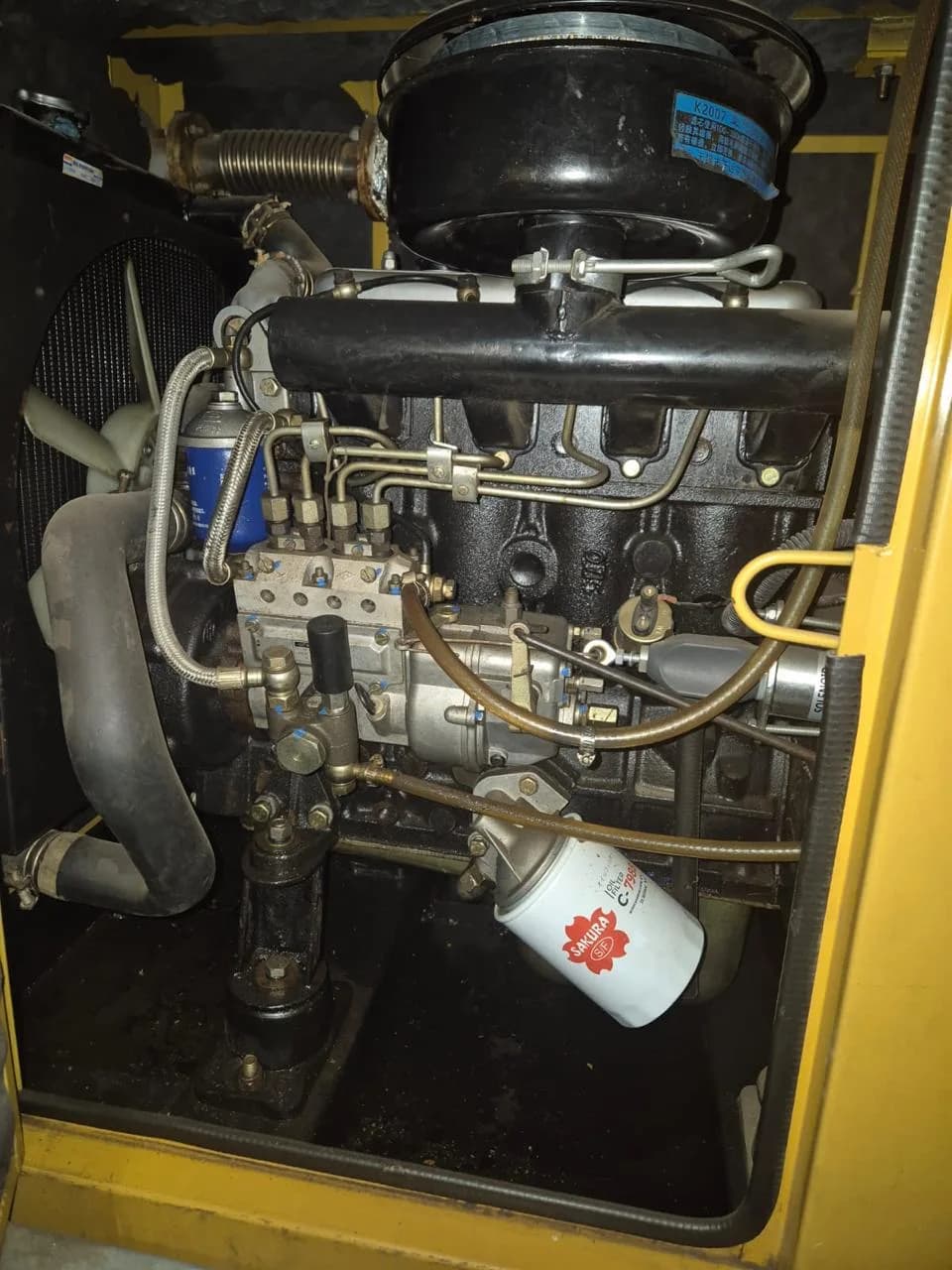
The alarm and the real pressure
What does a low oil pressure alarm mean?
It means the controller stopped the engine, or warned you, because the oil-pressure input looked wrong. The cause can be a low oil level, the wrong oil, a blocked filter, a faulty sensor or wiring, a worn oil pump, engine wear, or a controller misreading a healthy engine.
We confirm the real pressure with a mechanical gauge, running the engine only as long as that test is safe, and compare the reading with the engine maker’s figure for your engine. If the gauge shows normal pressure while the sensor reads low, the sensor circuit is at fault. Swapping the sensor without that comparison can hide a real lubrication problem.
An oil leak can drop the level far enough to set off the alarm. We repair oil escaping from the engine as a leak, and we test the alarm as a pressure fault, whether or not you can see a drip.
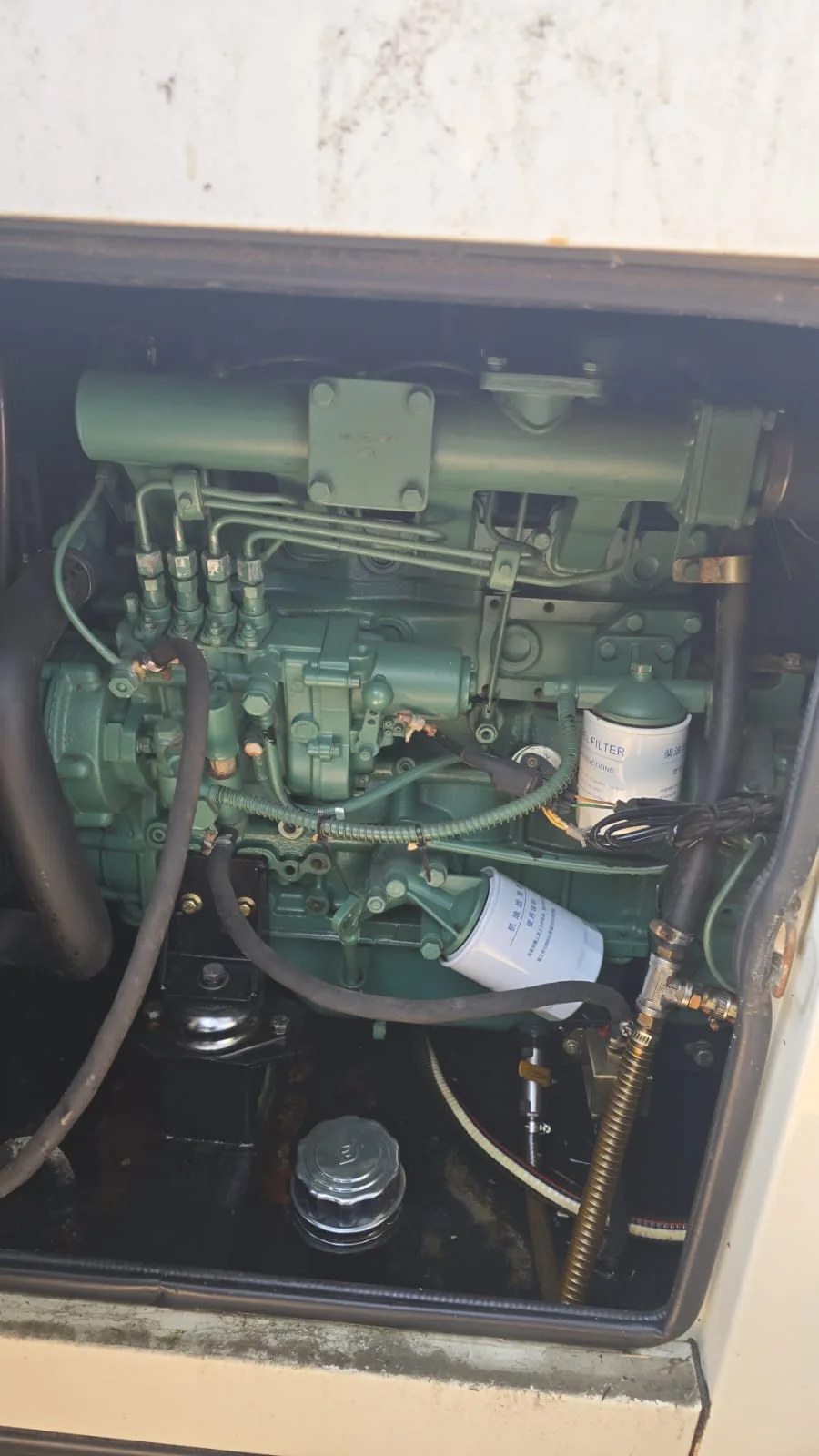
Fault guide
Generator low oil pressure: what it can mean and what to do
A low oil-pressure alarm is either real low pressure, which can wreck the engine, or a false signal from the sensor or its wiring. We measure the real pressure, and we never disable the shutdown to keep the set running. This guide separates what you can safely notice from what a qualified technician tests. One symptom never proves that a particular part has failed.
Symptom, likely cause and repair
Find the line closest to what you see. The cause is the most likely one, not a diagnosis: testing confirms it before any part is replaced.
| What you see | Likely cause | Usual repair |
|---|---|---|
| Alarm, but the dipstick shows the right level | A faulty pressure sender, switch or wiring | Controller repairs |
| Alarm with a low oil level | Oil lost through a leak or burnt by the engine | Oil leak repairs |
| Pressure low only when the engine is hot | Worn bearings or a tired oil pump | Engine overhaul |
| Alarm soon after an oil change | The wrong oil grade, a wrong filter or an air lock | Generator servicing |
01
What you may notice
- A low oil pressure alarm or shutdown
- The set stops shortly after starting with an oil warning
- The oil warning light flickers at idle
- Oil visible under the set
02
Possible causes
Any of these can produce the same symptom. Testing decides which one applies.
- A low oil level from a leak or oil consumption
- The wrong oil grade or oil overdue for a change
- A blocked oil filter
- A faulty oil pressure sensor or switch, or its wiring
- Oil pump or internal engine wear
03
What you can safely check
Look and note only, from outside the canopy. Do not open panels, covers, fuel lines or the cooling system.
- When was the oil last checked or changed, according to the service record?
- Is oil visible under the set or on the canopy floor?
- Does the alarm appear at start-up, at idle, or under load?
- Was the oil topped up recently, and with what?
04
Stop using the generator and call if you notice
- Do not keep restarting a set that shuts down on low oil pressure. Running without oil pressure can destroy the engine.
- Knocking or rattling from the engine
- Oil spraying or pooling under the set
If it is safe to reach, stop the generator with its normal stop control or emergency stop, keep people away, and call a technician.
05
What a qualified technician typically tests
These are technician checks, not steps to try yourself. Several involve live electrical measurement, fuel or pressurised systems.
- Oil level and condition
- Actual oil pressure with a mechanical gauge, compared with the sensor reading
- Sensor, wiring and controller input
- Oil filter and pump, and further engine checks if pressure is genuinely low
06
Common repair categories
The repair follows the test result. These are the services this symptom most often leads to.
07
What to send when you book
- Your suburb and how we reach the generator
- Make, model and kVA from the data plate (a photo is ideal)
- Fuel type: diesel, petrol or gas
- When the alarm appears and how long the set runs first
- The date of the last oil change, if known
08
Related faults and services
Not sure which symptom fits? Try the generator symptom finder.
Safety before you check anything
- Exhaust contains carbon monoxide, which you cannot see or smell. Run a portable generator outdoors only, away from doors, windows and vents, and never run any generator in a house, garage or other enclosed space.
- A standby generator set to automatic can start at any moment, when the mains fails or on its exercise timer. Keep the canopy closed and stay clear of fans, belts and the exhaust.
- Generator output, the changeover and the control panel can be live, and some parts hold stored electrical energy after shutdown. Leave panels, covers and wiring closed for us to open.
- The engine, exhaust and coolant stay hot after running. Never open a radiator or coolant cap on a hot engine.
- Do not refuel a running or hot generator. If you smell gas at a gas-fuelled set, do not operate switches; leave the area and contact your gas supplier.
Carbon monoxide guidance: US Consumer Product Safety Commission: Generators and engine-driven tools (carbon monoxide).
Send the details on WhatsApp
This opens WhatsApp with a short message already typed: brand, model, capacity, symptoms and suburb. Fill in what you know and send it. Blank lines are fine.
- The data-plate photo is added inside WhatsApp after the chat opens: tap the attachment or camera icon and choose the photo. A link cannot attach the photo for you.
- Take the photo only when the generator is switched off and has cooled down. Do not reach over or into a running or hot generator, and keep away from the exhaust.
- A standby generator set to automatic can start by itself when the mains supply fails. If you are not sure how it is set, photograph the plate from a distance or send a photo of the whole set instead.
Typical repair costs for this fault
Published ranges, last reviewed October 2026. The callout is R400 – R700 in business hours and R700 – R1,400 after hours, and it is waived if you accept the quote. Your written quote after diagnosis is the price that applies.
- Oil and filter change
- R600 – R1,400
- Engine overhaul
- R9,000 – R28,000+
Step 9: book a diagnosis visit.
Related Pages
Controllers, leaks and shutdowns
- Oil Leak Repairs Oil escaping from the engine
- Controller Repairs The alarm input on the module
- Generator Maintenance Level and filter checks
- Engine Overhauls Bearing and oil pump wear
- Starts Then Stops Shuts down after it fires
- Knocking or Noise Bearing wear often comes with it
- Generator Fault Finding Separating the alarm from the cause
Common Questions
Questions about low generator oil pressure
What does a low oil pressure alarm mean?
It means the controller has seen an oil-pressure signal it does not trust. That may be real low pressure, or a fault in the sensor, the wiring or the controller.
Is the alarm always a bad sensor?
No. If you treat every alarm as a faulty sensor, you risk running an engine with genuinely low pressure. We confirm the real pressure first.
Can I bypass the oil-pressure shutdown?
No. That protection exists to stop the engine before it damages itself. Disabling it can destroy the bearings if the pressure really is low.
The oil level looks fine. Can it still be low pressure?
Yes. A blocked filter, a worn pump, engine wear or a sensor fault can set off the alarm with the level on the mark. A correct level does not end the test.
It starts, then shuts down on oil pressure. What happens next?
Note the alarm text and stop trying to restart it. We check the level and the real pressure before the engine runs again. A start-then-stop on this alarm is an oil-pressure question, not a fuel fault.
Could an oil leak cause the alarm?
Yes, if the leak has dropped the oil level. A wet engine with a full sump is a leak, while a low level is a pressure risk, so please do not run the set until we have checked it.
How do you tell a false alarm from real low pressure?
We fit a mechanical gauge and compare its reading with the sensor and the controller. We blame the sender only when the gauge shows healthy pressure.
What should I send with an oil-pressure alarm?
Send the exact alarm words, tell us whether the oil level is low, and say whether you can see an oil leak.
Still unsure what the fault is? Call or WhatsApp 082 057 4605 for onsite diagnosis.
Service Areas
Onsite visits across Gauteng
We come to your generator anywhere in Gauteng, 24/7. Choose your region for local suburbs, call-out details and the faults we see most there.
What to send before we attend
These details help us plan the visit and bring the right parts. Send what you can on WhatsApp; if you can’t find the model number, we still book the visit.
- Location
- The suburb or site, so the visit can be booked in the right area.
- Make and model
- The generator brand and model, if they are known.
- kVA
- The size printed on the data plate.
- Fuel type
- Diesel, petrol, LPG, natural gas, or dual-fuel.
- Controller model
- The module name on the panel, when it is visible.
- Fault or alarm
- What the set does, and any text on the screen.
- Photos
- The generator, the data plate, and the controller or alarm. Send these on WhatsApp.
Book a Visit
Send us the alarm text
Photograph the low oil-pressure message, and tell us whether the level is low and whether you can see oil on the engine. For a breakdown, we are open 24/7 and arrive within 1 hour.
- Call
- 082 057 4605
- Message us on WhatsApp
What happens next
- We reply with questions about the generator, or to book a visit.
- A technician comes to you. For a breakdown we arrive within 1 hour.
- The fault is diagnosed on site and you get a written quote. No work starts until you accept it.
Charlie, lead technician: Degree in Mechanical Engineering, Degree in Electrical Engineering, Diesel Plant Fitter. Generator specialists since 2000.