
ComAp
InteliNano, InteliLite and InteliGen controllers, from small standby sets to larger installations.
Open 24/7 · We arrive within 1 hour across Gauteng · Established 2000
Controller guide
A generator controller is the module that monitors the engine, shows alarms, and decides when the set may start. Find the alarm on your screen below and you will know where the fault is likely to be. When the module itself needs work, we diagnose, reprogram or replace it on site across Gauteng.
Callout fee waived when you accept our written quote. 1-year workmanship guarantee. See prices
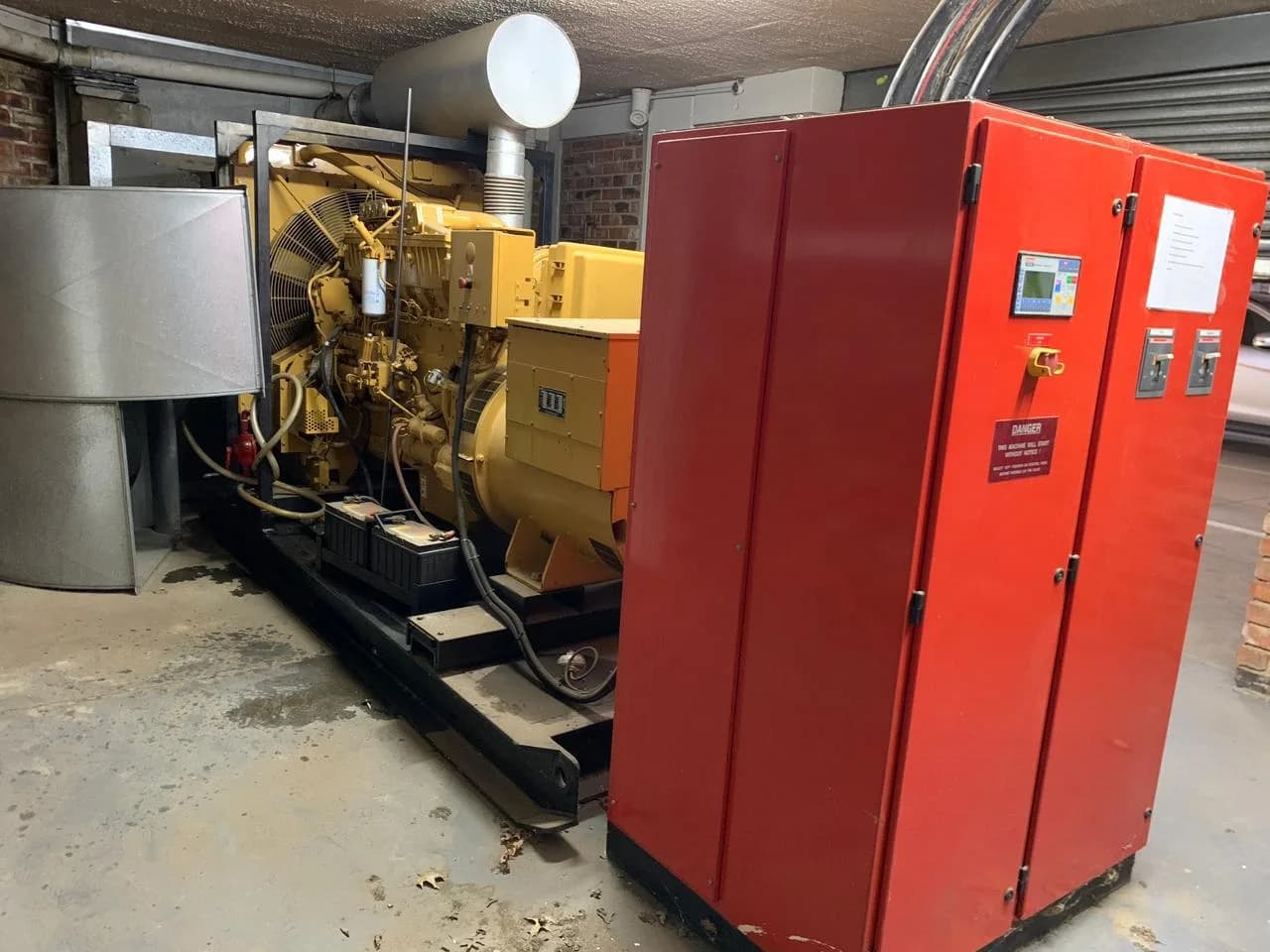
The controller watches the engine and the output, raises an alarm when a reading goes wrong, and starts or stops the set. These terms come up on almost every controller job.
An alarm tells you what the controller saw, not which part failed. Here are the alarms we see most often, what each one means, and where we look first. We keep every shutdown connected while we test, so the engine stays protected.
The engine cranked for its set number of attempts and did not fire.
What we check: Fuel supply, the fuel solenoid, battery voltage while cranking and the start signal.
The oil pressure switch or sender reported pressure below the shutdown setting.
What we check: The oil level and the real pressure on a gauge, then the sender and its wiring.
The engine ran hotter than its shutdown setting.
What we check: Coolant level, radiator airflow, the fan belt and the load, once the engine has cooled.
Engine speed moved outside its limits.
What we check: The governor, the fuel supply and the speed sensor.
Output frequency left its limits, usually because engine speed changed.
What we check: The governor, large load steps and fuel delivery.
Output voltage left its limits.
What we check: The AVR, the excitation, the alternator and the voltage sensing wires.
The engine’s charge alternator is not charging the battery while the set runs.
What we check: The belt, the alternator output and the excitation wire.
Battery voltage dropped, or the mains battery charger reported a fault.
What we check: The battery, the charger, its fuse and the cabling.
An emergency stop button is pressed, or its circuit is open.
What we check: Which button or wire opened the circuit, before we reset it safely.
The engine kept running after a stop command.
What we check: The fuel solenoid, the stop circuit and the speed signal.
The controller sees that the mains supply has failed. On an AMF set, this is the signal to start.
What we check: If the set did not start: the controller mode, the mains sensing and the start delay.
A sensor wire is broken or unplugged, so the reading is missing.
What we check: The sender, its plug and the cable back to the module.
The controller lost contact with the engine ECU, or the ECU sent a fault code.
What we check: The CAN wiring and the code the ECU reports.
The service timer reached its interval.
What we check: Book a service. We reset the timer once the work is done.
Most industrial controllers show the alarm as text, such as Low Oil Pressure or Fail to Start, often with a short alarm history. Photograph the whole list, because the first alarm usually explains the ones after it.
Electronic engines that talk to the controller over CAN or J1939 add their own fault codes. Each code has an SPN, which identifies the part or reading, and an FMI, which describes how it failed, such as a reading that is too high, too low or missing. Send us both numbers with the engine make.
Residential standby controllers, such as the Generac Evolution range, keep an alarm log with a code and the date it happened. That log shows whether today’s fault is new or has been building for weeks.
Controller brands
SmartGen, Deep Sea Electronics, Datakom and Generac are the controllers we meet most often in Gauteng. Each card opens the section for that family.
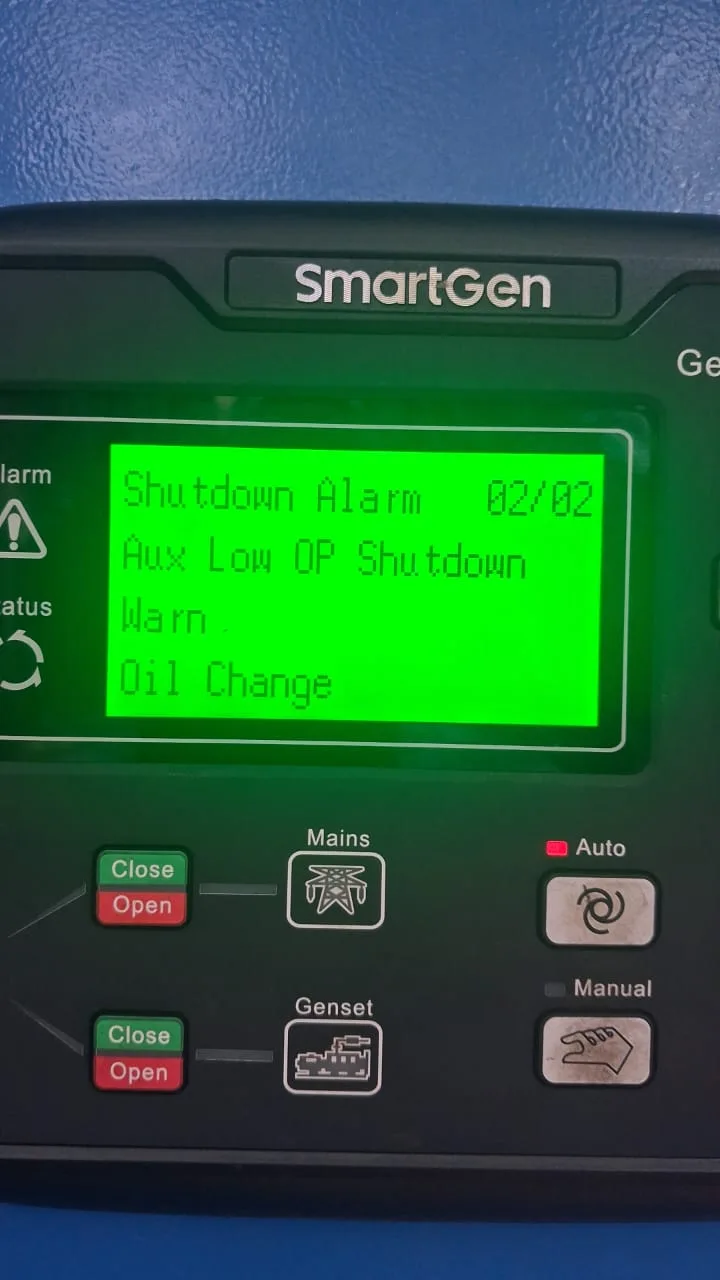
HGM series modules for manual start, automatic start, AMF and engine protection.
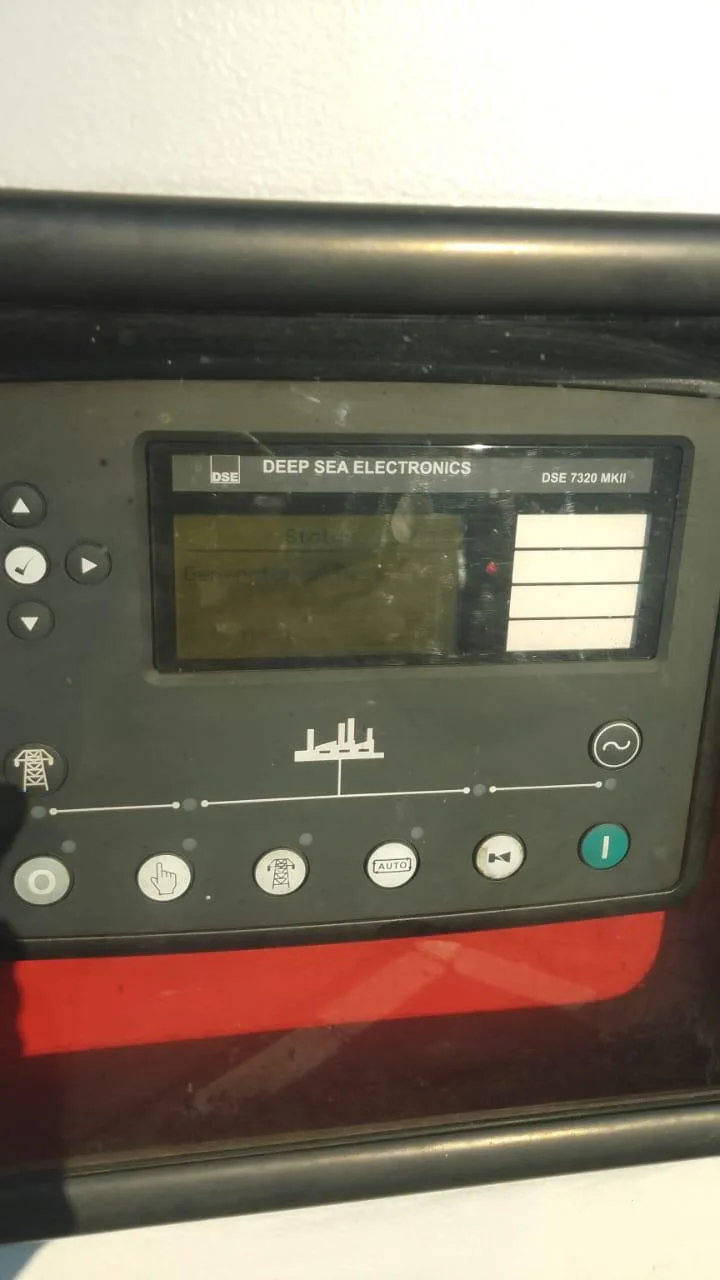
From simple start modules to synchronising controllers, common on standby diesels.
D-series and DKG modules for AMF, alarms, protection and automatic starting.
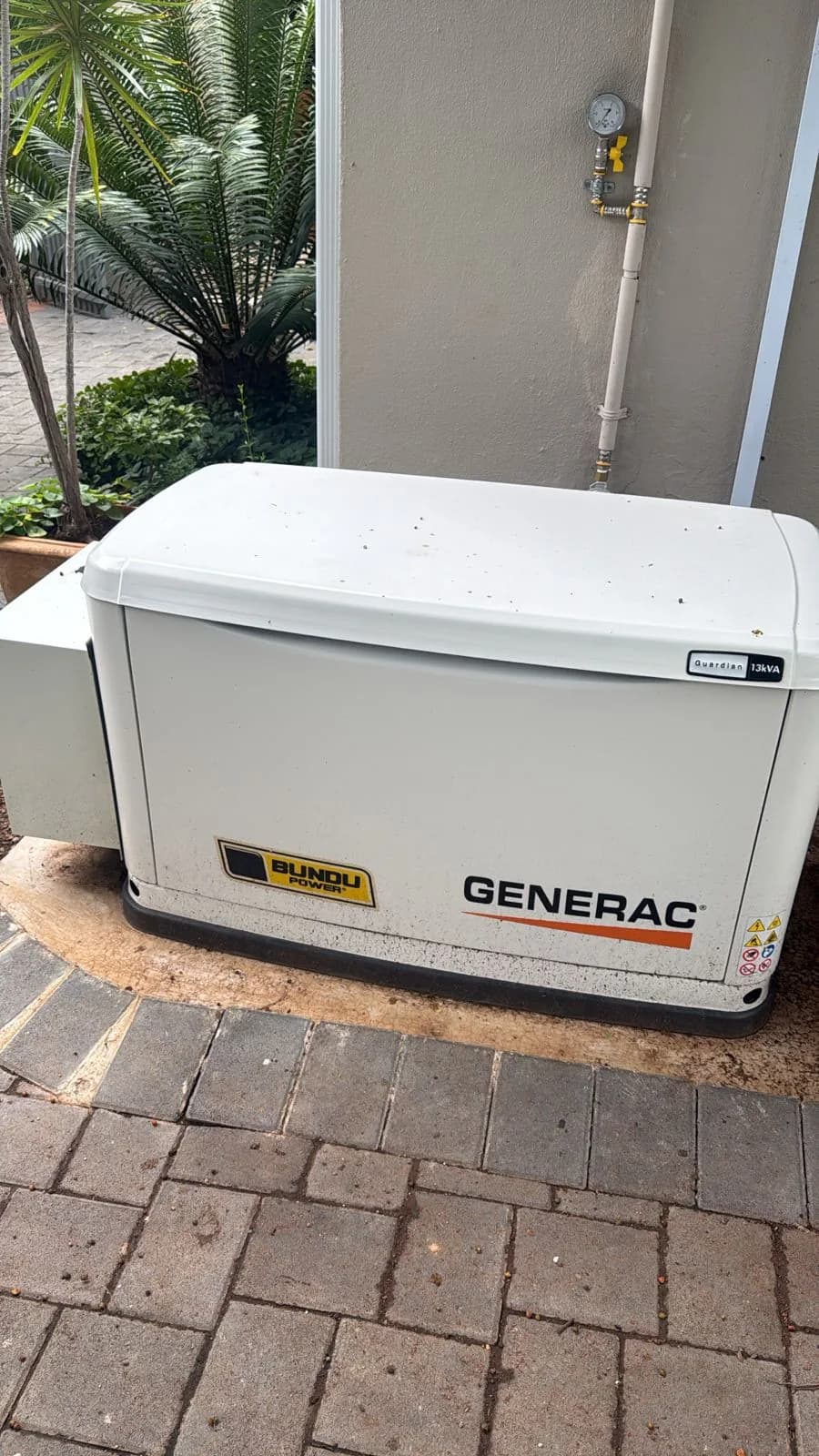
Evolution and Nexus controls on Generac standby generators.
Also on our list
We also work on these modules. Send a photo of yours and we will identify it.
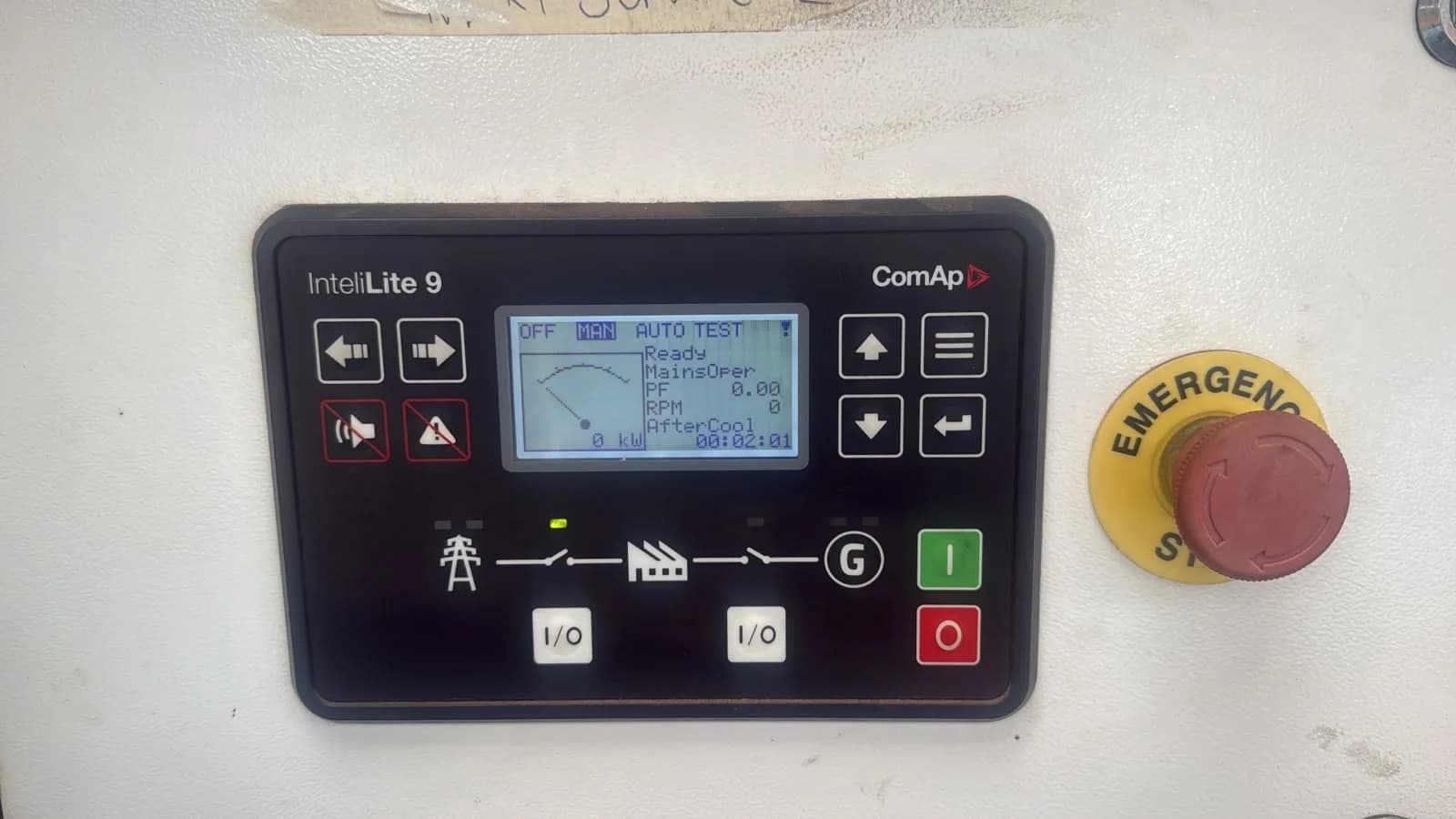
InteliNano, InteliLite and InteliGen controllers.
AGC and SGC genset control modules.
easYgen generator control displays.
PowerCommand and PCC controls on Cummins sets.
EMCP displays on Caterpillar generator sets.
PowerWizard modules on FG Wilson sets.
RDC and DC-type controls on Kohler standby sets.
RGK generator controller modules.
Generator and AMF control modules.
SmartGen controllers handle manual and automatic starting, AMF, engine and generator monitoring, alarms and protection, and CAN or J1939 engine communication on models that support it.
The SmartGen models we meet most often include:
When a SmartGen module is damaged or no longer supported, we fit a compatible replacement or upgrade and set it up for your engine.
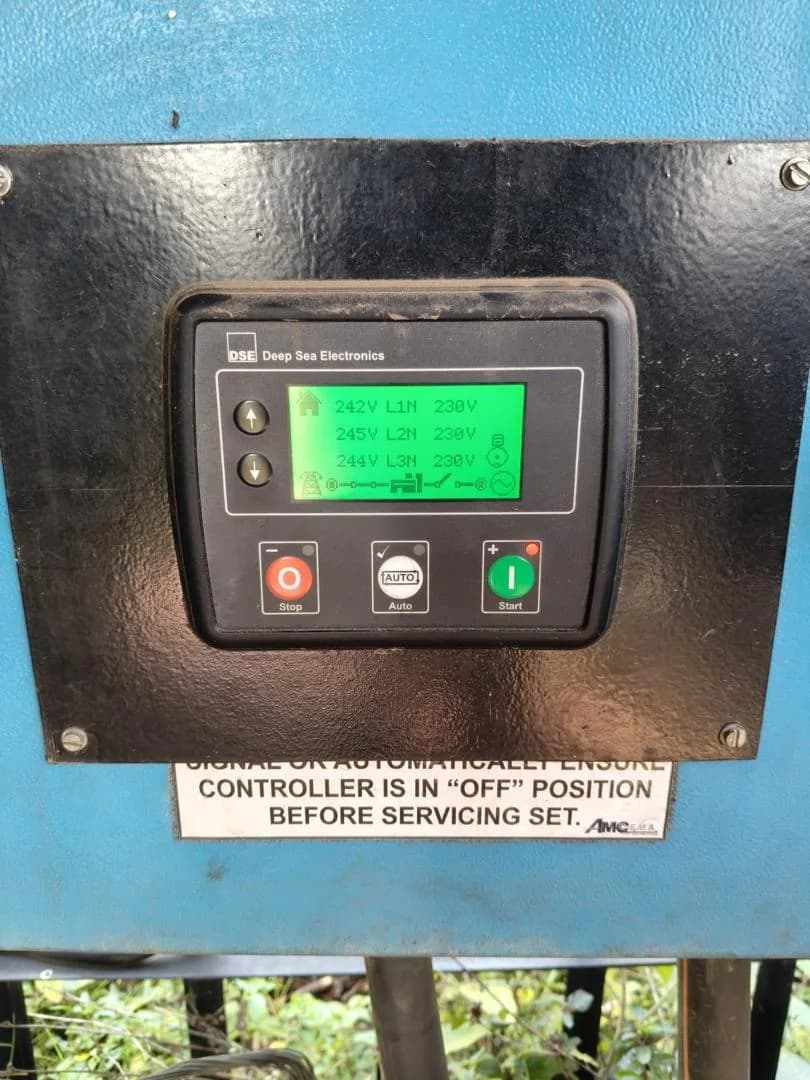
DSE controllers handle monitoring, automatic start, AMF and protection, from simple start modules to synchronising controllers. We start every DSE job by reading the alarm on the display and checking the wiring around the module.
The DSE units we meet most often include:
We also assess older DSE generations for repair, replacement or an upgrade. Send a photo of the module fitted to your set. Our Deep Sea controller repairs page explains the difference between auto start and auto mains failure modules, and the AMF sequence step by step.
Datakom controllers cover generator monitoring, AMF, engine protection and automatic starting. We see the D-series and DKG modules most often, including the D-100, D-200, D-300, D-500, D-500 Lite, DKG-307, DKG-527, DKG-537, DKG-547 and DKG-557.
When an older Datakom module is obsolete or its hardware has failed, we recommend a replacement or upgrade and explain why before we order parts.
Generac standby generators usually carry Generac’s own controller instead of a generic industrial module. We work on Evolution, Evolution 1.0, Evolution 2.0 and Nexus controls, and on older pre-Nexus controls still in service.
The right fix depends on the generator model, the controller generation and its condition, programming access and the replacements available. For the engine side, see Generac gas generator repairs and Generac diesel generator repairs.
These families turn up less often, mainly on larger or imported sets. A clear photo of the module is usually enough for us to identify it.
InteliNano, InteliLite and InteliGen controllers, from small standby sets to larger installations.
AGC and SGC genset controllers.
The easYgen family of generator controls.
PCC and PowerCommand controls on Cummins generator sets. For the engine, see Cummins diesel generator repairs.
EMCP displays on Caterpillar generator sets. For the engine, see Caterpillar diesel generator repairs.
PowerWizard modules on FG Wilson generator sets. For the engine, see FG Wilson diesel generator repairs.
RDC and DC-type controls on Kohler standby generators.
The RGK generator controller family.
Generator and AMF control modules.
Controller work
Each job solves a different problem. A reprogram fixes settings, a replacement fixes failed hardware, and an alarm diagnosis fixes the fault the alarm is reporting.
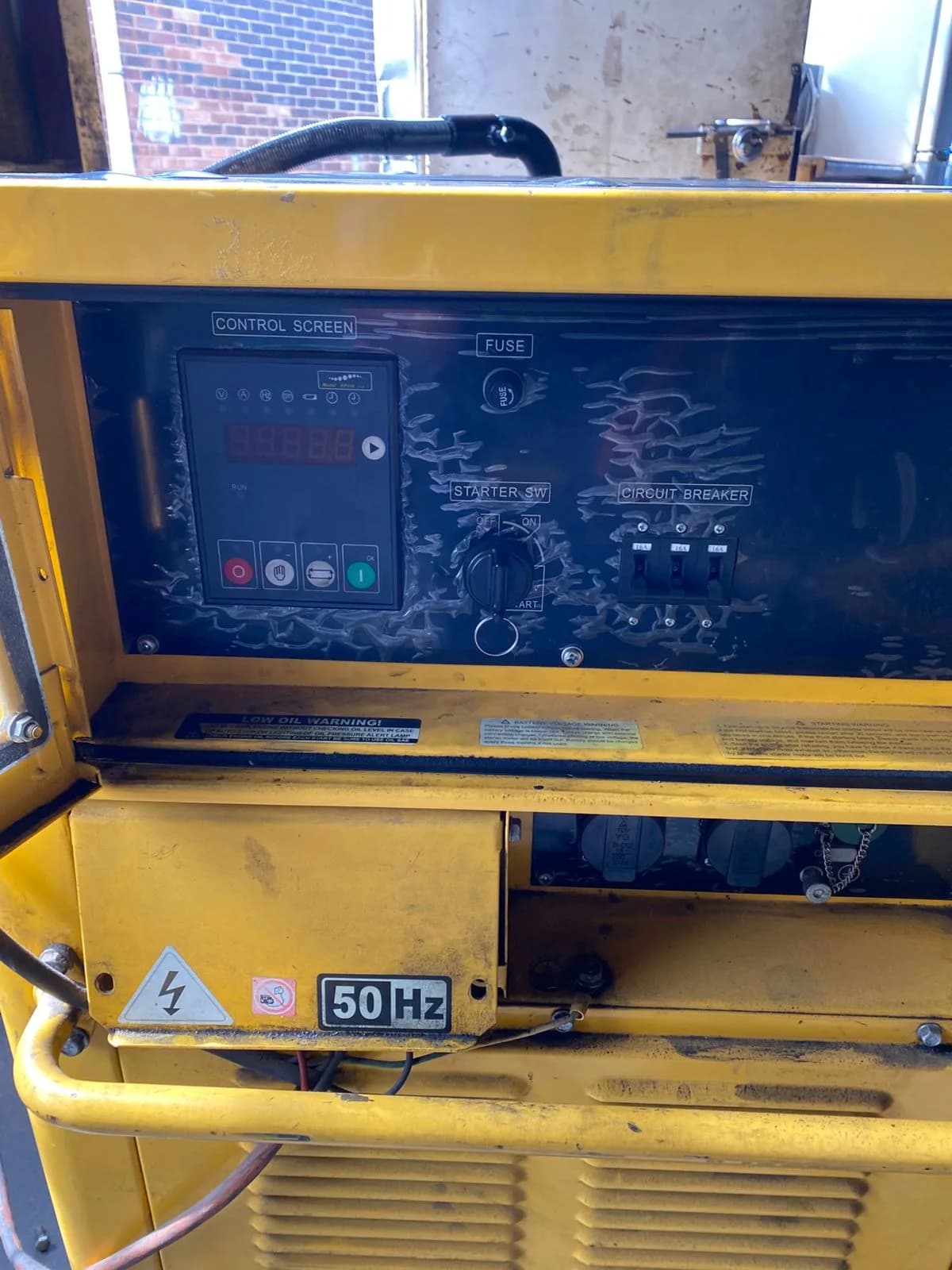
We trace the alarm, the blank screen or the failed start to its cause before we condemn the module.
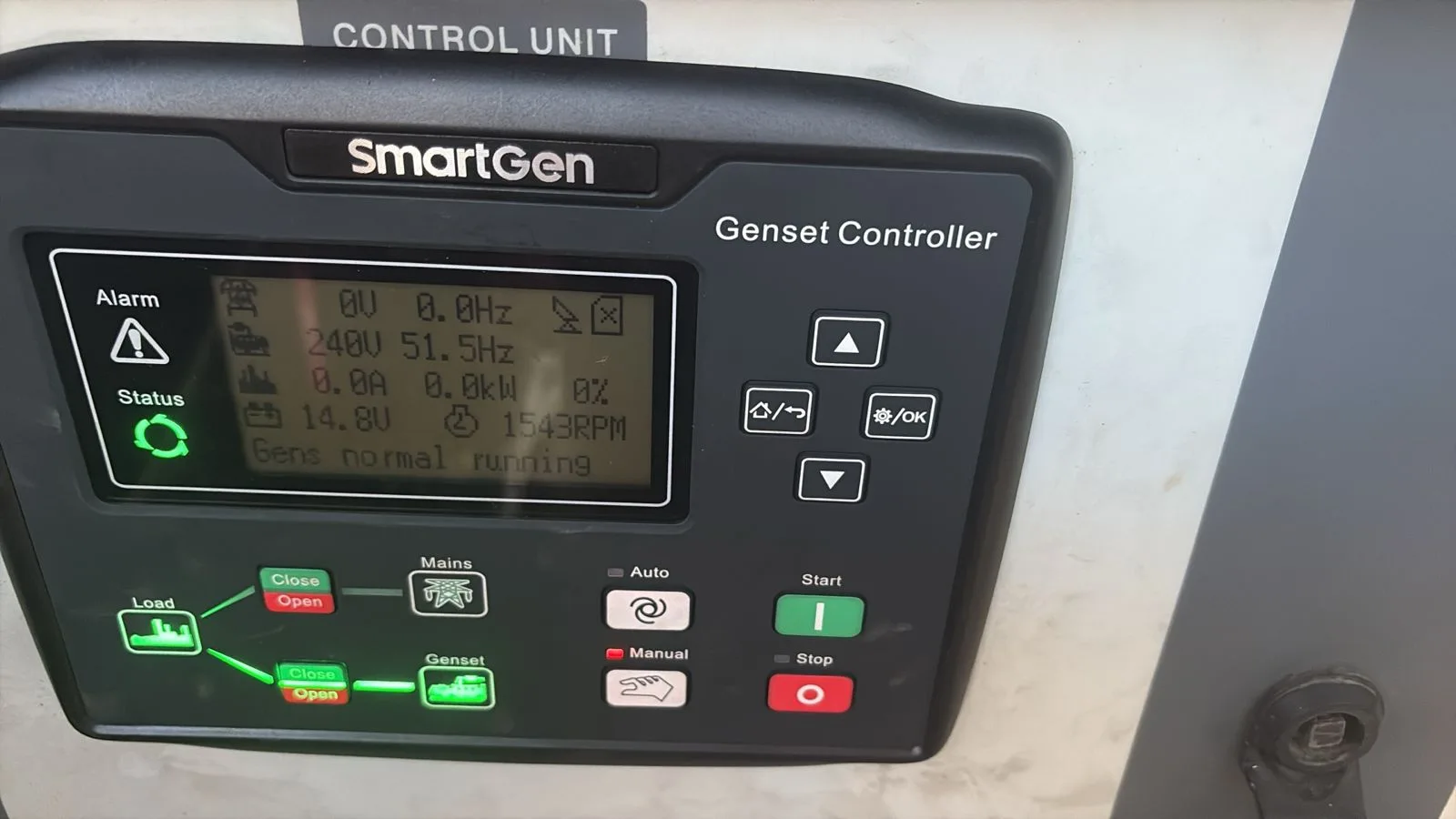
We check the power, wiring, inputs and connections, and repair the module when it can still be saved.
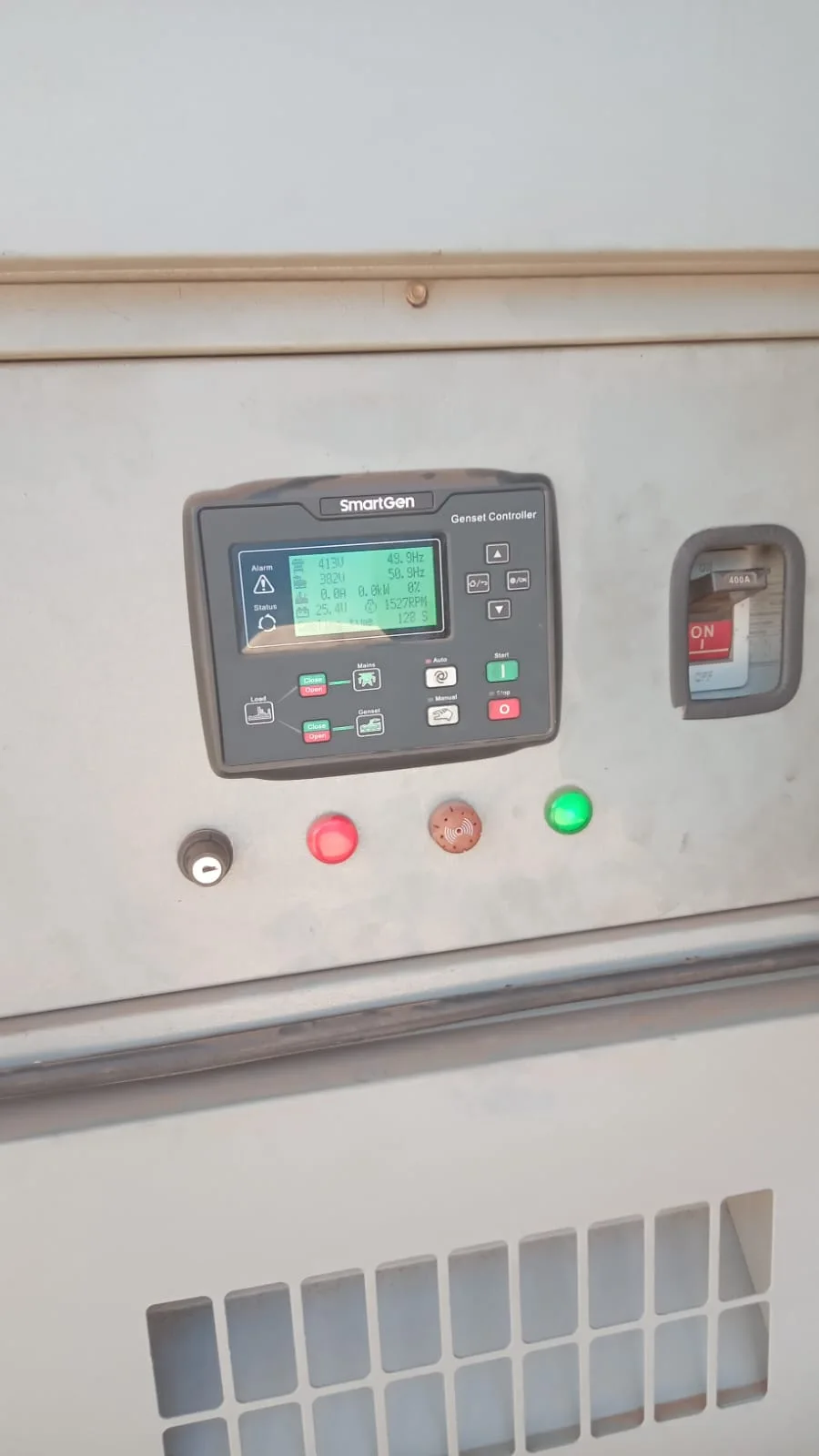
We fit a compatible replacement for a damaged, obsolete or uneconomical module.
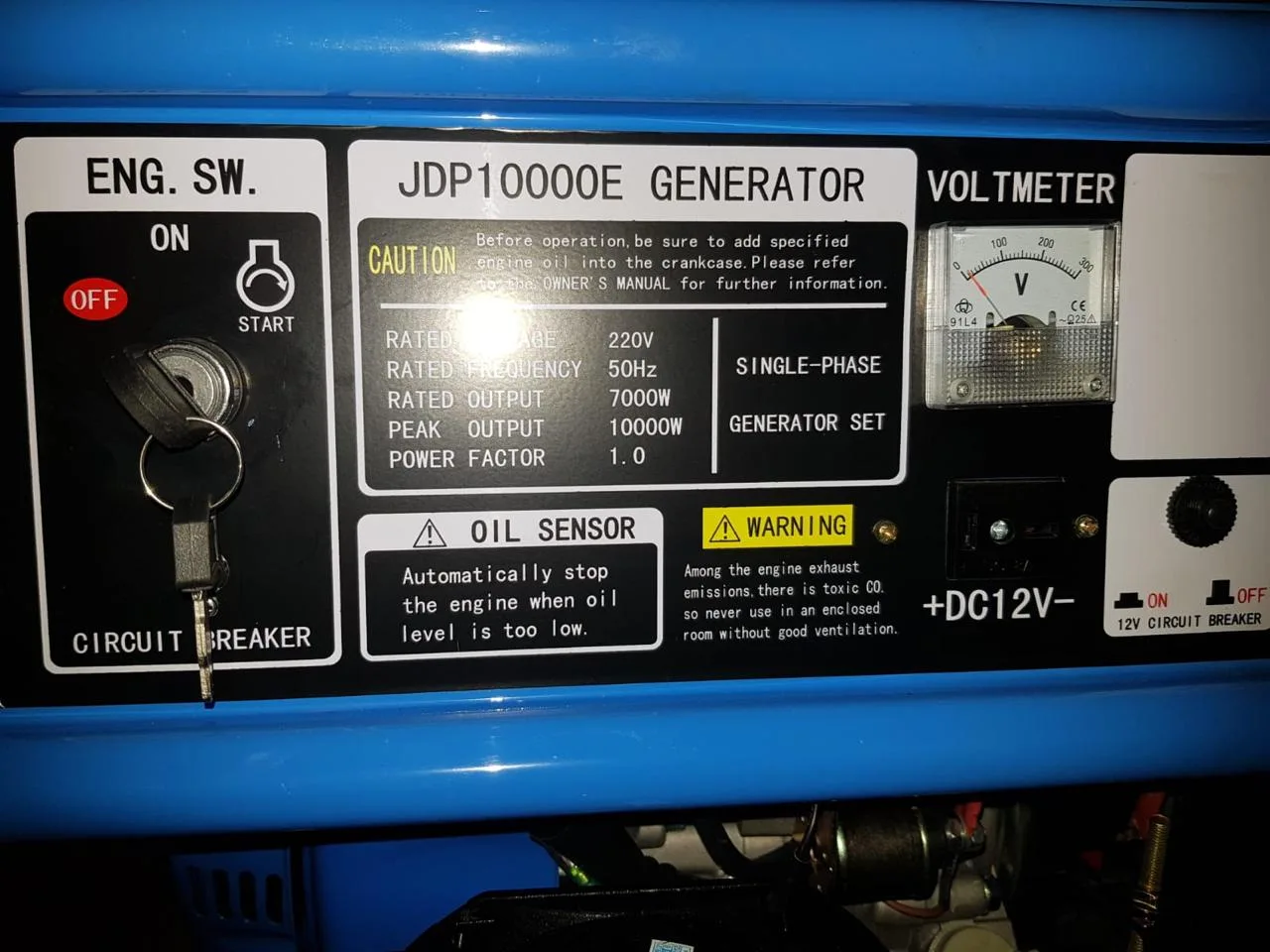
We rewrite the settings with the maker’s software where the model and the access allow it.
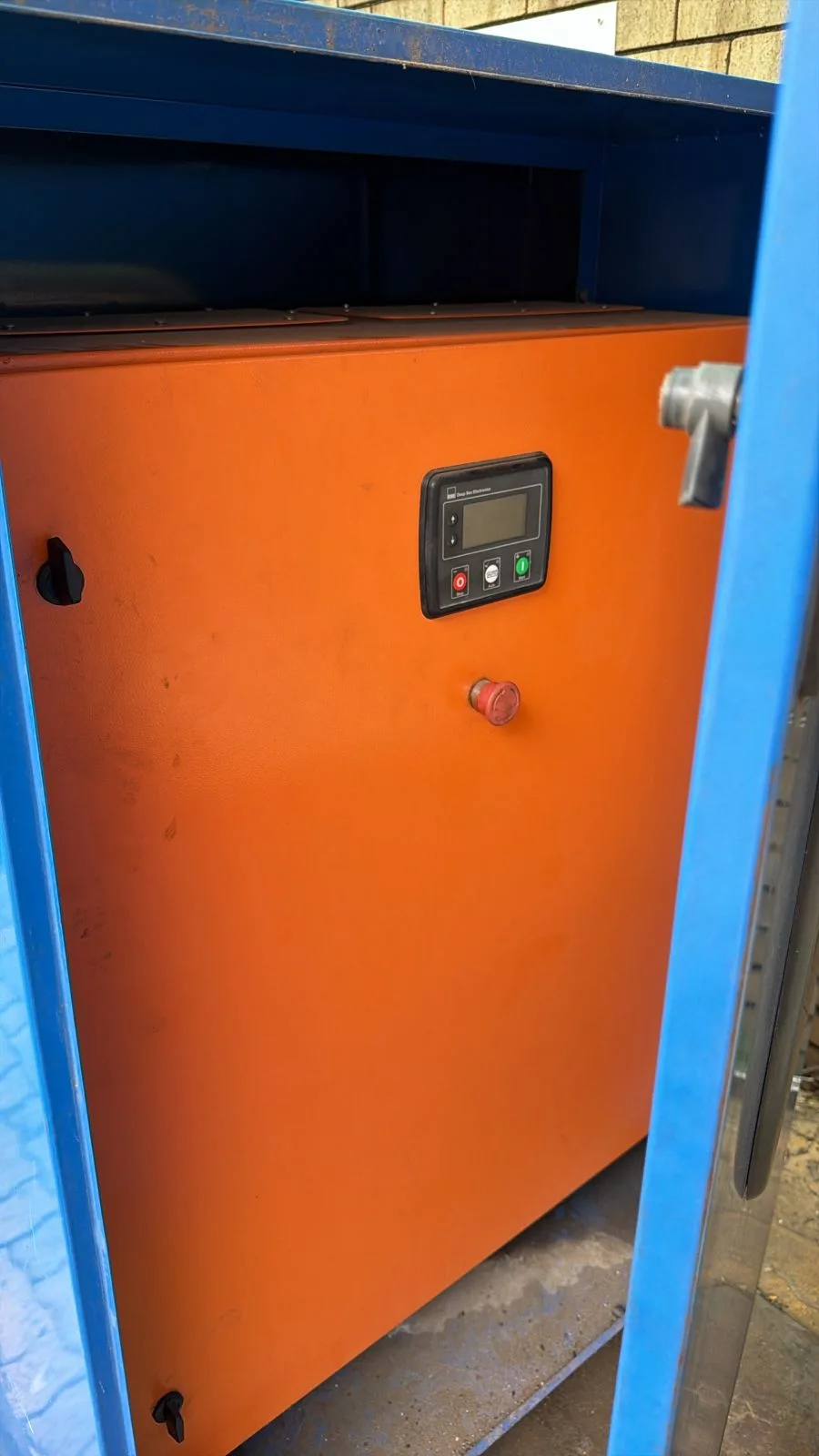
We set the sensors, alarms, inputs and automatic start for the generator the module controls.
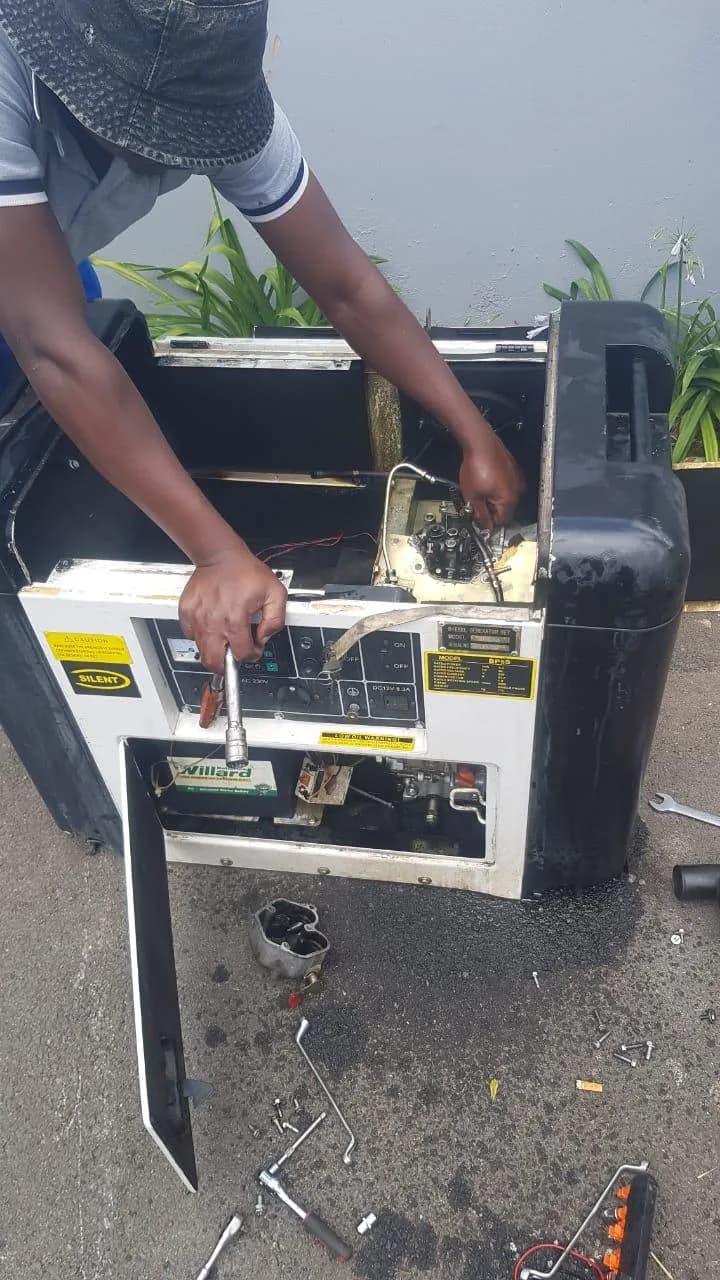
We fit a newer module into an older panel once we have confirmed it is compatible.
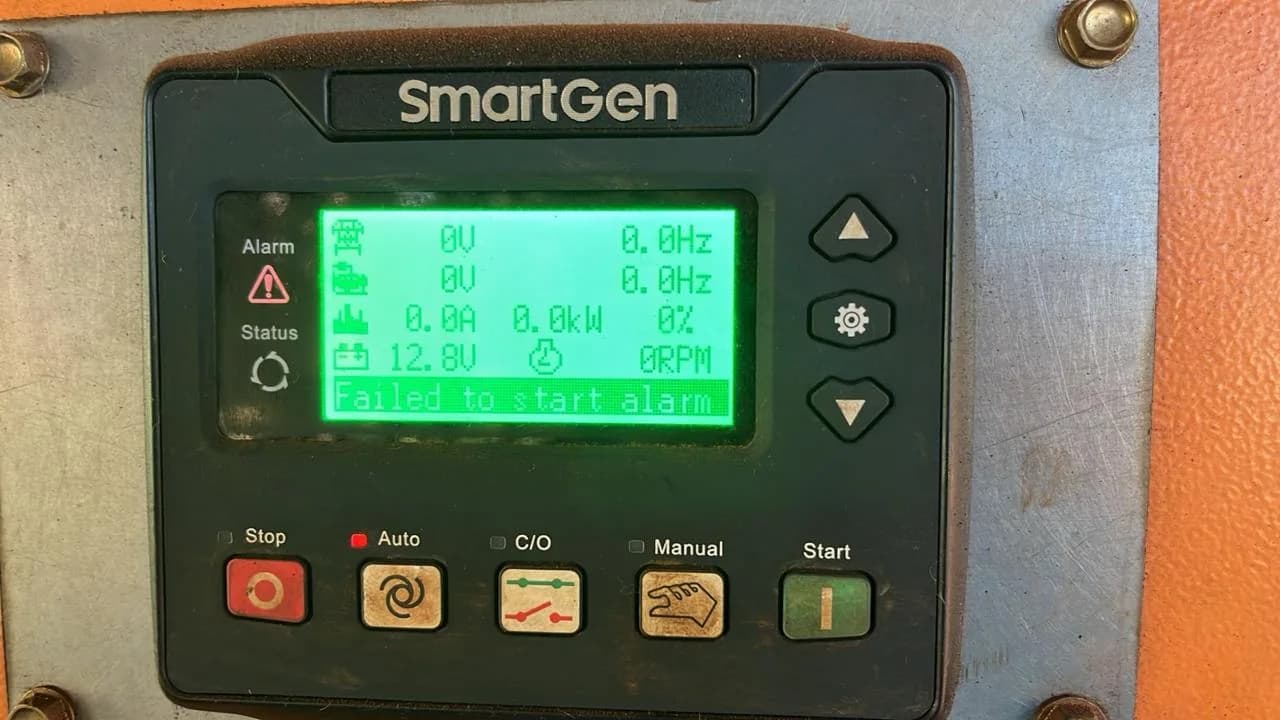
We record the alarm and fix its cause, so it stays cleared.
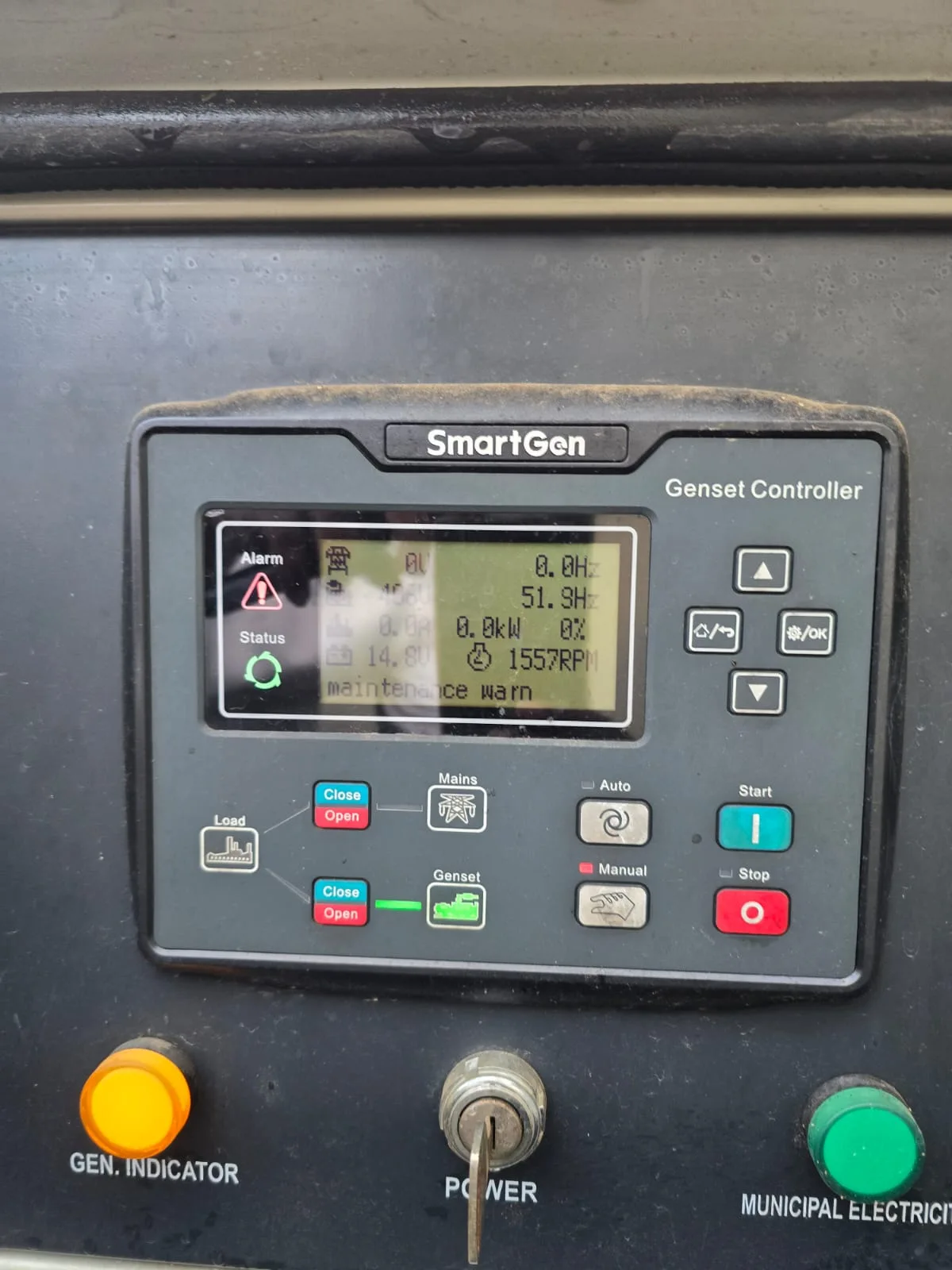
We configure automatic mains-failure starting on controllers that support it.
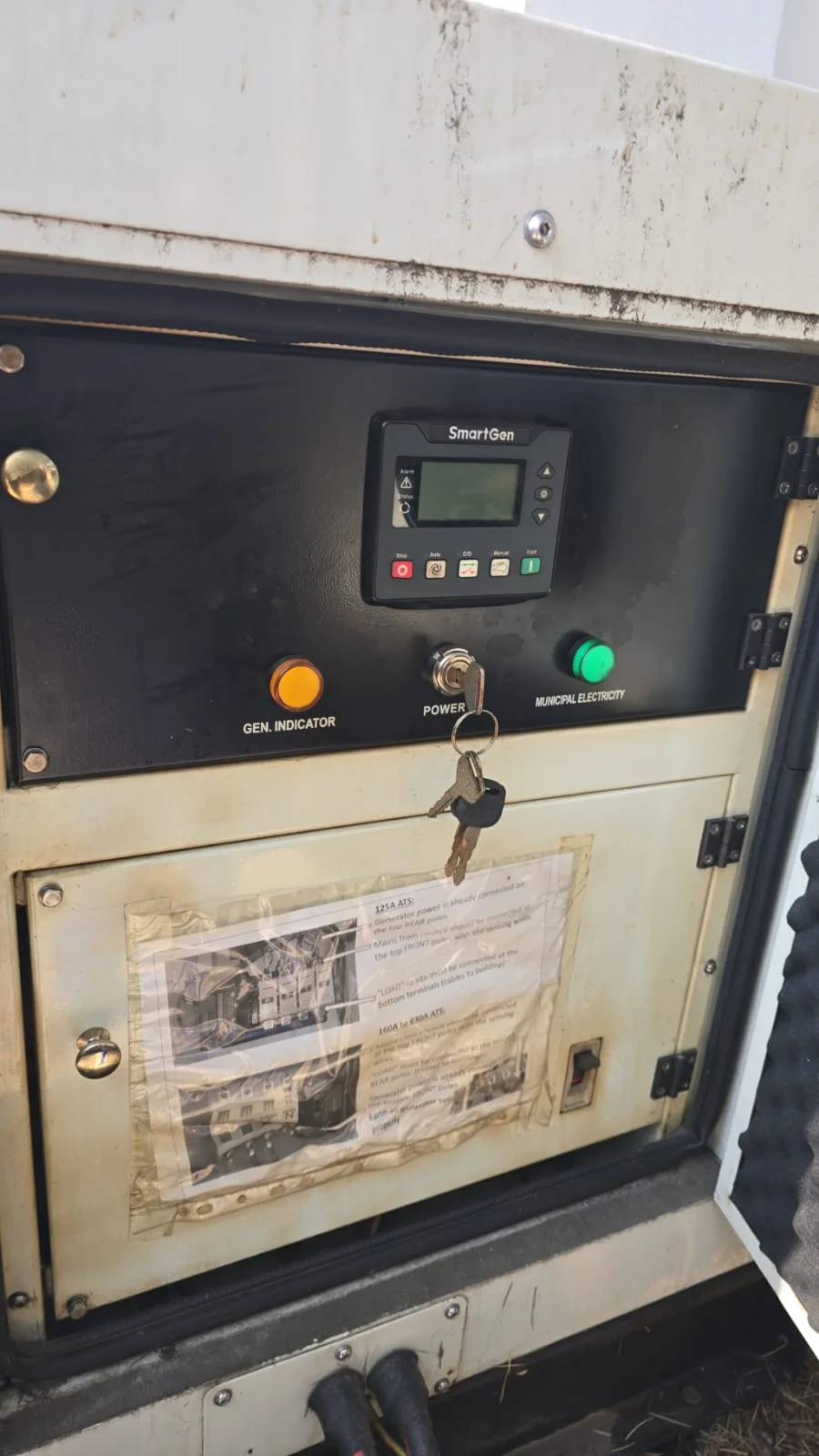
We test the controller and the transfer switch as one sequence, from mains failure to load transfer.
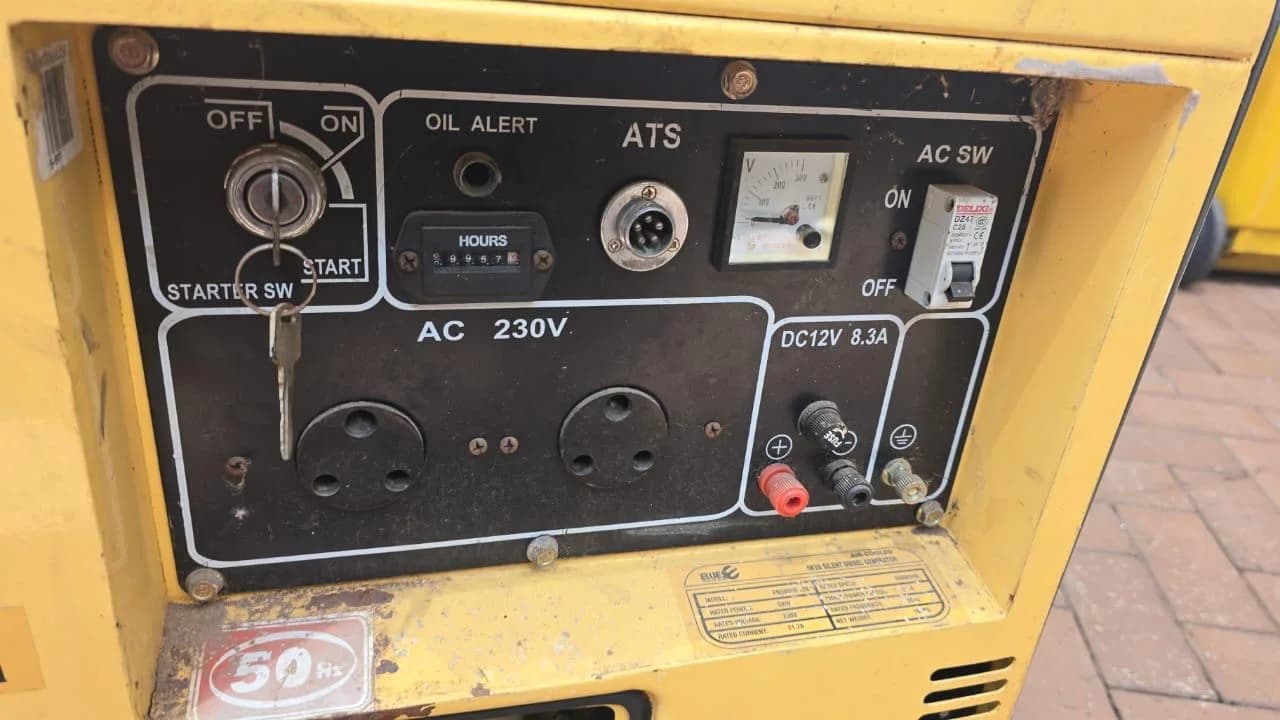
We set up engine communication on controllers and engines that use CAN or J1939.
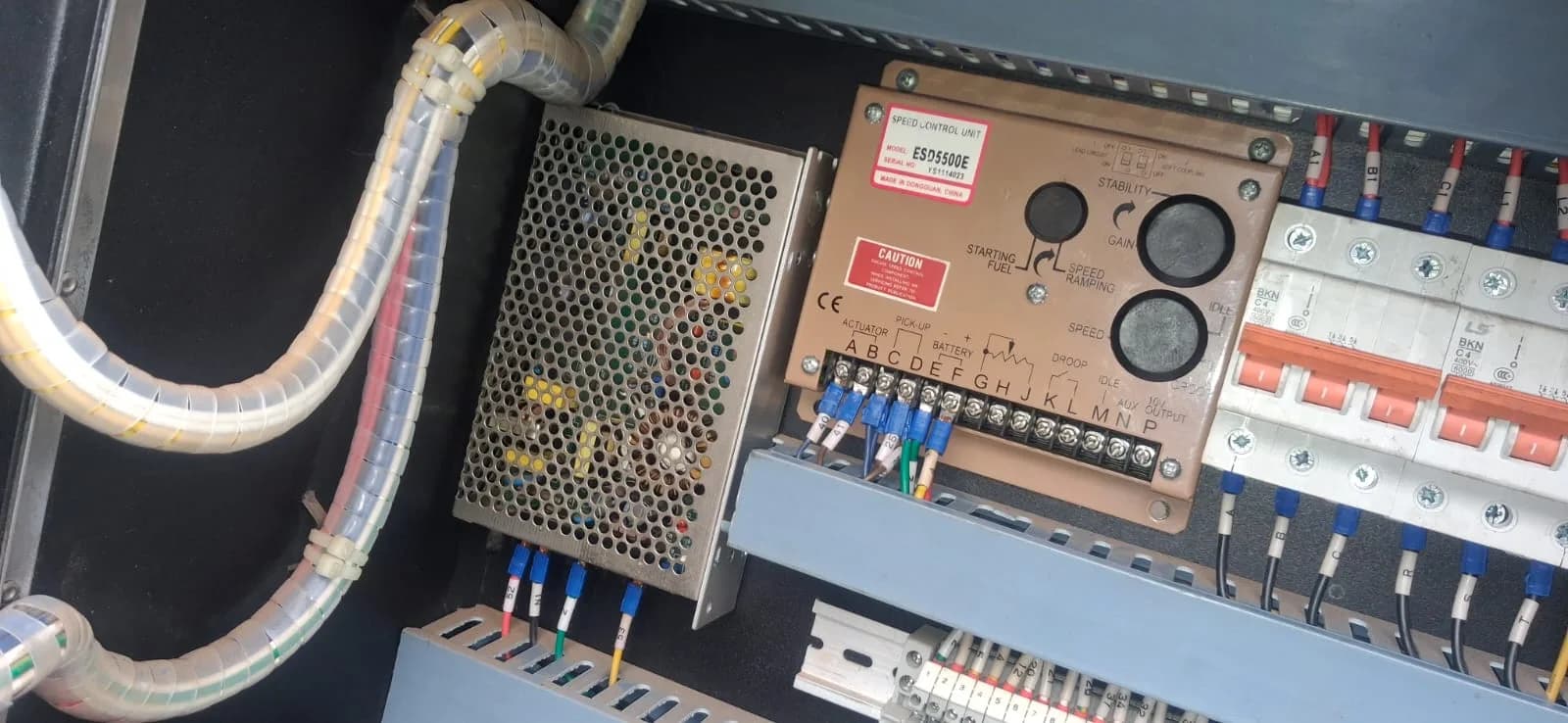
After setup, we watch the start, the alarms and the transfer work under real conditions.
We reset the service timer once the service it calls for has been done.
Reprogramming suits a module that powers up and responds but has wrong or lost settings. Repair suits a module let down by its supply, wiring or connections. Replacement suits a module that is burnt, obsolete or will not hold its configuration.
We test before we recommend any of the three. Our generator controller repairs service covers the module itself, and our control panel repairs service covers the relays, breakers and wiring around it. Control panel repair or reprogramming typically costs R3,500 to R14,000.
Send what you can before the visit. It helps us identify the module and bring the right tools.
With that, we can tell you whether the visit is likely to be a diagnosis, a reprogram or a replacement before we arrive.
Common Questions
It monitors the engine and the alternator, shows alarms, and starts or stops the generator. An AMF controller also starts the set automatically when the mains fails.
Each alarm names the condition the controller saw, such as low oil pressure, high coolant temperature, fail to start or low voltage. It tells us where to test first, not which part to replace.
A warning lets the generator keep running and asks for attention. A shutdown stops the engine to protect it, and the cause needs checking before the set runs again.
On J1939 engines the ECU reports a fault as an SPN, which names the part or reading, and an FMI, which describes how it failed. Photograph both numbers and send them to us.
Deep Sea Electronics (DSE), SmartGen, Datakom, ComAp and Generac most often, plus DEIF, Woodward, Cummins PowerCommand, Caterpillar EMCP, FG Wilson PowerWizard, Kohler, Lovato and Kutai modules.
Only once the cause is fixed. Clearing a low oil pressure or high temperature shutdown and restarting can wreck the engine. Photograph the alarm and call us if it comes back.
Automatic starting needs the controller in auto mode, working mains sensing, a charged battery and, where fitted, a start signal from the ATS. Any of those can fail while the manual start still works.
Control panel repair or reprogramming typically costs R3,500 to R14,000, depending on whether the module needs new settings, a repair or a replacement. You get a free written quote first.
Still unsure what the fault is? Call or WhatsApp 082 057 4605 for onsite diagnosis.
Related Pages
These details help us plan the visit and bring the right parts. Send what you can on WhatsApp; if you can’t find the model number, we still book the visit.
Free written quote
Send a photo of the controller screen and any alarm. We tell you what it means and whether the module needs repair, reprogramming or replacement.
What happens next
Charlie, lead technician: Degree in Mechanical Engineering, Degree in Electrical Engineering, Diesel Plant Fitter. Generator specialists since 2000.