
Updated
Phase
Single-Phase vs Three-Phase Generators
A single-phase generator supplies one phase, typically at 230 V, and suits most homes and small shops; a three-phase generator supplies three phases, typically at 400 V between phases, and suits larger commercial boards, lifts and big motors. Your data plate states the phase, and your building’s supply decides which one you need.
Callout fee waived when you accept our written quote. 1-year workmanship guarantee. See prices
- Match the generator to the board
- The data plate states the phase
- Three-phase load kept in balance
- Onsite across Gauteng
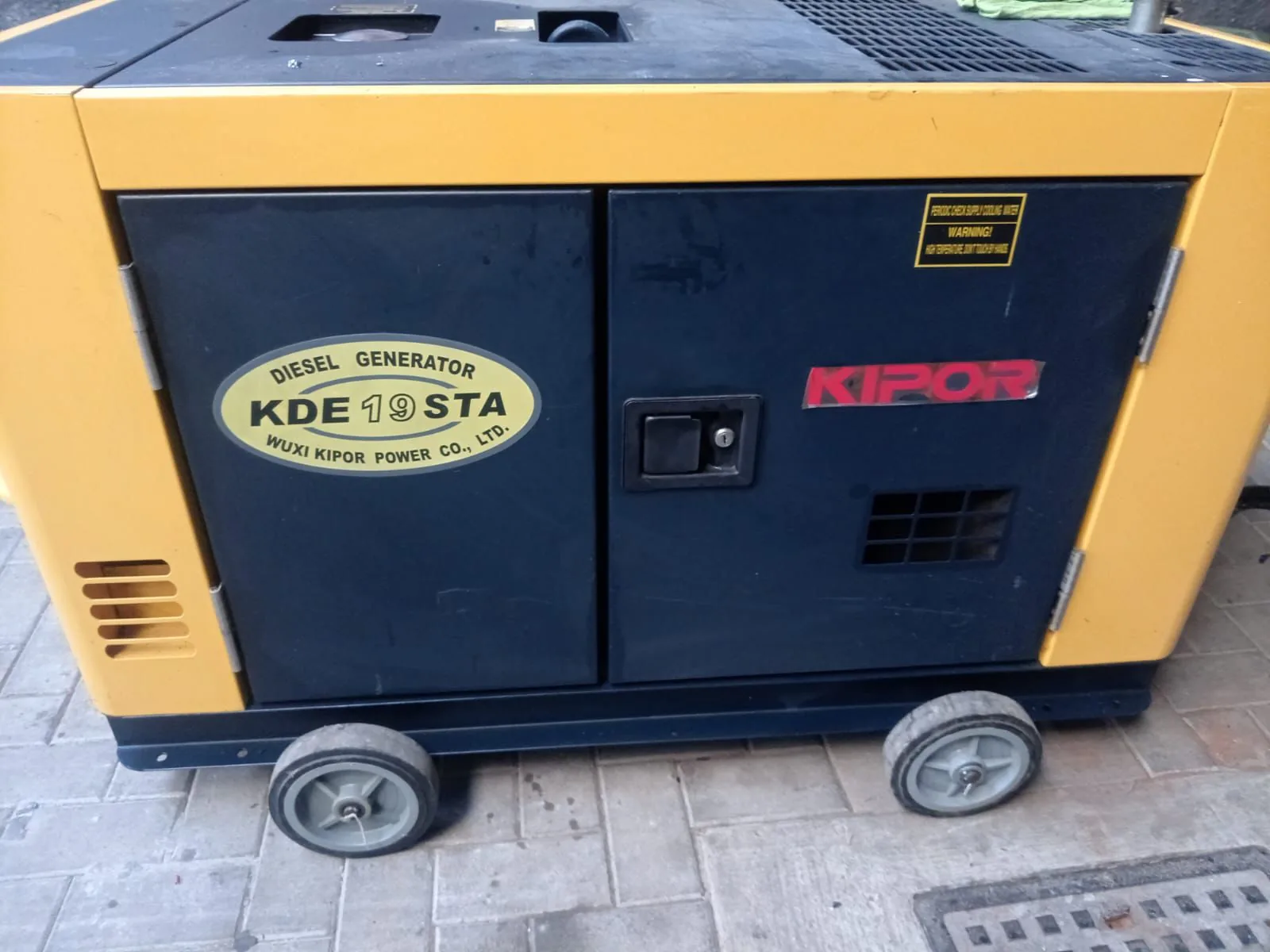
One supply or three
How do single-phase and three-phase differ?
Single-phase power is one live supply measured against neutral, the kind most houses and small shops use. Three-phase power is three live supplies, offset from each other. Motors and larger boards use it because power delivery is smoother and each conductor carries less current for the same power.
A house standby set is usually single-phase. Offices, warehouses and factories are often three-phase, with single-phase circuits taken off the same board. The generator has to match the board: if your building is three-phase, a single-phase generator cannot replace the whole supply.
A three-phase generator can feed single-phase loads, but only within the limit of each phase. Put the whole building on one phase and that winding overloads while the other two sit lightly loaded. Spreading the load is electrical design work, which we plan with you rather than improvise in the canopy.
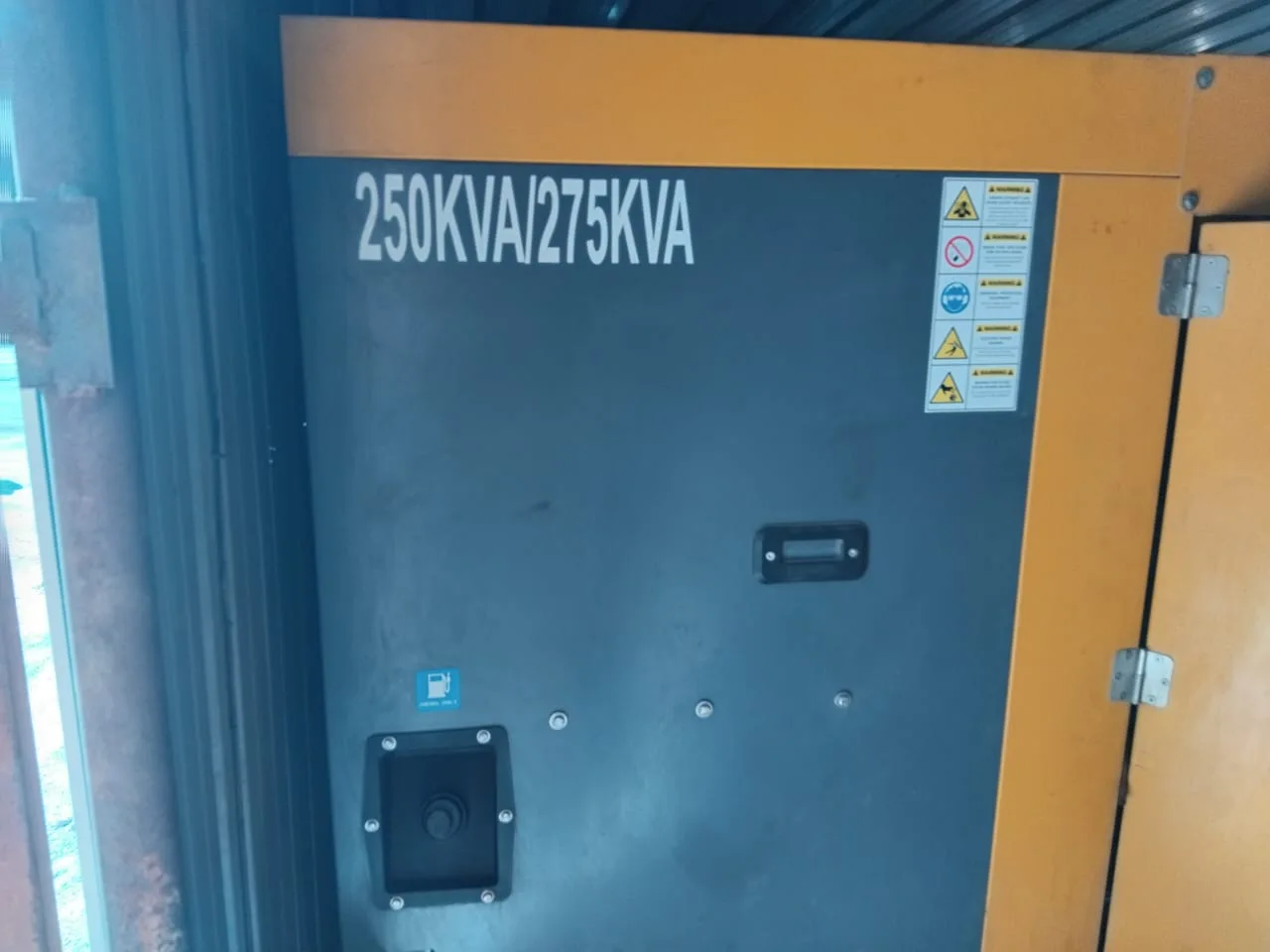
Sites and motors
Where each type is used
Residential applications
Most homes are single-phase, so a house generator is sized and connected for that supply. A three-phase set only suits a house whose installation is designed for it.
Commercial applications
Shops and offices may be either. Lifts, air conditioning and several distribution boards usually mean three-phase. We handle those sets as commercial generator repairs.
Industrial applications
Larger plant is commonly three-phase, with heavy motor loads and higher kVA. We read the phase from the plate before we plan the visit.
Three-phase load balance
The three phases should share the load. One heavily loaded phase can trip or overheat a generator that is still well under its total kVA.
Motor loads
Many larger motors are three-phase and draw a high current as they start. Running kilowatts understate that moment, so phase and starting current both go into sizing.
How to identify the phase
Read the data plate: it may say 1-phase or 3-phase, or show 230 V or 400 V. Send us a photo rather than opening a live board to count cables.
Worked example: how much each phase can carry
At the typical generator power factor of 0.8, kW = kVA × 0.8. On a three-phase set, a balanced load shares that total equally across the three phases.
| Generator | Total at 0.8 power factor | Available per phase | What happens with 12 kW on one phase |
|---|---|---|---|
| 10 kVA single-phase | 8 kW | 8 kW on its one phase | Overloaded: 12 kW is more than the 8 kW rating |
| 30 kVA three-phase | 24 kW | 8 kW per phase | That phase overloads, even though the set carries only half its total rating |
| 60 kVA three-phase | 48 kW | 16 kW per phase | Within the phase limit, but the load is unbalanced; spread it across phases |
Arithmetic: total kW = kVA × 0.8; per phase = total ÷ 3. To size a set from your appliances, use our generator size calculator.
Single-phase and three-phase compared
A plain comparison of the two supplies. The voltages are the typical 230/400 V low-voltage system; your plate and your supply give the figures for your site.
| Topic | Single-phase | Three-phase |
|---|---|---|
| Supply | One live supply and neutral | Three live supplies, offset from each other, usually with neutral |
| Typical voltage | 230 V | 400 V between phases, 230 V from each phase to neutral |
| Typical sites | Houses and small shops | Larger commercial and industrial boards |
| Motors | Small motors | Larger motors, with high starting current |
| Using the rating | The whole rating is on one phase | The rating is shared across three phases |
Voltage source: IEC 60038 standard voltages (Wikipedia summary).
Related Pages
Sizes, the plate and site types
Common Questions
Questions about generator phase
What is the difference between single-phase and three-phase generators?
A single-phase generator supplies one phase, typically at 230 V, for homes and small shops. A three-phase generator supplies three phases, typically at 400 V between phases, for larger boards and motors. Your data plate states the phase.
What is a single-phase generator?
A set that produces one alternating supply, typically at 230 V, for a house or a small single-phase board.
What is a three-phase generator?
A set that produces three alternating supplies for a three-phase system, typically 400 V between phases. Larger commercial and industrial sites often need one.
Can a three-phase generator run single-phase equipment?
Yes, within the limit of each phase. A balanced 30 kVA three-phase set has 8 kW per phase at 0.8 power factor, so the single-phase loads must be spread across the phases.
Can I rewire a single-phase generator to three-phase?
No. Phase is built into the alternator and the board. Changing it means a different generator or a redesigned installation, which we plan with your electrician.
How do I tell which I have?
Read the data plate for 1-phase or 3-phase, or for the voltage. Send us a photo of the plate rather than opening the board.
Does phase change the kVA I need?
The kVA still has to cover the load, and on three-phase it has to cover each phase. Balance and motor starting current sit beside the total.
My lights are single-phase but the shop is three-phase. Which generator?
The generator has to suit the incoming supply and the board, so a three-phase shop needs a three-phase set. A single-phase set cannot replace a three-phase board.
Still unsure what the fault is? Call or WhatsApp 082 057 4605 for onsite diagnosis.
Service Areas
Onsite visits across Gauteng
We come to your generator anywhere in Gauteng, 24/7. Choose your region for local suburbs, call-out details and the faults we see most there.
What to send before we attend
These details help us plan the visit and bring the right parts. Send what you can on WhatsApp; if you can’t find the model number, we still book the visit.
- Location
- The suburb or site, so the visit can be booked in the right area.
- Make and model
- The generator brand and model, if they are known.
- kVA
- The size printed on the data plate.
- Fuel type
- Diesel, petrol, LPG, natural gas, or dual-fuel.
- Controller model
- The module name on the panel, when it is visible.
- Fault or alarm
- What the set does, and any text on the screen.
- Photos
- The generator, the data plate, and the controller or alarm. Send these on WhatsApp.
Book a Visit
Send the plate, not a cable count
A photo showing the phase or voltage is enough. Tell us whether the building is a house, a shop or a factory.
- Call
- 082 057 4605
- Message us on WhatsApp
What happens next
- We reply with questions about the generator, or to book a visit.
- A technician comes to you. For a breakdown we arrive within 1 hour.
- The fault is diagnosed on site and you get a written quote. No work starts until you accept it.
Charlie, lead technician: Degree in Mechanical Engineering, Degree in Electrical Engineering, Diesel Plant Fitter. Generator specialists since 2000.